
Does a Hybrid Inverter Consume Power When Idle or Turned Off?
In this article, we explain what standby power in a hybrid inverter actually means, when it becomes significant, and how to determine whether turning the system off—or using a low-power mode—is the more energy-efficient option.
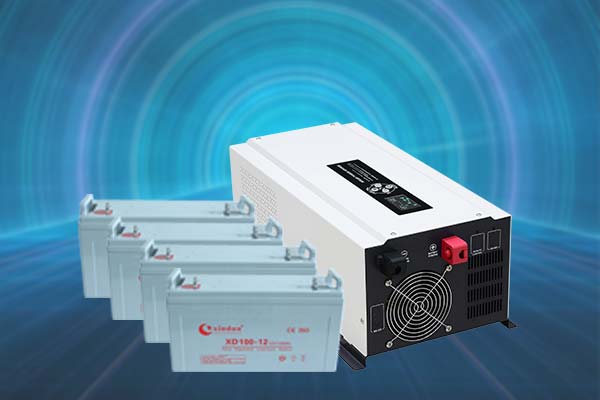
Yes, switching off a hybrid inverter when it is not in use can help reduce energy consumption, as the system still draws a small amount of standby power even when idle. This is particularly relevant in scenarios where the system remains unused for extended periods, such as during vacations, or in RV and off-grid applications where battery capacity is limited. The actual energy savings depend on the inverter’s standby consumption level, the duration it remains powered off, and the overall size of the battery or system configuration.
What"Standby Power"Means for a Hybrid Inverter
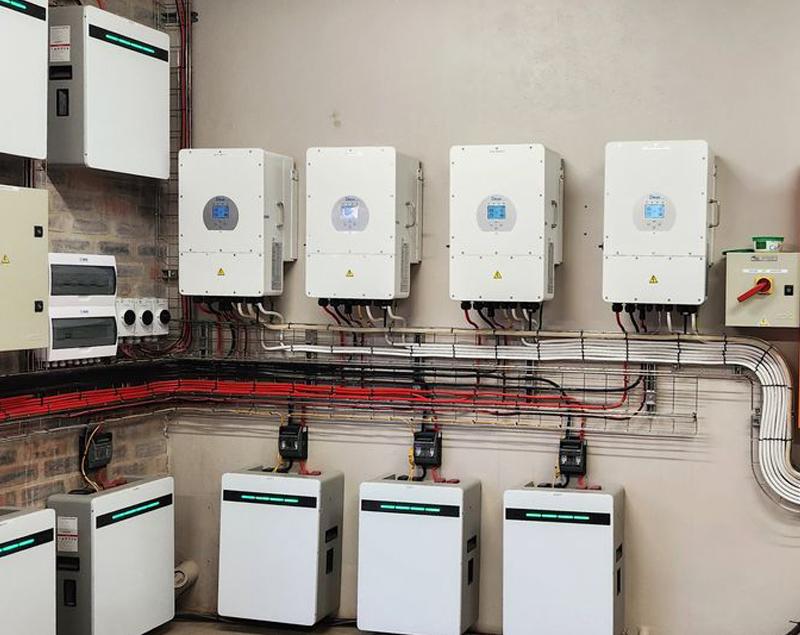
Standby power in a hybrid inverter refers to the small, continuous amount of energy the system consumes even when it is not actively supplying power to connected loads. This energy is required to maintain essential internal functions, including the control system, monitoring and communication modules, and key switching components, ensuring the inverter can respond instantly when power is needed.
In technical specifications, this is also commonly referred to as no-load consumption, idle power consumption, or standby energy usage. The actual standby power varies depending on the inverter model and capacity—smaller hybrid inverters typically consume around 5–10W, while larger, high-capacity systems may draw several tens of watts or more during idle operation.
Why Turning Off a Hybrid Solar Inverter Saves Power
A hybrid solar inverter may appear to be “idle” when no appliances are connected or running, but it is not completely powered down. Even in this state, the system continues to draw standby power to maintain essential internal operations.
To remain ready for instant response, the inverter keeps key circuits active, including the control unit, monitoring and communication modules, and internal switching components. This results in a continuous idle power consumption, often referred to as standby consumption in technical specifications.
In practice, this means the inverter is constantly in a “ready state,” which is why it still uses electricity even when no load is present.
The energy savings come from how this small standby power consumption accumulates over time. For example, if a hybrid solar inverter has a standby load of 40W, the daily energy usage can be calculated as 40W × 24 hours ≈ 960Wh, which is roughly 1 kWh per day.
If the system remains powered on but unused for one week, the total idle energy consumption can reach approximately 7 kWh, simply to keep the hybrid inverter in a ready-to-operate state.
What to Consider Before Switching Off a Hybrid Power Inverter
System Impact
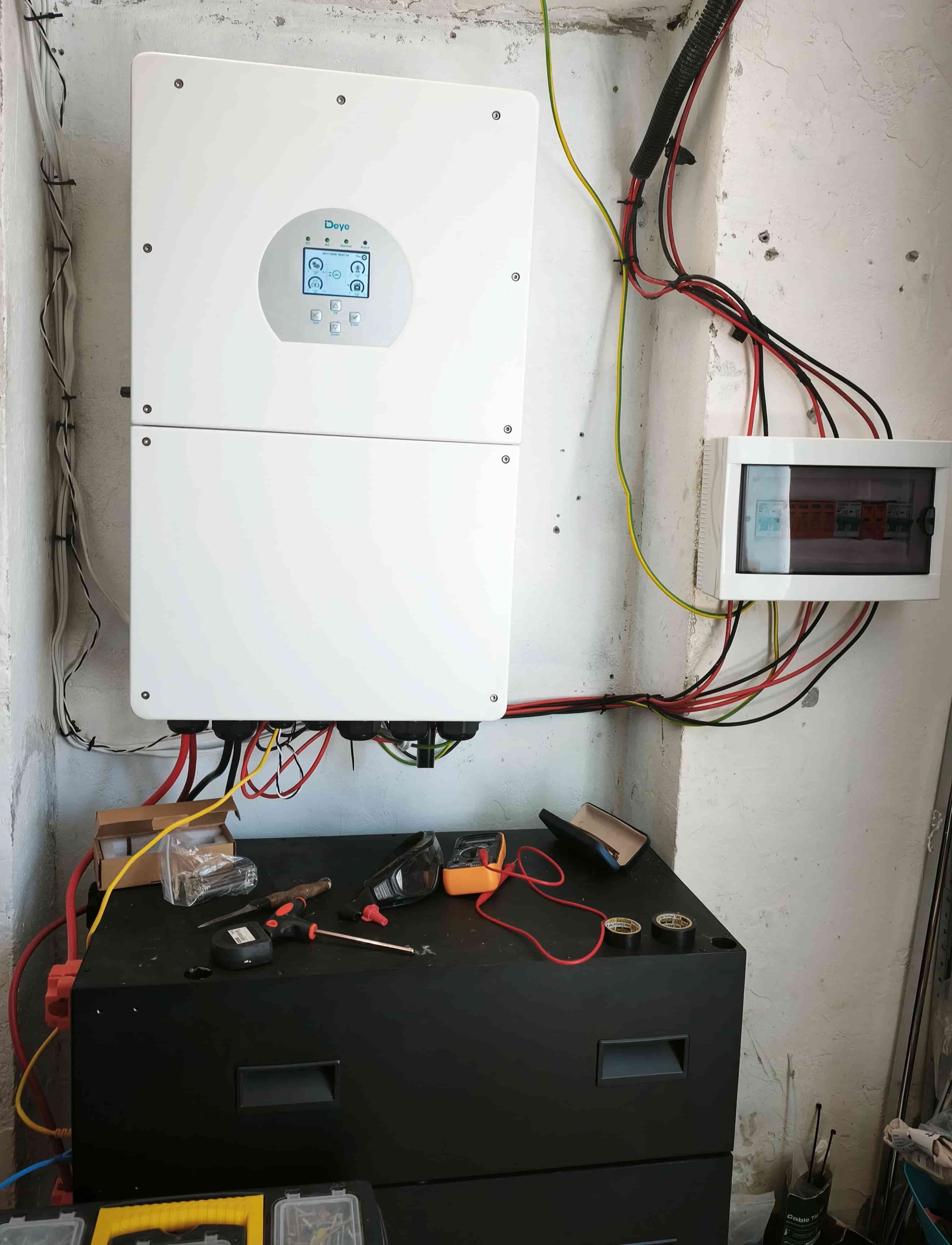
Before turning off a hybrid power inverter, it is important to understand what systems depend on it. Shutting down the inverter may also disable backup circuits, real-time monitoring, and other continuously operating functions such as alarms, routers, smart home hubs, or heating control systems.
Since the inverter typically acts as the central hub of the power system, a full shutdown may cause certain electrical loads to stop unexpectedly unless the electrical wiring and backup or transfer configuration are specifically designed to handle such conditions.
Inverter Size and Configuration
Standby power consumption varies across different hybrid power inverter models, and system configuration can also influence overall energy usage. In general, higher-capacity inverters may have slightly higher baseline consumption.
To accurately understand your system’s idle power consumption, it is recommended to refer to the product manual, inverter display, or monitoring application rather than relying on estimates.
Manual Off vs. Eco/Sleep Modes
If your hybrid power inverter supports eco mode, sleep mode, or zero-load mode, these options are typically more efficient than completely switching the system off.
These modes help reduce standby energy consumption while keeping essential monitoring and communication functions active. This allows the system to maintain responsiveness and operational readiness without the interruptions or risks associated with a full shutdown.
Practical Recommendations for Your Hybrid Inverter
Step 1 — Identify the baseline standby consumption of your hybrid inverter
Instead of estimating, it is important to measure the actual baseline power consumption of your hybrid inverter when it is running with no significant loads. This can typically be checked through the inverter display or monitoring application during low-usage periods, such as late at night, when most appliances are turned off.
If your system includes a home energy monitoring device, use it to verify the real-time standby power consumption. This provides an accurate reference point for evaluating whether switching the system off is worthwhile.
Step 2 — Match your operating strategy to downtime duration
The best approach depends on how long the system will remain idle and what functions still need to stay active. For extended downtime—such as travel, seasonal use, or parked RV applications—turning off the hybrid solar inverter or using its lowest-power configuration can help reduce continuous energy consumption.
For short periods of inactivity, keeping the system running is often more practical, especially when the setup relies on backup power readiness, automation functions, or scheduled battery management.
Step 3 — Use low-power or eco modes whenever available
If your hybrid inverter supports eco mode, sleep mode, or other low-power operating modes, these are generally the most efficient options. They help reduce standby energy consumption while keeping essential monitoring and system responsiveness active.
This approach improves overall energy efficiency without requiring frequent manual switching between on and off states, making it more suitable for daily operational stability.
Conclusion
Switching off a hybrid inverter can help reduce standby power consumption, as this idle energy draw is continuous and often overlooked in daily operation. However, the optimal approach depends on the specific system configuration and usage scenario.
Smaller systems, such as RV or off-grid setups, often benefit more from turning the inverter off during periods of inactivity to minimize unnecessary energy consumption. In contrast, larger residential or commercial systems may prioritize continuous operation to maintain real-time monitoring, backup power readiness, and overall system stability.