Residential Energy Storage Systems
1.System Architecture
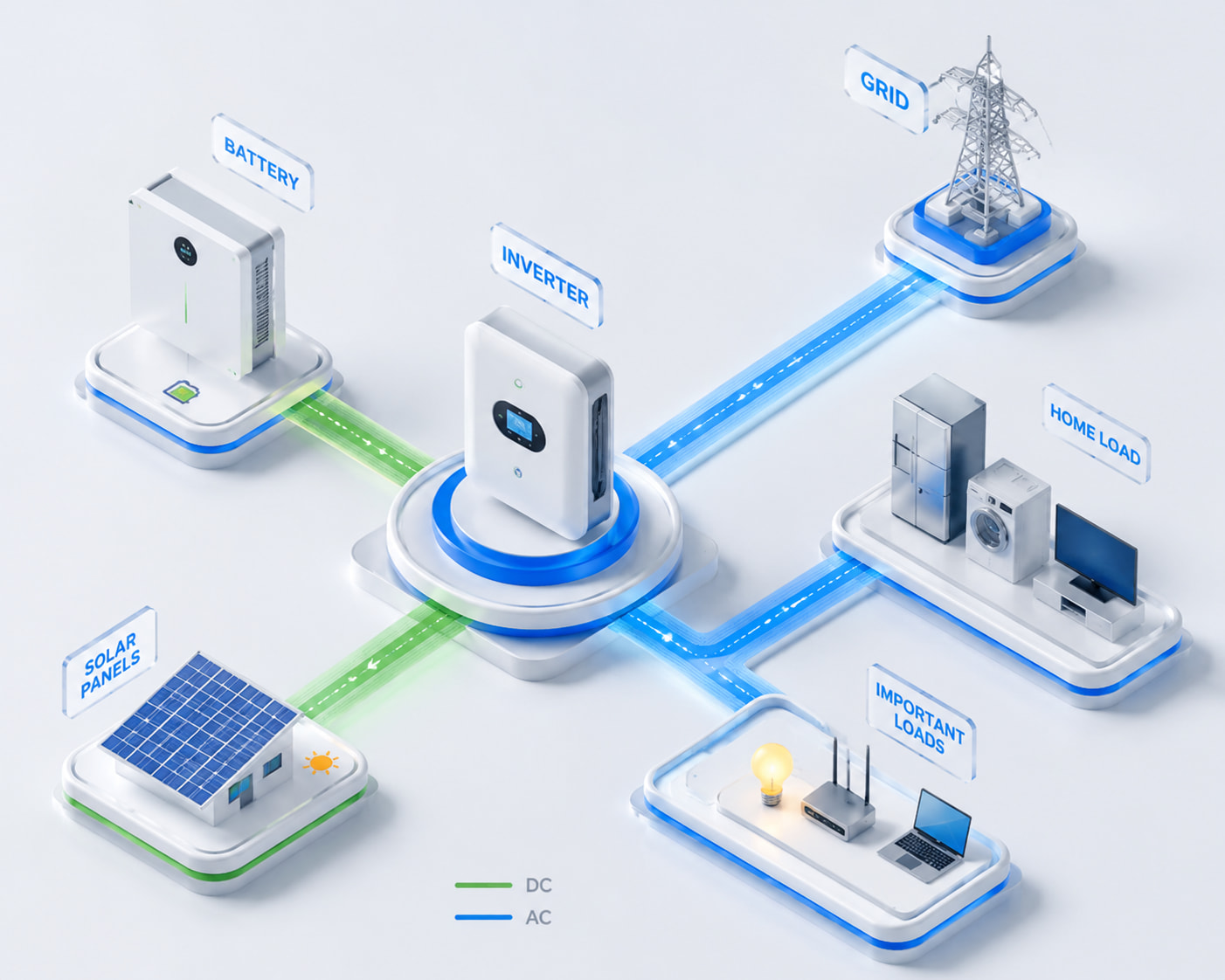
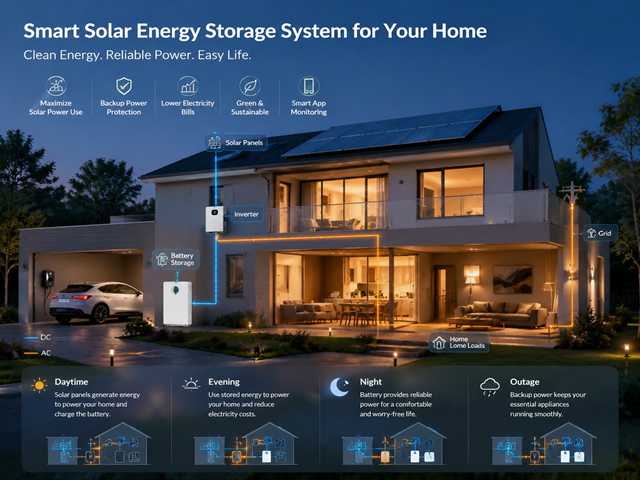
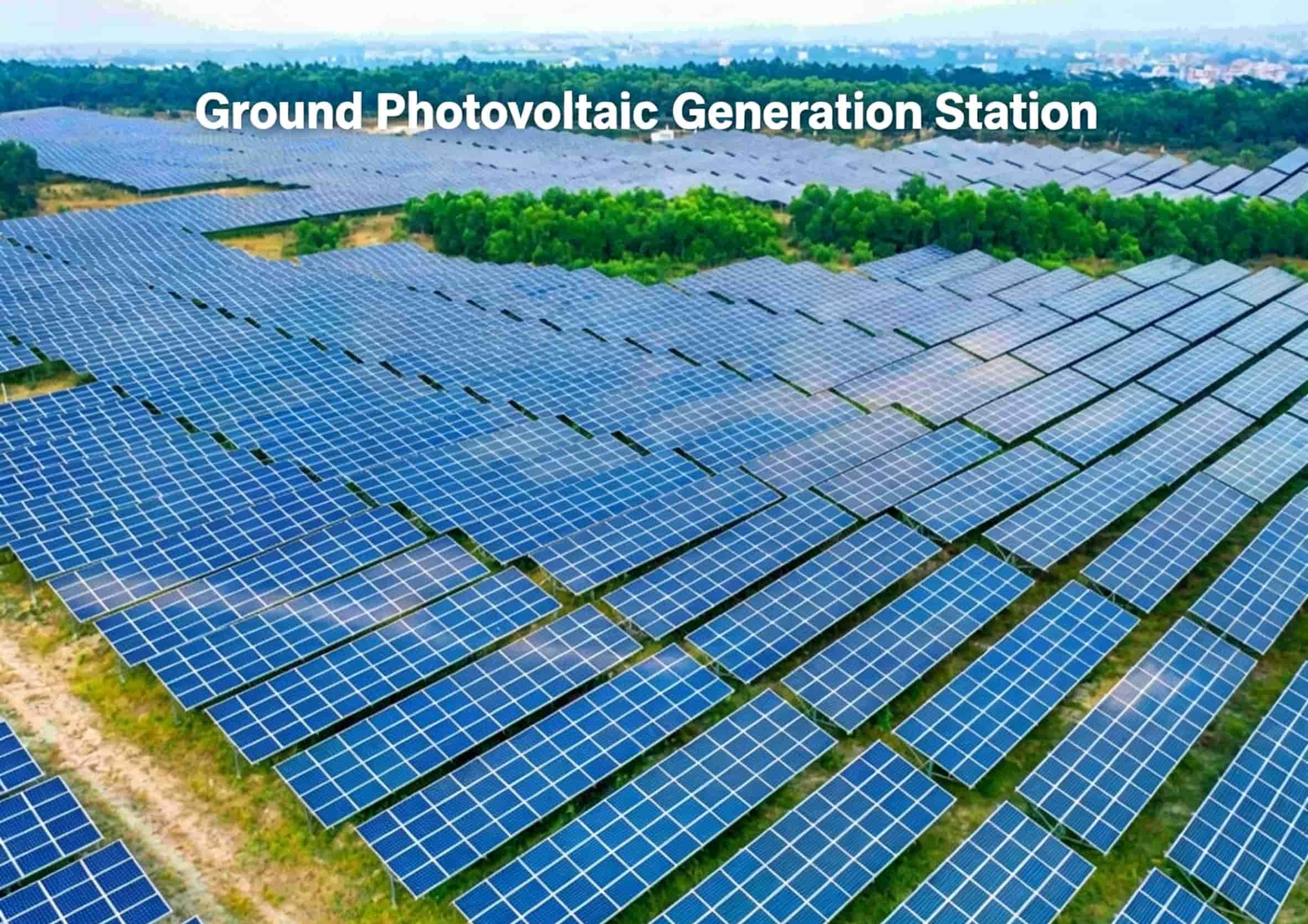
A residential energy storage system integrates solar PV generation, battery storage, inverter, and home electrical loads to enable efficient solar energy utilization and smart energy management.
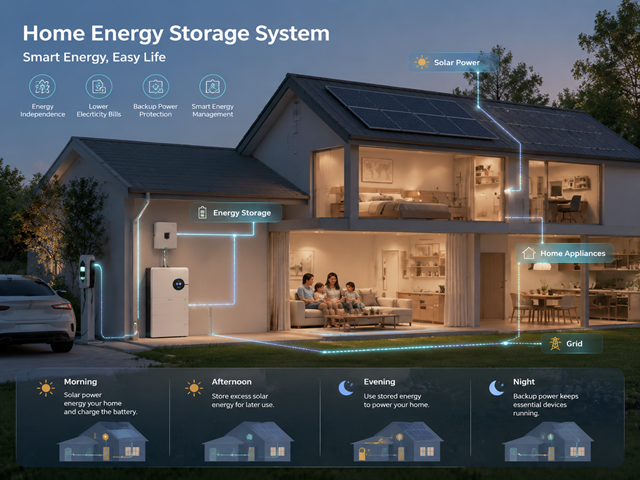
During daytime, the solar PV system generates DC electricity, which is converted by the hybrid inverter to supply home loads first. Excess energy is stored in the lithium battery storage system for later use.
When solar production is insufficient, the system automatically discharges stored energy to support household demand, improving self-consumption and energy independence. If both solar and battery power are limited, electricity is seamlessly imported from the utility grid (grid-tied system) to ensure continuous power supply.
This home energy storage solution enables optimized AC/DC energy flow management, reduces electricity costs, and enhances grid stability and backup power reliability.
2.System Architecture
Savings: Slash monthly power bills with stored solar power
Backup: Reliable emergency power when grid goes down
Independence: Less reliance on utility grid power
Efficiency: Boost your solar self-consumption rate
Control: Smart real-time energy monitoring & management
Scalability: Expand battery capacity as your power needs rise
3. Application
Household Size
Small Households (1–2 People | 50–120㎡)
Ideal for apartments or compact homes with basic electricity needs such as lighting, refrigeration, and small appliances.
Recommended storage capacity: 5–8 kWh
Small home battery storage,Apartment energy storage system, Compact ESS solution
Medium Households (3–4 People | 100–250㎡)
Suitable for standard single-family homes with moderate energy consumption, including air conditioning, kitchen appliances, and daily household devices.
Recommended storage capacity: 8–15 kWh
Residential solar battery storage, Home energy storage system, Solar self-consumption solution
Large Households (5+ People | 250–500㎡+)
Designed for villas or large homes with high energy demand, multi-air conditioning systems, and high-power appliances.
Recommended storage capacity: 15–30+ kWh
High capacity home battery system, Whole house backup power, Large residential ESS
Application Scenarios
Solar Self-Consumption Optimization
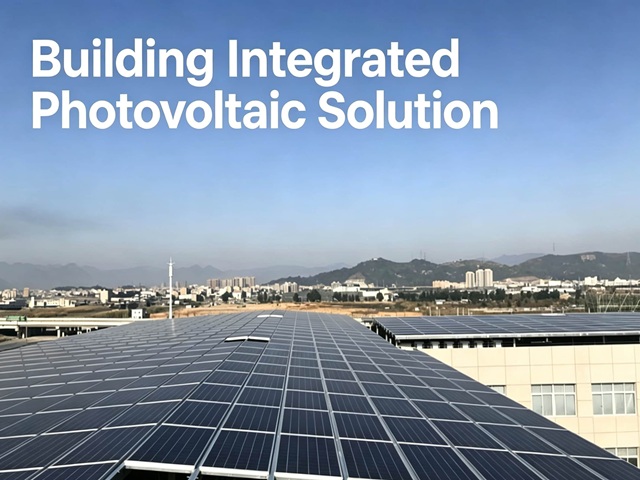
Residential energy storage systems store excess electricity generated by rooftop solar panels (PV systems) during the day and discharge it at night to maximize self-consumption of solar energy and reduce grid dependency.
Home Backup Power Supply
In case of grid outages or unstable electricity supply, the system provides reliable backup power for essential home loads, ensuring uninterrupted operation of critical appliances.
Time-of-Use Electricity Savings
In regions with peak and off-peak electricity pricing, the system stores energy during low-cost periods and discharges during peak hours to achieve energy cost optimization.
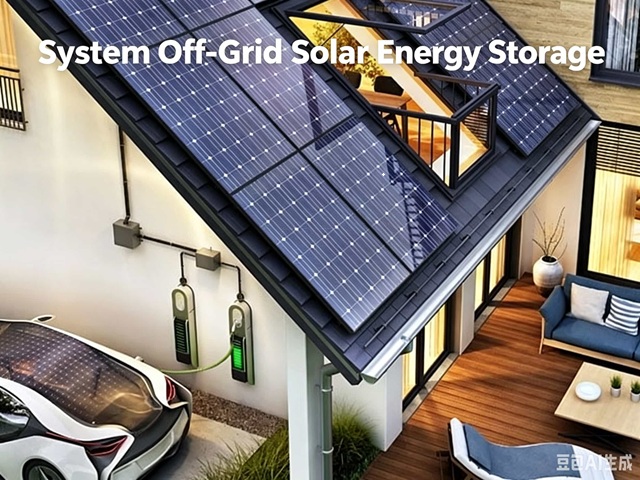
Energy Independence (Off-Grid or Weak Grid Areas)
Combined with solar PV systems, residential energy storage enables off-grid living or improved energy independence in remote or unstable grid regions.
4.Physical Diagram of Work