
Dyness Battery Systems: Efficient, Safe Energy Storage
Learn how Dyness batteries work, what they offer, and where they fit — so you can make an informed choice when selecting an energy storage solution.
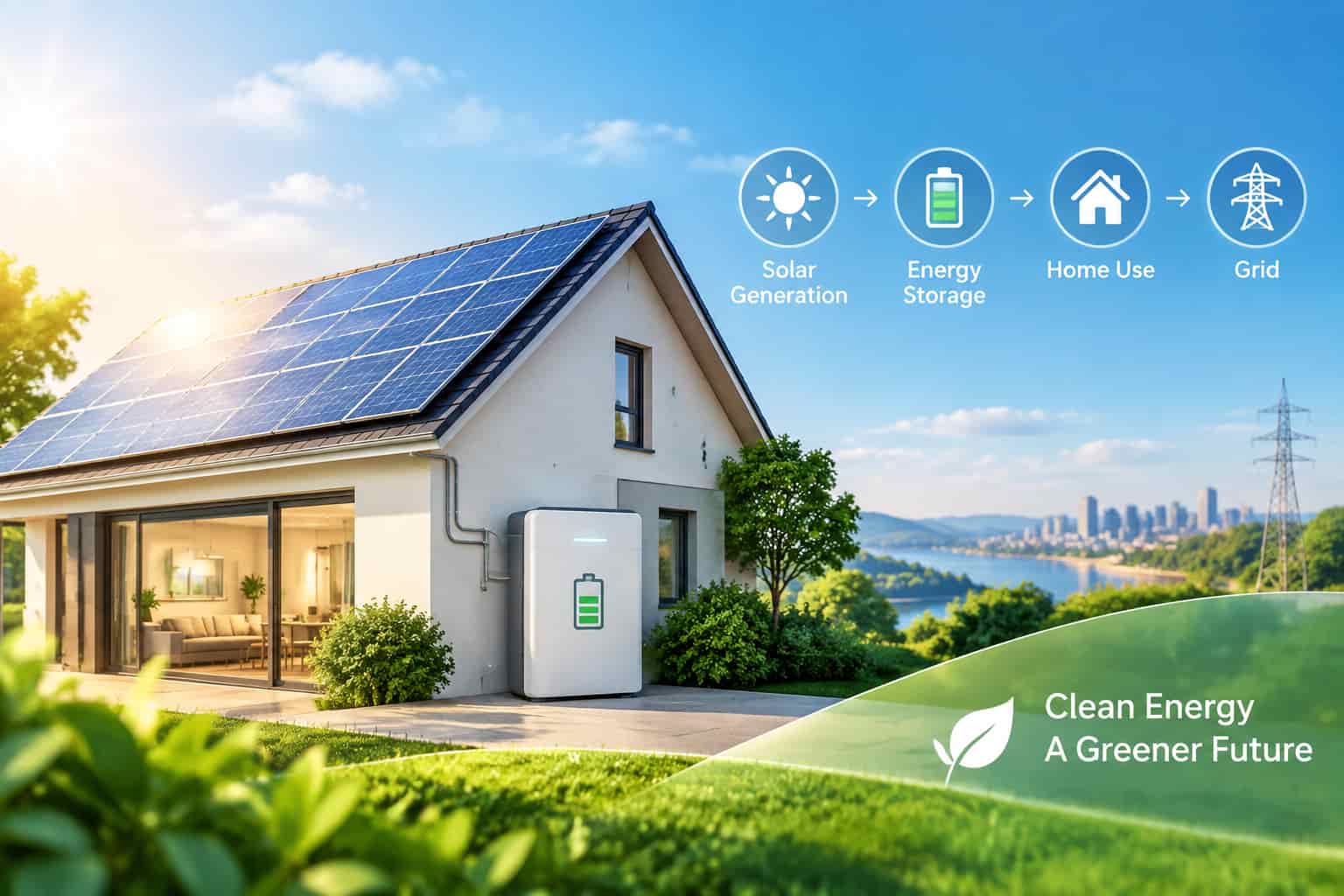
A solar system delivers more value when you can use its power after sunset. Energy storage makes this possible: it captures surplus energy generated at midday and releases it in the evening or during a power outage. Dyness, a globally recognized manufacturer headquartered in Suzhou, China, serves over one million users worldwide.
In this article, we'll cover what Dyness energy storage systems are, how they work, and why a Dyness battery is a smart choice.
What Are Dyness Energy Storage Systems?
Dyness is a globally active Chinese manufacturer focused on residential and industrial energy storage since 2017. Its systems use lithium iron phosphate (LiFePO4) cells — the industry standard for safety and long lifespan, thanks to their chemically and thermally stable chemistry.
The product range is divided into two branches:
- Residential: modular low-voltage Powerbox and PowerCube series (scalable from 2.4 kWh to over 25 kWh), plus the Tower and Stack100 high-voltage families.
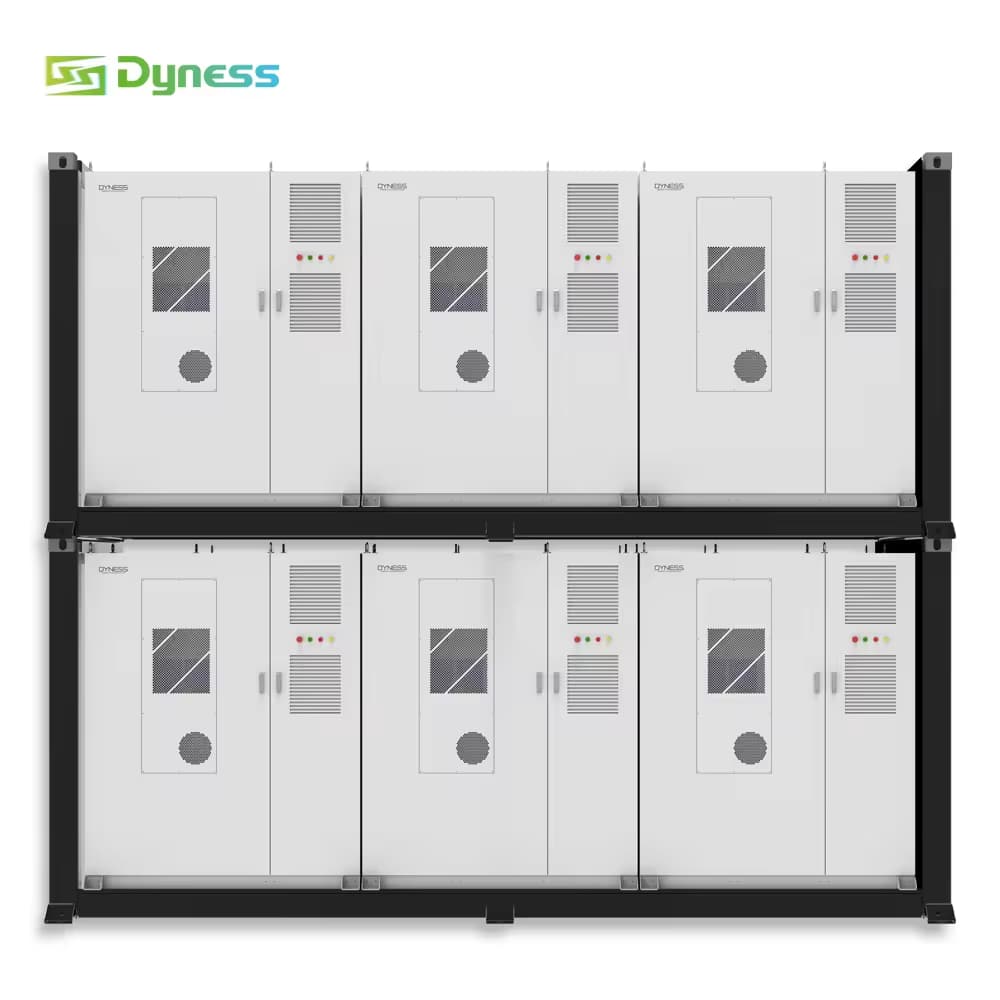
- Industrial & Commercial (C&I): the BF and DH series, expandable up to several MWh.
Key highlights:
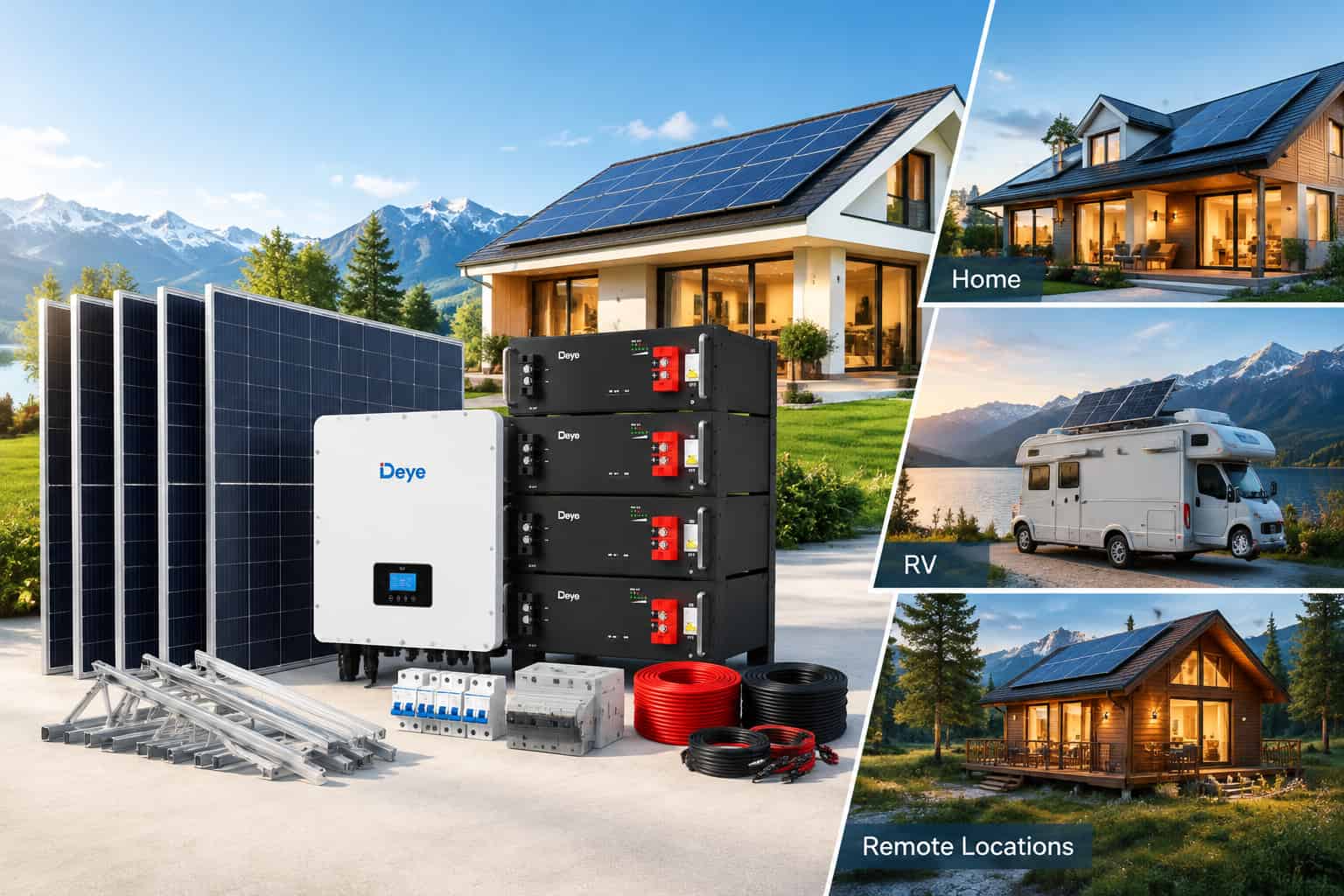
- Broad inverter compatibility — works with leading brands including Solis, GoodWe, Sofar, Victron, and SMA.
- Real-time monitoring via the Dyness APP, which tracks charging and discharging data live.
- Strong warranty: 10 years for residential products, and 5 or 10 years for industrial products.
What Are the Benefits of a Dyness Battery?
Dyness systems use lithium iron phosphate cells — thermally stable and rated for 4,000–8,000+ cycles. The modular design allows expansion from 2.4 kWh; IP54–IP65 protection enables outdoor installation; and the 10-year warranty exceeds the market average. Built-in monitoring streams real-time system status to your smartphone.
Dyness Batteries for Home Use
A typical Hungarian single-family home consumes about 8–15 kWh per day, with peaks in the morning and early evening — exactly when solar panels stop generating. Dyness residential systems work on this principle: they charge from surplus solar during the day and power the home in the evening, significantly boosting self-consumption.
The most popular model is the Powerbox G2: 10.24 kWh units that can be paralleled up to 50 units for a total of 512 kWh. With an IP65 rating it suits both outdoor and indoor use, in wall-mounted or floor-standing versions. A built-in heater keeps charging working down to –20 °C, so operation continues through Hungarian winters, and the factory-installed aerosol fire suppression system responds within 5 seconds.
For smaller homes, the modular Powerbox series (from 2.4 kWh) is the best fit; for large, high-consumption properties (heat pumps, EV charging), the high-voltage Tower or Stack100 families are recommended. When choosing, consider the solar array size, inverter type, and annual consumption — not just the kWh.
Dyness Energy Storage for Industrial & Commercial Settings
For businesses, the three main cost and risk factors are peak-period electricity prices, capacity charges, and business continuity. Dyness's C&I portfolio addresses these directly, scaling from 35.84 kWh to 5 MWh — from a small workshop to a standalone energy storage plant.
The three most common applications: peak shaving (cutting peak-hour consumption), load shifting (charging off-peak, discharging at peak), and backup operation(power during grid outages). The DH100F and DH200F all-in-one systems integrate battery pack, PCS, BDU, and MPPT in one cabinet, with on-grid/off-grid switchover in under 20 ms. For larger projects, the STACK100 and BF200 series scale up to several MWh.
The European C&I storage market is forecast to grow multi-fold through 2028 (Solar Power Europe), and as a Hungarian reference, a Dyness DH200Y system now serves a 500 kW automotive supplier. Dyness also won the EUPD Top Brand Storage award in 2025 in Romania, Poland, and the UK — a sign of its professional recognition across Europe.
Key Technical Specifications of Dyness Batteries
Capacity alone isn't enough when choosing a battery — real performance and lifespan depend on several interrelated parameters.
Cell chemistry
All Dyness products use lithium iron phosphate (LiFePO4), which is thermally stable and long-lasting.
Nominal voltage:
51.2 V for the residential low-voltage series (Powerbox, Powerbox G2, DL5.0C); 192–576 V for the Tower and H3 high-voltage families.
Depth of discharge (DoD)
90–95% usable on most modern models — a 10 kWh unit delivers 9–9.5 kWh in practice.
Cycle life
4,000–8,000 cycles at 80–90% DoD, equivalent to over 10 years at one cycle per day — backed by a 7–10-year manufacturer's warranty.
Protection & safety
Outdoor models are rated IP65; the Powerbox G2 self-heats down to –20 °C and features an intelligent aerosol fire suppression system that responds to cell-level failures in 5 seconds.
BMS
Includes overcharge, deep discharge, overcurrent, overheating, short-circuit protection, and cell balancing.
Certifications
CE, UL, IEC62619, EN62477, EN62109, plus grid-connection permits for European distribution.
Installation and Maintenance Considerations for Dyness Energy Storage
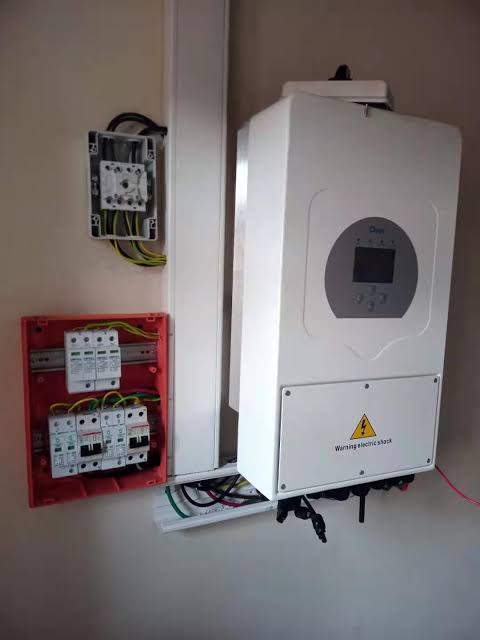
Installation must always be done by a qualified electrician or certified solar installer — DIY installation is dangerous and automatically voids the manufacturer's warranty. Sizing comes first: the designer needs precise data on the household's annual and daily consumption, the existing solar array's capacity, and the inverter type.
Installation location. Most Dyness models have IP65 protection, so they can be wall-mounted, floor-standing, or placed indoors or outdoors. LiFePO4 cells charge optimally at 0–45 °C; several models (e.g., Powerbox G2) feature built-in self-heating, enabling safe charging down to –20 °C. Generally, leave at least 30 cm of free space around the battery for heat dissipation and maintenance, but always follow the manufacturer's installation guide. Grounding, circuit breakers, and cable sizing must comply with local standards (in Hungary, MSZ HD 60364).
Maintenance is minimal thanks to the LiFePO4 chemistry. The BMS automatically manages charge/discharge cycles, balances cells, and monitors temperature. Owners should regularly check capacity degradation, error messages, and firmware updates in the Dyness app, and keep the area clean with a yearly ventilation check. A professional annual inspection is good practice and helps maintain the 10-year warranty.
FAQ
1. What capacity Dyness battery should I choose for an average family home?
For a typical Hungarian family home with four occupants consuming 12–15 kWh per day, a battery with 8–10 kWh of usable capacity can generally cover most evening and nighttime consumption. Exact sizing depends on the solar panel output, the household's daily consumption profile, and whether a heat pump or EV is part of the load.
2. How long does a Dyness battery last?
Dyness batteries use lithium iron phosphate (LiFePO4) cells, rated by the manufacturer for 4,000–8,000+ cycles at 80–90% DoD. At one cycle per day, that equals at least 10–15 years of operation. The standard warranty is 5–10 years (a 5-year warranty can be extended to 10). Actual lifespan is mainly affected by temperature, depth of discharge, and charge-current control — all managed automatically by the BMS.
3. Which inverters are Dyness systems compatible with?
The low-voltage families (Powerbox, Powerbox G2, PowerCube) work with Solis, GoodWe, Sofar, LuxPower, Deye, Victron, and SMA hybrid inverters. The high-voltage Tower and H3 series are typically compatible with Solis, Deye, and other HV-compatible hybrid inverters. In Hungary, always verify beforehand that your chosen inverter appears on the approved inverter list of the E.ON or MVM distributor.
4. Can a Dyness battery be installed outdoors?
Yes. Most residential models carry an IP65 rating, so they can be wall-mounted or floor-standing, indoors or outdoors. The Powerbox G2 features built-in self-heating for charging down to –20 °C, making it suitable for Hungarian winters. Still, avoid locations exposed to direct sunlight or prolonged moisture where possible — the installation manual details all requirements.