

The Meaning of BESS and How Battery Energy Storage Systems Work
What is BESS, how does a battery energy storage system operate, and why has it become an essential solution for modern energy management? Discover its key advantages, practical applications, and future potential in the evolving energy landscape.
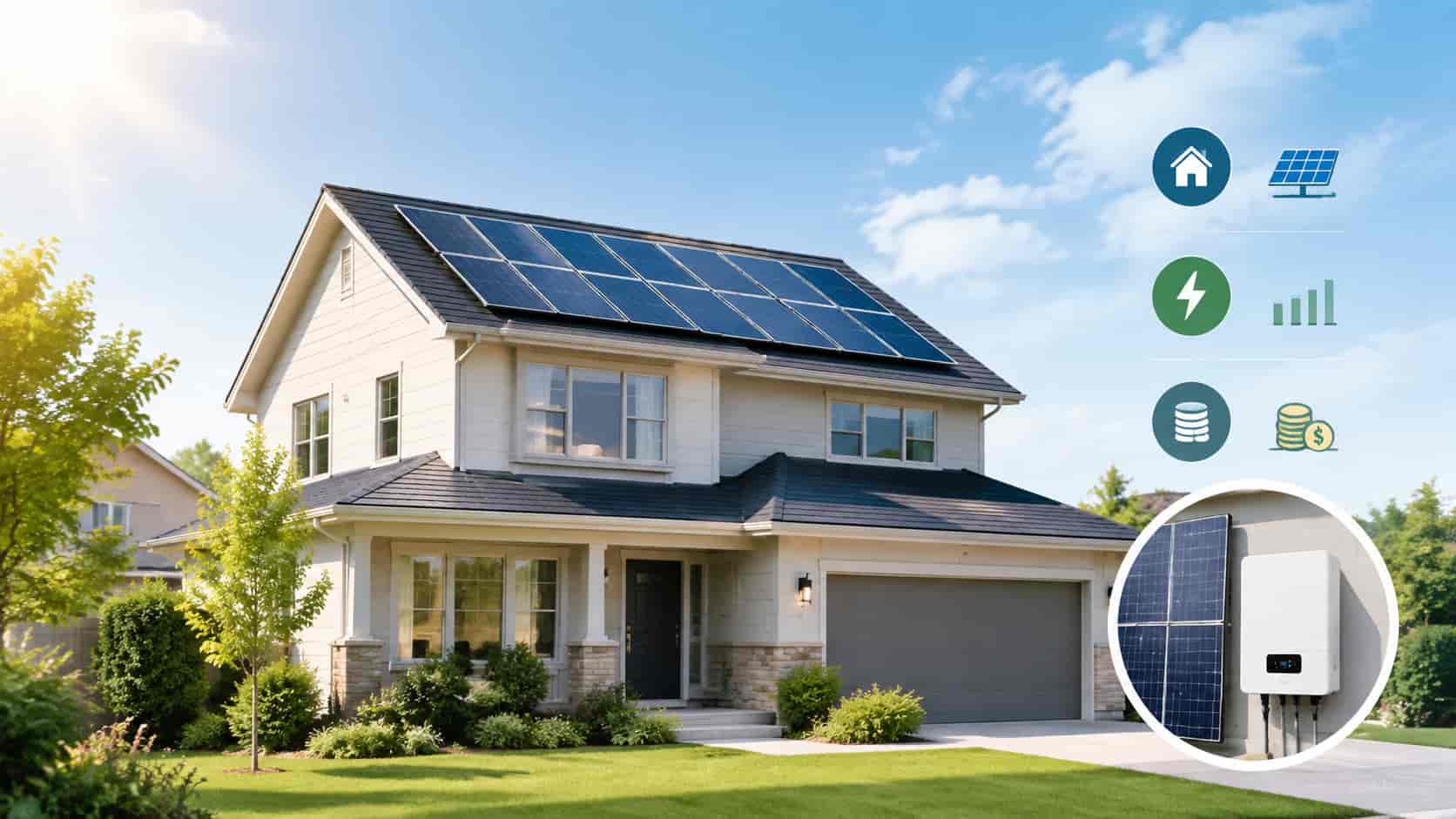
With the rapid growth of renewable energy, the term BESS is becoming increasingly common across the energy industry. Whether you are planning a residential solar system or managing a large-scale commercial energy project, you will likely encounter this concept, as battery energy storage has become a crucial part of today’s power infrastructure. The idea behind a BESS system is straightforward but highly valuable: it stores electricity generated from renewable sources or purchased during lower-cost periods and releases it when energy demand increases or power is needed most.
In this article, we will explain what the BESS abbreviation means, how these systems function, and the key components that make them work. We will also explore their major applications in the energy sector, their importance in supporting renewable energy integration, and the benefits they bring to businesses, industries, and modern power networks.
What is BESS and What Does It Stand For?
BESS stands for Battery Energy Storage System. It is not a particular product or manufacturer, but a general term used to describe systems that store electrical energy through rechargeable batteries and release that stored power back to the grid or supply it directly to users when needed. In the energy industry, BESS is commonly referred to as battery energy storage or battery storage technology.
It is essential to understand the difference between BESS and ESS (Energy Storage System). ESS is a wider concept that includes various forms of energy storage technologies, such as chemical storage, thermal storage, mechanical storage, and gravity-based solutions. BESS represents a specific type of ESS that relies on electrochemical batteries to store energy. Currently, lithium-ion battery technology dominates the BESS market, with lithium iron phosphate (LiFePO₄) batteries becoming increasingly popular due to their improved safety performance, longer service life, and lower environmental impact compared with traditional nickel-based lithium battery technologies.
BESS systems are available in a wide range of sizes and applications. Residential battery storage systems typically provide several kilowatt-hours of capacity for household energy needs, while commercial and industrial (C&I) solutions can range from tens of kilowatts to multiple megawatts. At the utility scale, large BESS installations can support hundreds of megawatts of power output and gigawatt-hour-level energy storage capacity. The global battery energy storage market is expanding rapidly, with installed BESS capacity reaching approximately 267 GW of power and 610 GWh of energy capacity by 2025. This growth highlights that BESS is evolving from an optional energy solution into a core technology for modern power systems.
How Does a BESS System Work?
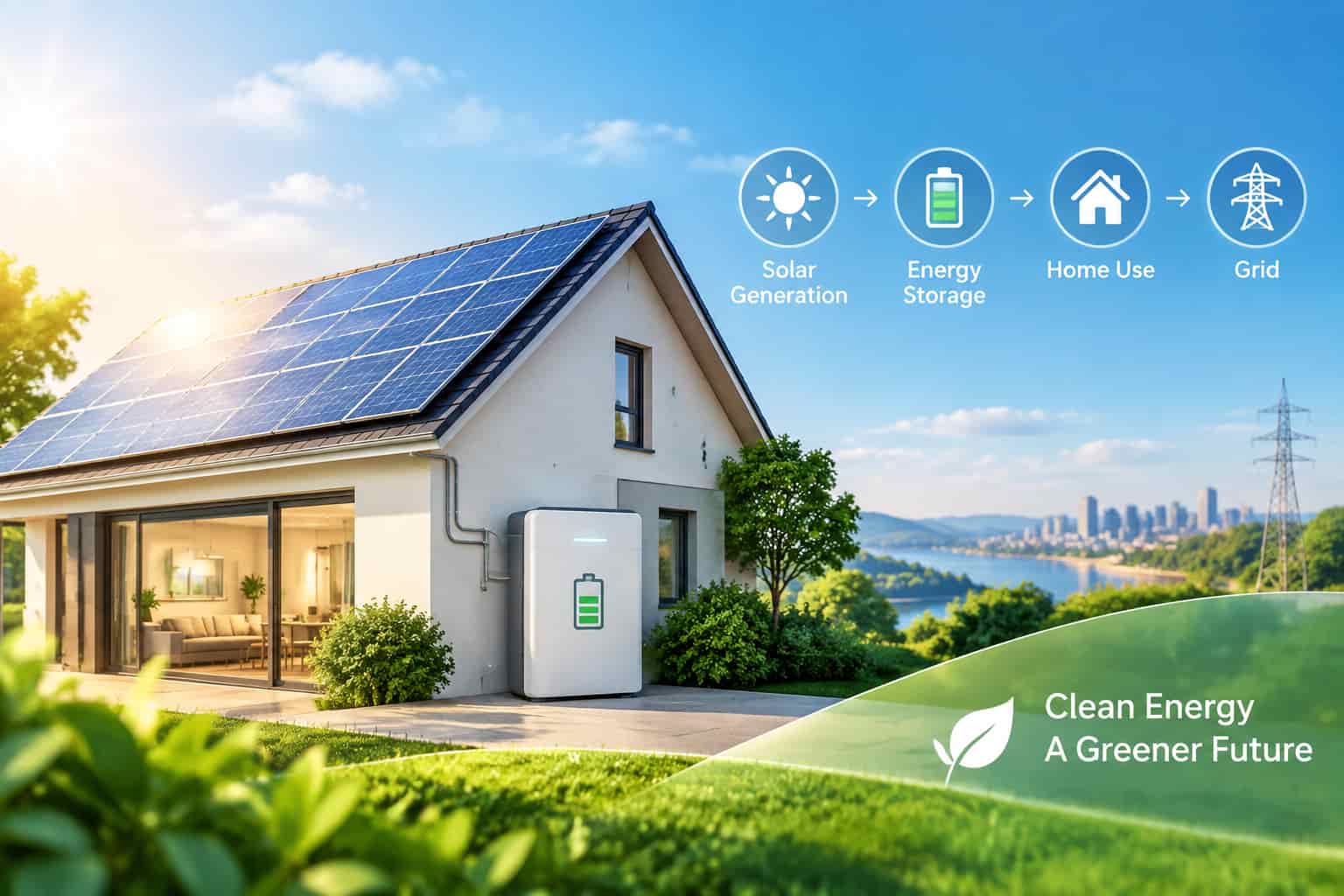
The operating principle of a BESS system can be summarized in three key stages: charging, energy storage, and discharging. The process starts when electricity is generated from an energy source, such as a solar photovoltaic system, wind power installation, or the public electricity grid. Since most power sources provide electricity in the form of alternating current (AC), while batteries require direct current (DC) for charging, the system relies on a bidirectional power conversion system (PCS) or hybrid inverter to convert AC electricity into DC power. The converted energy is then stored inside the battery cells as chemical energy.
When electricity demand increases or power is required—such as at night when solar generation stops, during peak electricity pricing periods, or in the event of a grid failure—the BESS system reverses the process. The stored DC energy is converted back into AC electricity through the PCS or hybrid inverter and delivered either to the electrical grid or directly to connected loads. Throughout this operation, an intelligent Energy Management System (EMS) continuously monitors and controls the entire process, optimizing charging and discharging schedules based on factors such as electricity prices, weather conditions, energy consumption behavior, and grid requirements.
Today’s lithium-ion battery storage systems, especially those using lithium iron phosphate (LiFePO₄) battery chemistry, generally achieve a round-trip efficiency of around 85–95%. This means most of the stored electricity can be effectively recovered and used. With high efficiency and improved battery performance, modern energy storage solutions are becoming increasingly cost-effective, and properly designed systems can often achieve a return on investment within approximately 3–7 years, depending on local electricity costs and operating conditions.
Key Components of a Battery Energy Storage System
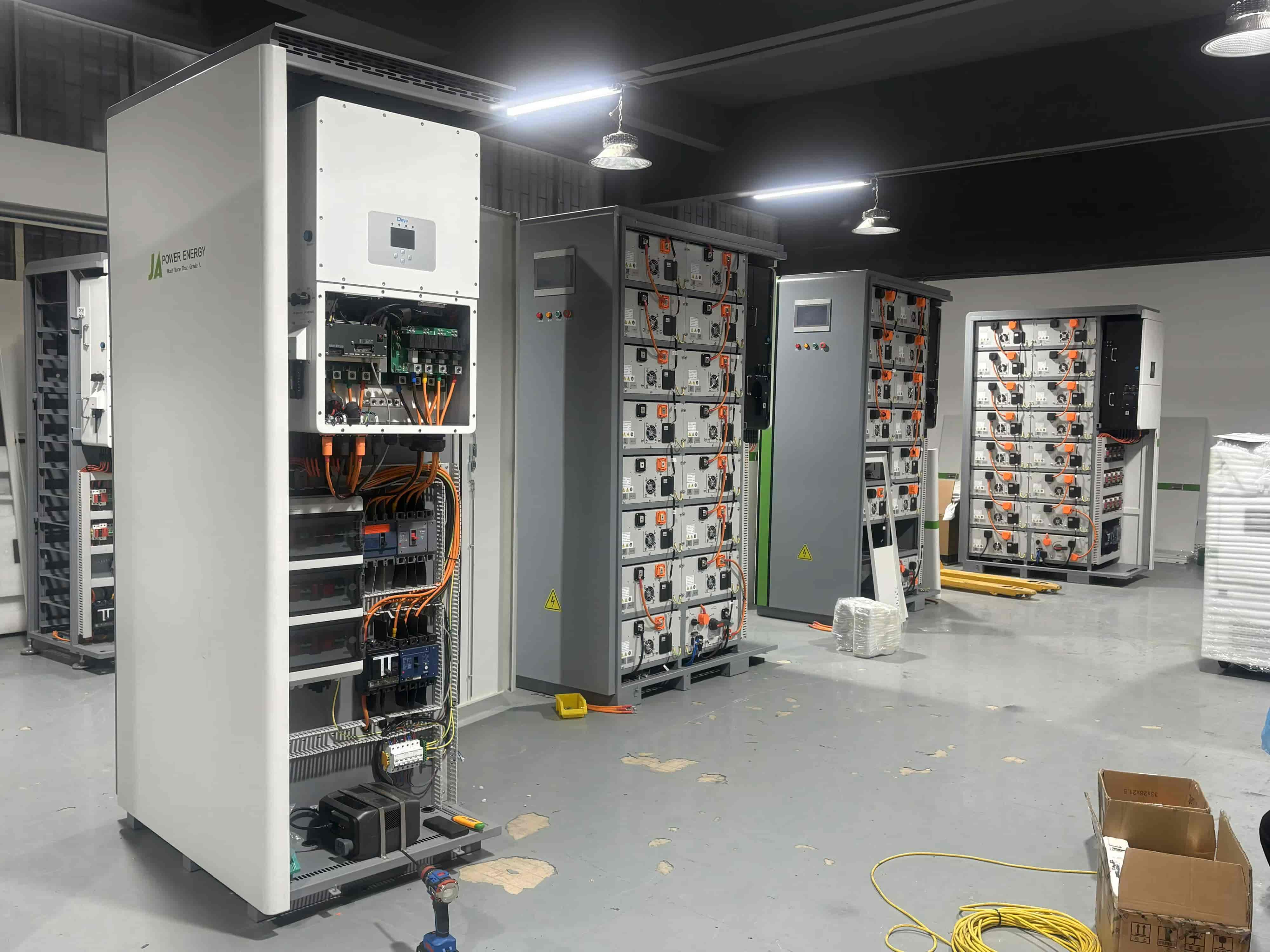
A complete BESS is much more than a group of battery units connected together. It is an integrated energy storage solution that combines multiple hardware and software layers to ensure efficient, reliable, and safe operation. A modern battery energy storage system typically consists of the following five essential components:
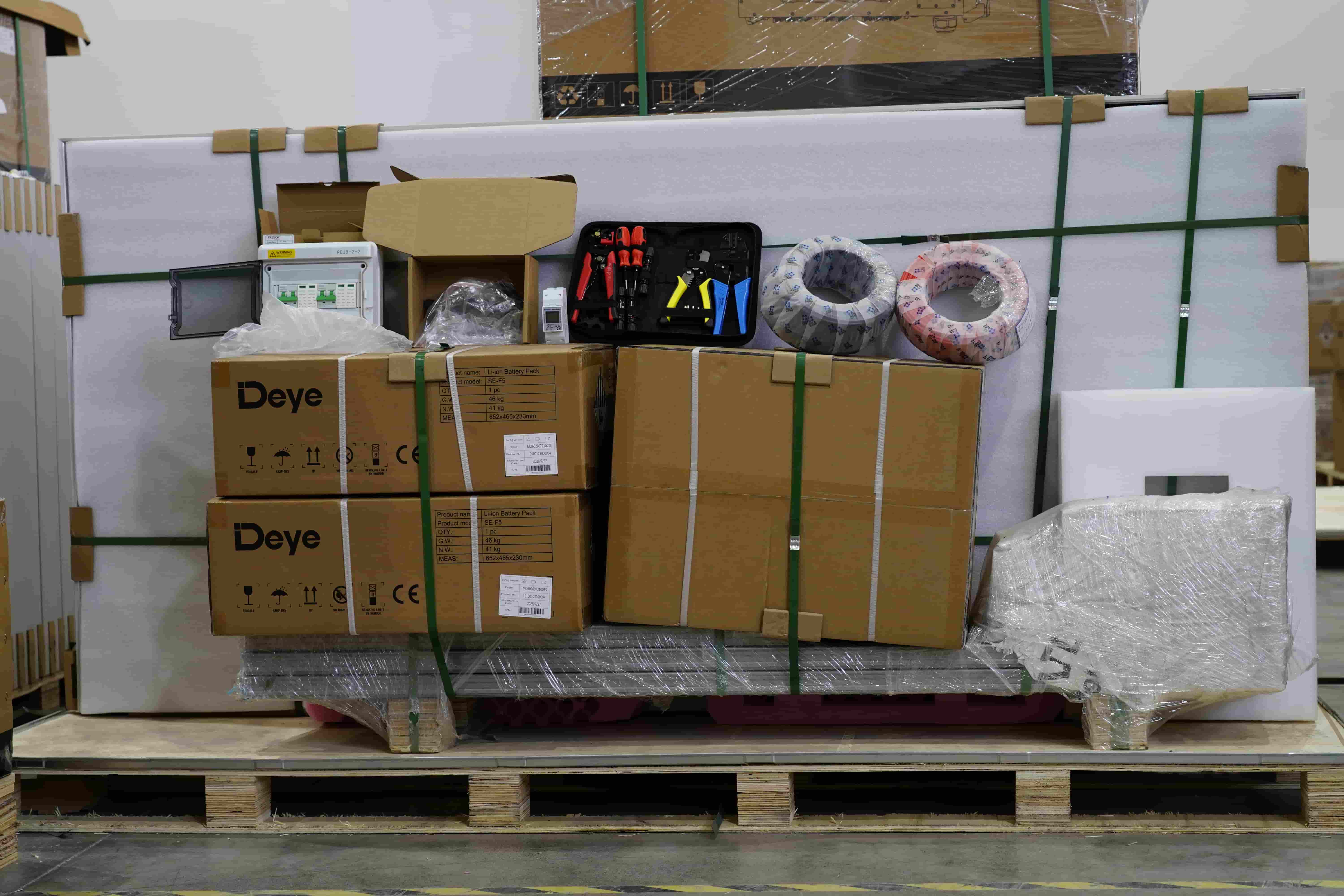
Battery modules and cells – The core energy storage unit of the system, where electrical energy is converted and stored in chemical form. Individual battery cells are connected in series and parallel configurations to create modules, which are then combined into battery racks and complete storage systems. Today, lithium iron phosphate (LiFePO₄) technology has become one of the most widely adopted solutions because of its excellent safety performance, long cycle life, and stability. Products such as the Dyness energy storage series are examples of LiFePO₄-based battery storage solutions.
Battery Management System (BMS) – The safety and monitoring system responsible for managing battery performance. The BMS continuously tracks important parameters, including cell voltage, temperature, state of charge (SoC), and state of health (SoH). It helps prevent issues such as overcharging, excessive discharge, overheating, and cell imbalance, ensuring reliable battery operation and extending service life.
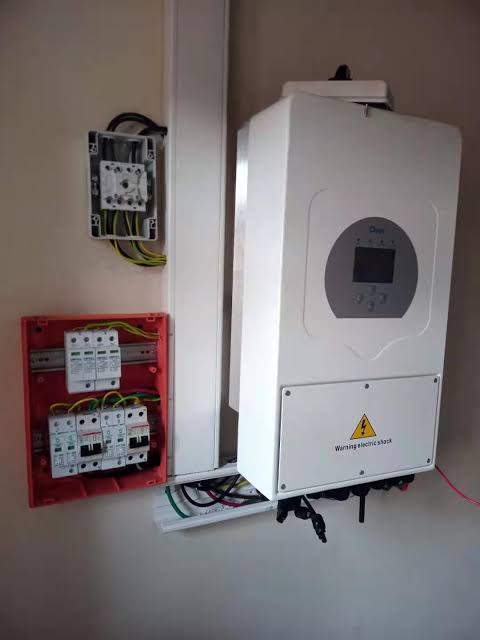
Power Conversion System (PCS) / Hybrid Inverter – The key power conversion component that enables bidirectional energy flow between the battery and external power sources. It converts DC electricity stored in the battery into AC power for household loads or the grid, and also converts AC power back into DC energy during charging. This component plays a critical role in connecting battery storage systems with solar installations, electrical loads, and the power network.
Energy Management System (EMS) – The intelligent control center of a BESS system. It coordinates communication between the BMS, PCS, and other system components while optimizing energy usage strategies. By analyzing factors such as electricity demand, energy prices, and grid conditions, the EMS determines the most efficient charging and discharging schedules.
Thermal management and safety systems – These systems maintain stable operating conditions and protect the equipment during operation. They include heating, ventilation, and air conditioning (HVAC), temperature monitoring sensors, fire detection, and fire suppression equipment. For large-scale industrial BESS installations, these safety systems are essential to maintain performance, reliability, and operational security.
FAQ
1. How long is the service life of a BESS system, and when should it be replaced?
A modern BESS system based on lithium-ion battery technology generally offers a service life of around 10–15 years, or approximately 4,000–8,000 charge and discharge cycles. Over time, the battery capacity will gradually decline due to natural degradation. LiFePO₄ battery chemistry typically provides even better durability, with high-quality cells capable of achieving 6,000–10,000 cycles while maintaining around 70–80% of their original capacity. Most manufacturers provide warranties covering about 10 years or a defined number of operating cycles, depending on which limit is reached first. The actual lifespan depends on several factors, including depth of discharge (DoD), operating temperature, charging habits, and overall usage conditions.
2. Can a BESS system be integrated with an existing solar PV system?
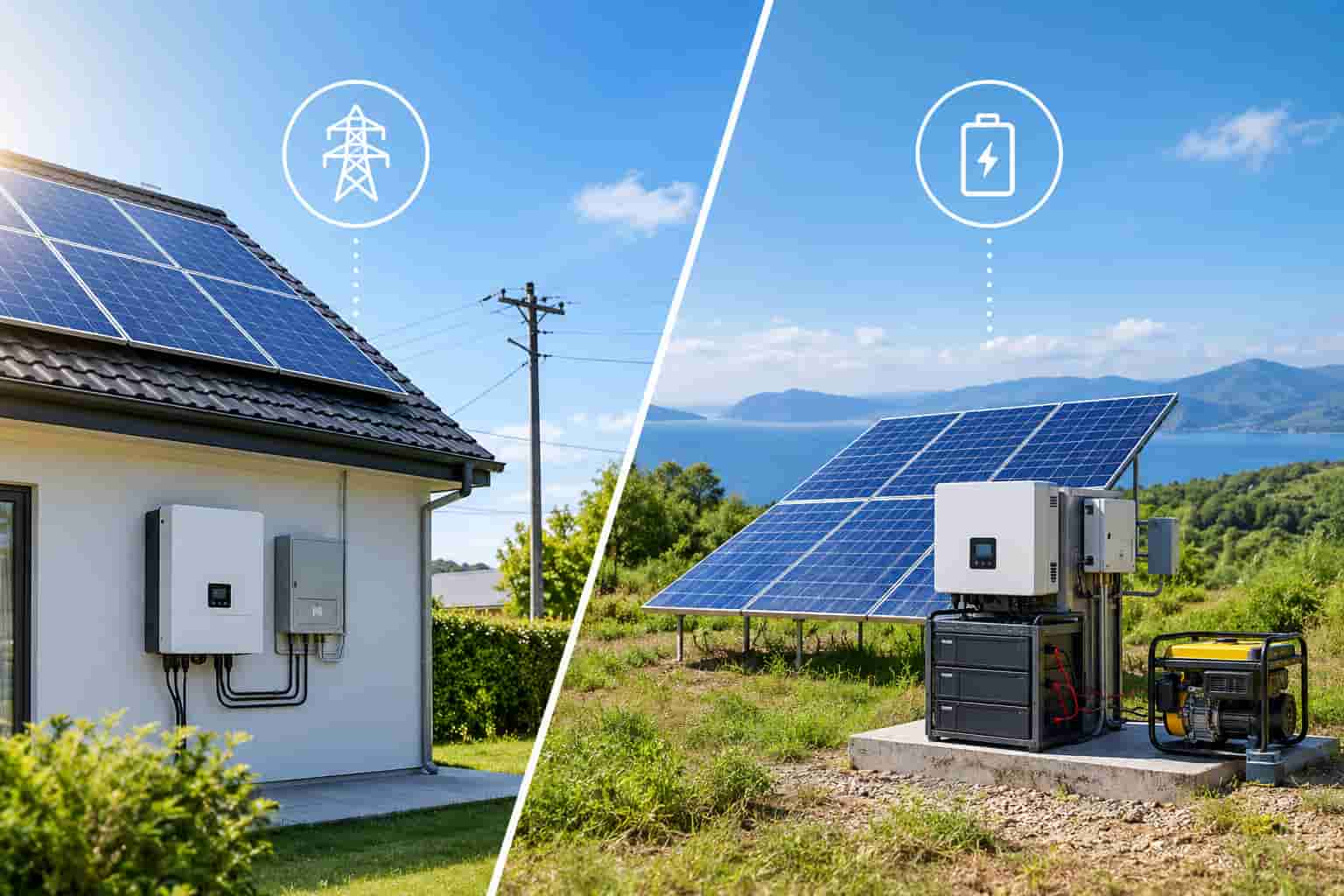
Yes, a BESS can be added to an existing solar installation, but the integration method depends on the current system design. There are mainly two connection options: a DC-coupled system, where the battery is connected directly to the solar side through a hybrid inverter, and an AC-coupled system, where the battery storage unit connects to the AC side of the electrical system through an independent inverter. For many retrofit projects, AC coupling is often the more convenient option because it allows homeowners to keep their existing solar inverter. The optimal solution depends on factors such as electricity consumption patterns, inverter compatibility, and required storage capacity, so a professional system evaluation is recommended.
3. Is installing a BESS system at home safe?
When correctly installed and operated, a modern BESS system is considered a safe energy storage solution for residential applications. LiFePO₄ batteries offer strong thermal stability and a lower risk of thermal runaway compared with older lithium battery chemistries such as NMC and NCA. To enhance safety, manufacturers integrate multiple protection mechanisms, including Battery Management Systems (BMS), temperature monitoring, overvoltage protection, overcharge prevention, and compliance with international safety standards such as UL 9540 and IEC 62619. Professional installation is essential, and the battery system should be placed in a suitable location with proper ventilation and protection from extreme heat, moisture, and direct sunlight.
4. What size BESS system is suitable for a home?
For residential energy storage applications, the most common BESS capacity range is approximately 5–15 kWh, with many households selecting systems between 8 and 13 kWh. The ideal battery size depends on several key factors, including annual electricity consumption, solar PV system output, and daily energy usage patterns. Homes with higher evening and nighttime electricity demand—such as those using heat pumps, electric vehicle chargers, or air conditioning systems—may require a larger storage capacity. However, installing an oversized battery is usually not cost-effective, as it increases investment costs without delivering additional practical benefits.