



How Does a Hybrid Solar Inverter Work?
Basic Components of a Hybrid Inverter System
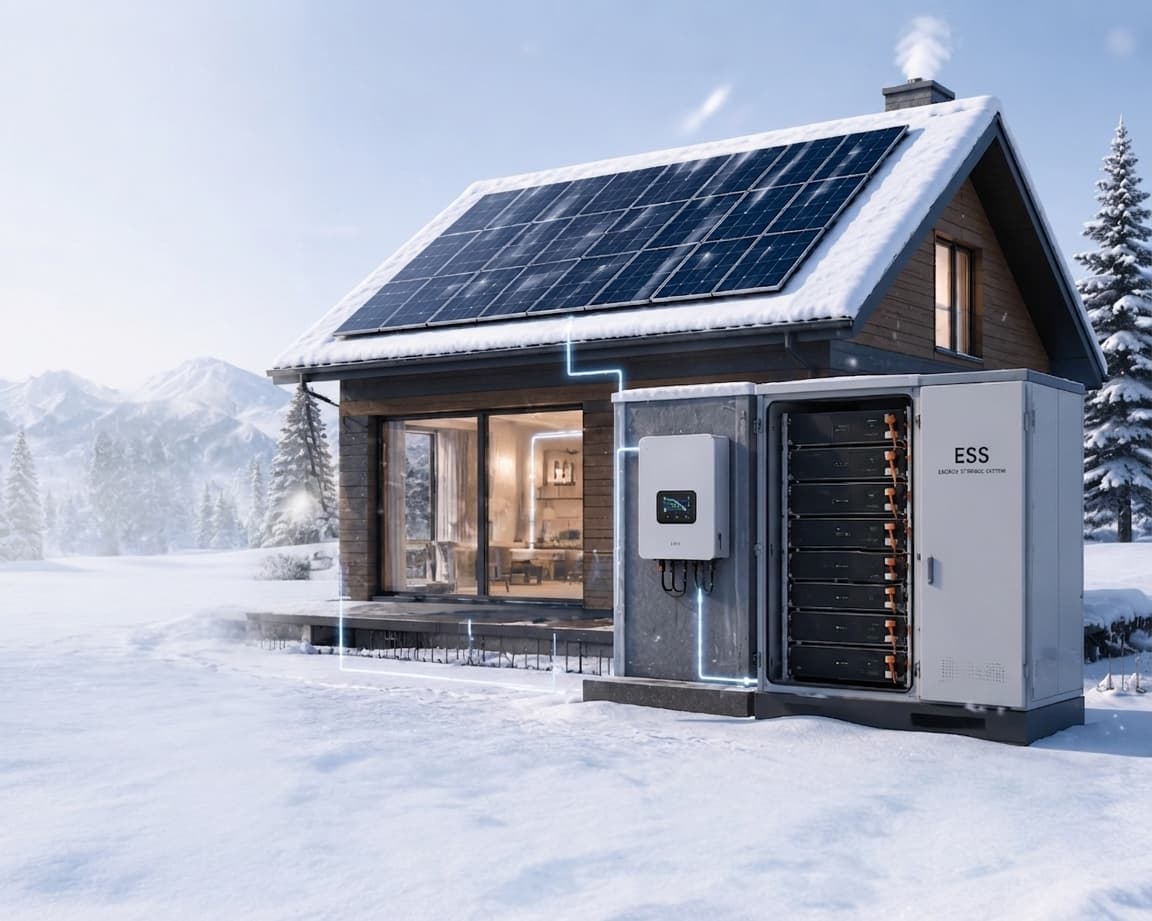
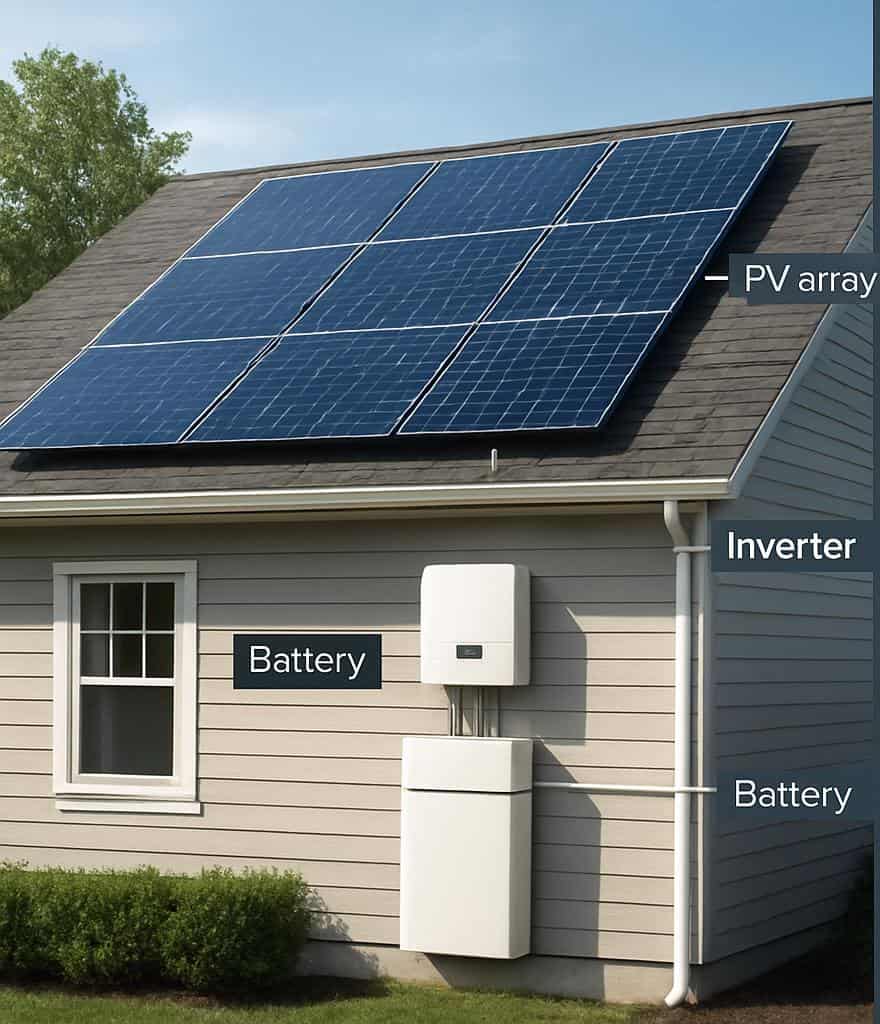
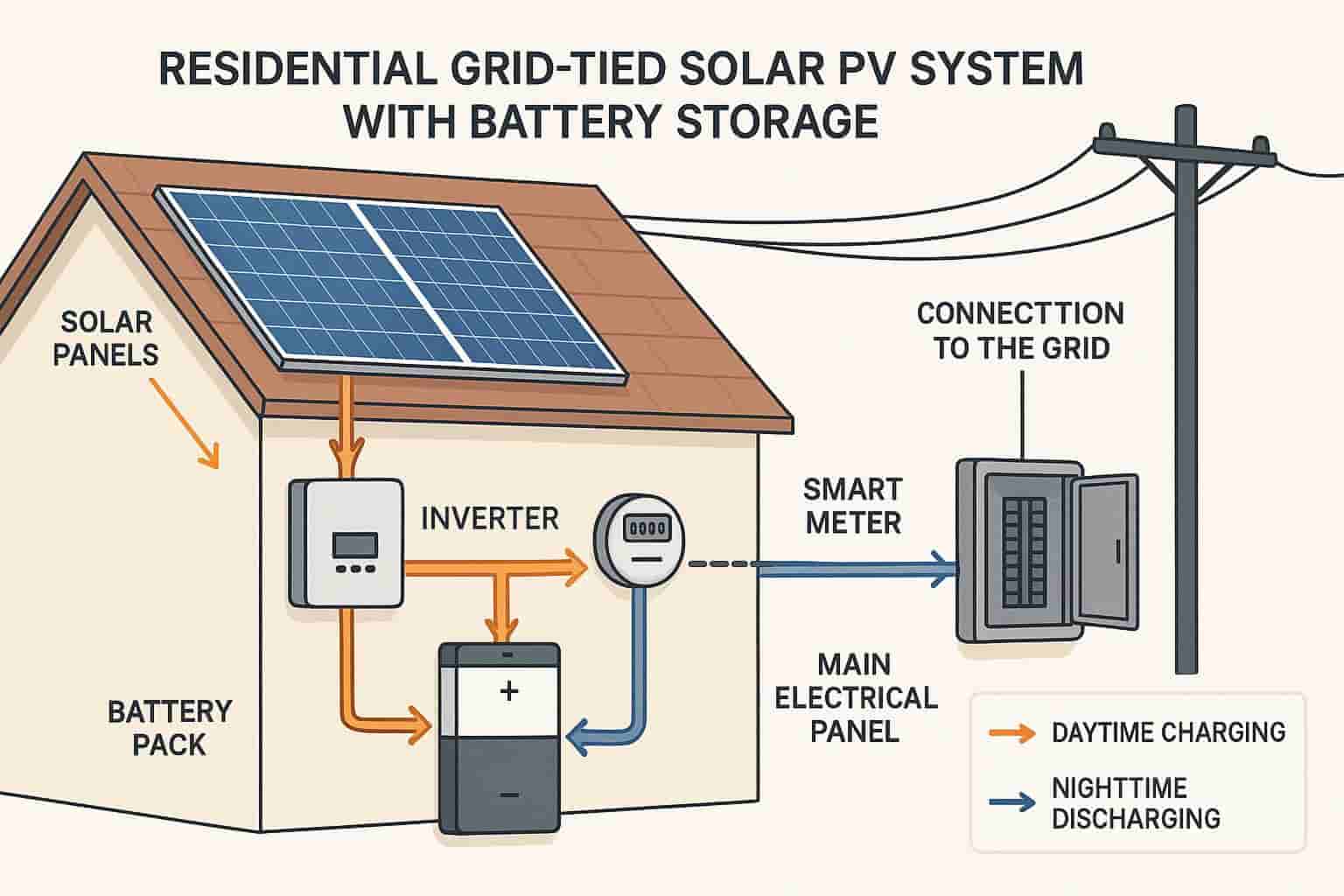
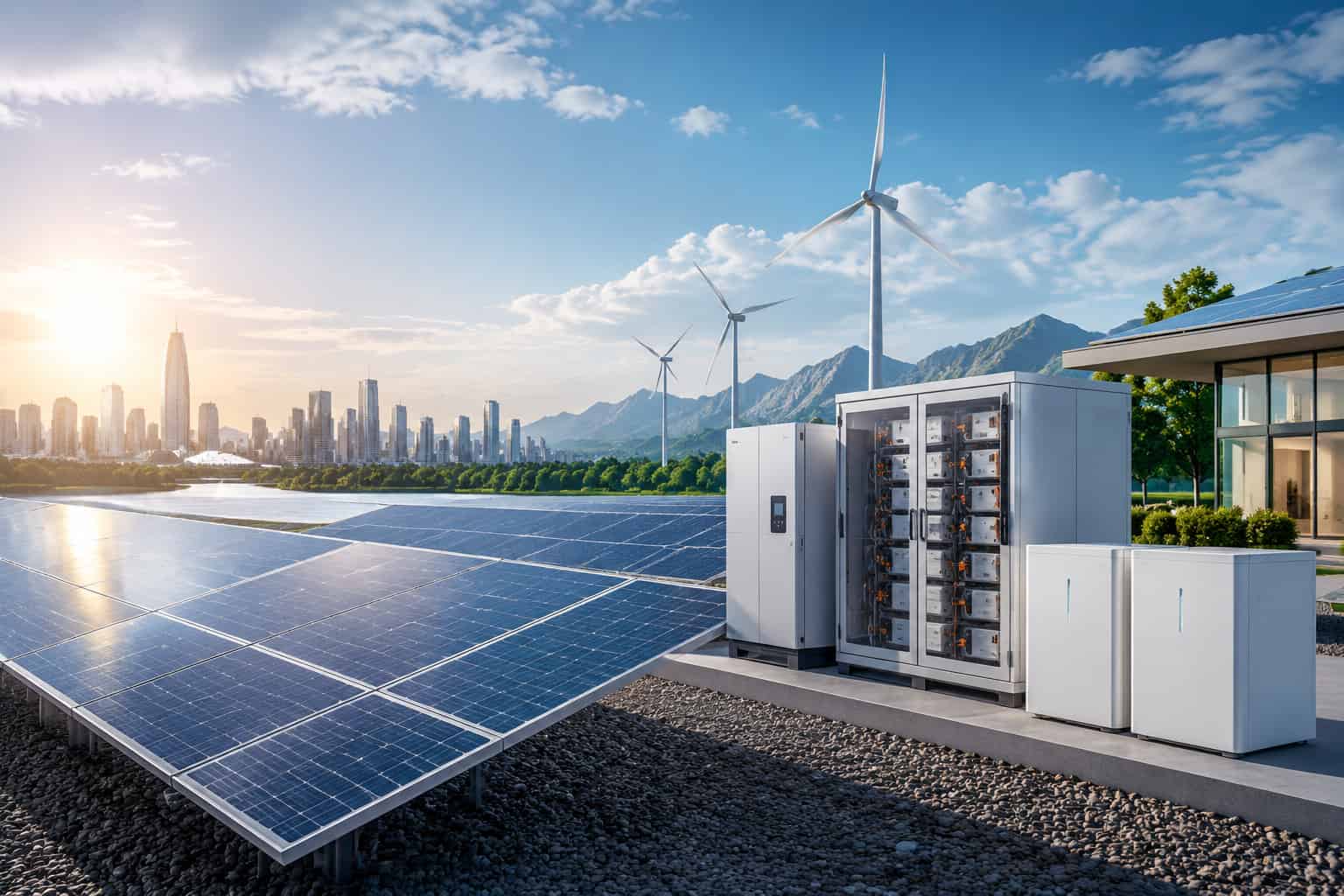
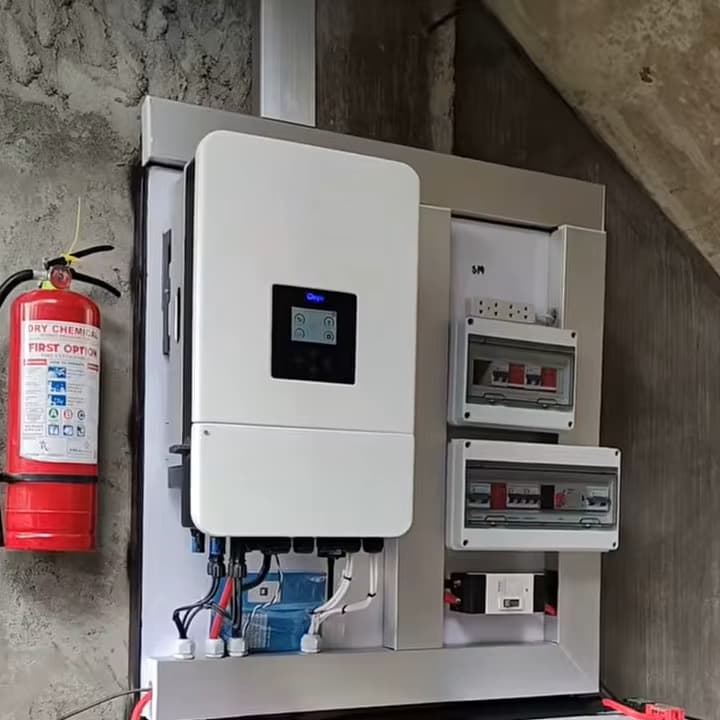
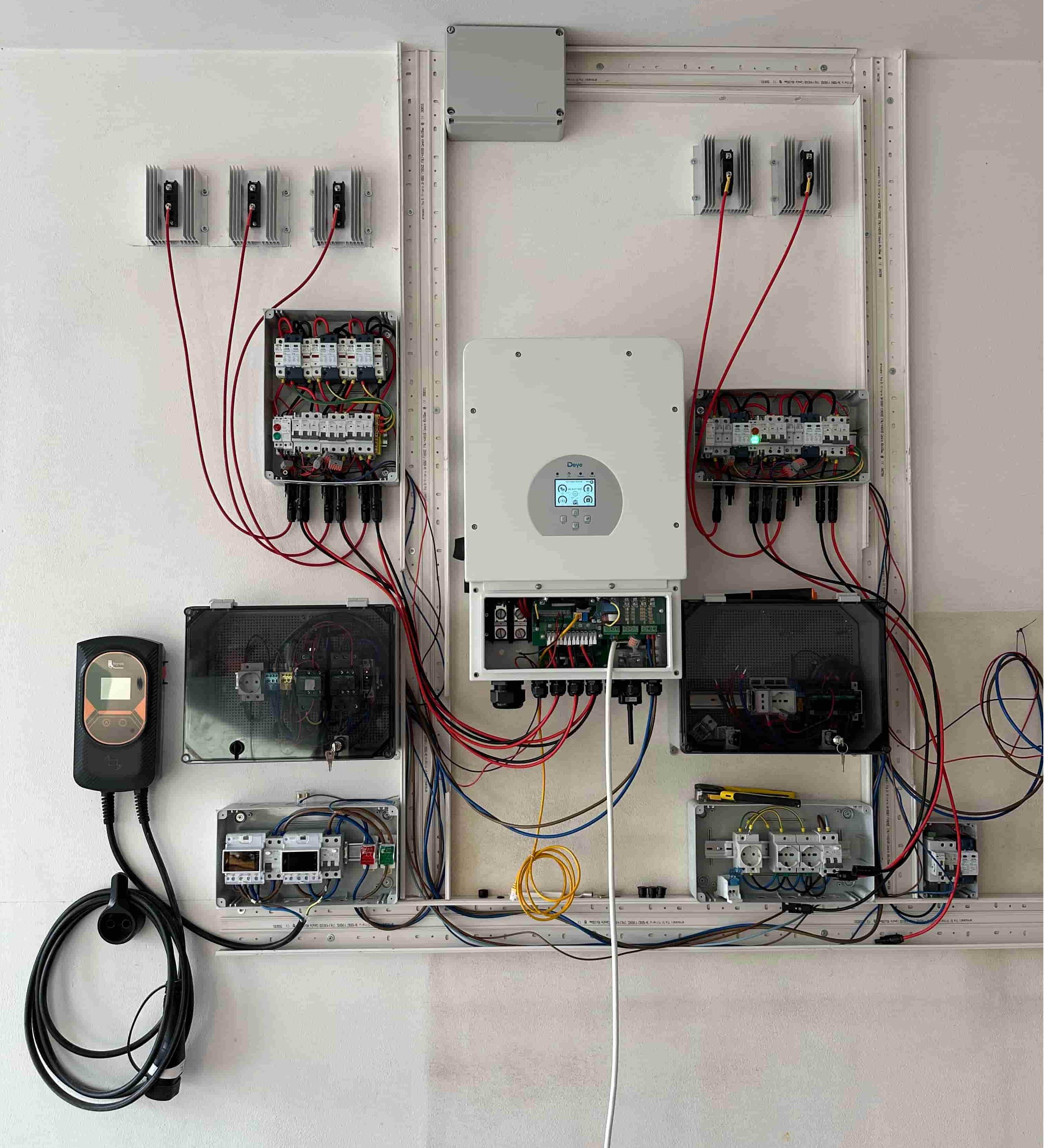
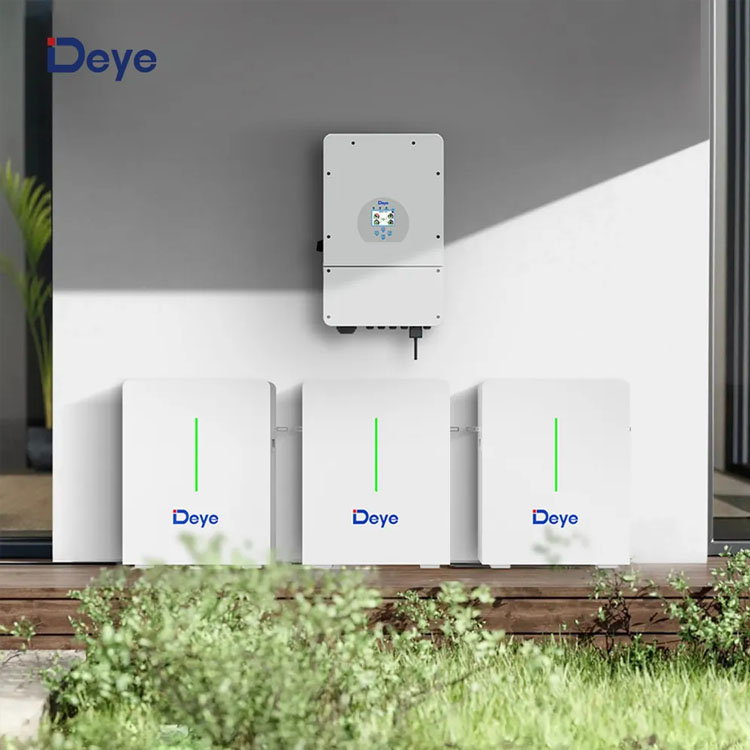
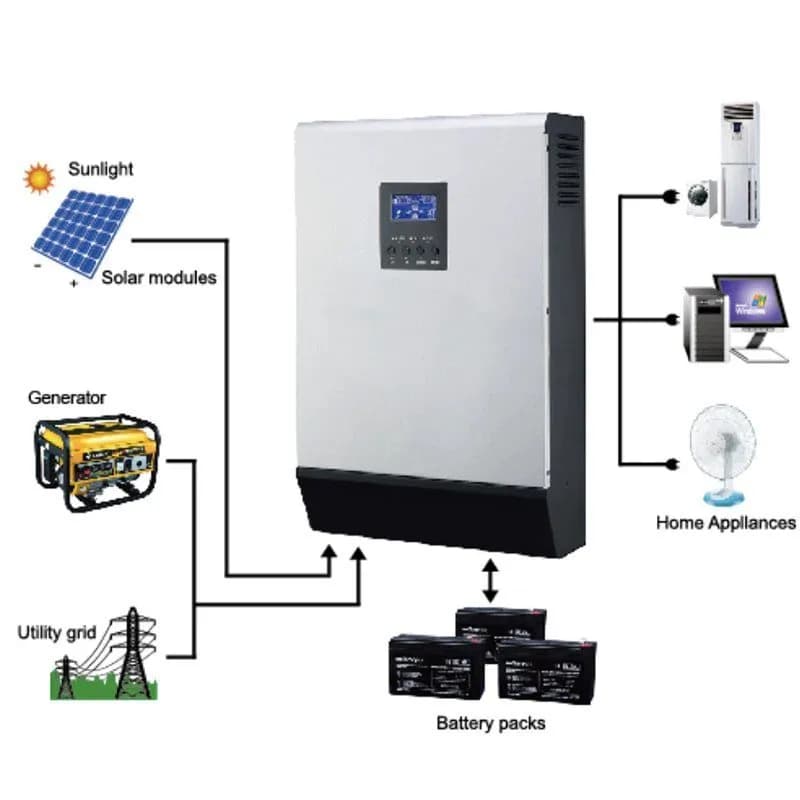
A hybrid inverter system consists of several key components that work together to optimize energy generation, storage, and distribution.
Solar Panels or Wind Turbines:
Renewable energy sources, such as solar panels or wind turbines, generate DC (direct current) electricity that serves as the primary power input for the system.
Battery Storage:
Batteries store surplus energy produced by renewable sources during periods of high generation. The stored energy can be used later when solar or wind power is unavailable, such as at night or during power outages.
Grid Connection:
The connection to the utility grid provides additional power support when renewable energy production and battery capacity are insufficient. It also allows excess electricity generated by the system to be exported back to the grid where applicable.
Hybrid Inverter:
As the core component of the system, the hybrid inverter intelligently manages energy flow between renewable energy sources, battery storage, household or commercial loads, and the utility grid. It ensures efficient power conversion and optimal energy utilization.
DC and AC Power Conversion
One of the key advantages of a hybrid inverter is its ability to manage both DC and AC power conversion. It converts DC electricity generated by solar panels or stored in batteries into AC electricity for household appliances, commercial equipment, or grid export.
At the same time, the hybrid inverter can convert AC electricity from the utility grid into DC power to charge batteries when required.
To achieve efficient energy conversion, hybrid inverters are typically equipped with advanced technologies such as MPPT (Maximum Power Point Tracking) controllers, which maximize energy harvesting from solar panels, and grid-tied inverter technology, which enables seamless interaction with the utility grid.
Operating Modes of a Hybrid Inverter
Hybrid inverters are designed with multiple operating modes to adapt to different energy conditions and user requirements.
Grid-Tied Mode
In grid-connected mode, the hybrid inverter synchronizes with the utility grid’s voltage and frequency. Solar energy is prioritized to power household or commercial loads, reducing reliance on grid electricity. When excess solar energy is available, the surplus power can be exported to the grid depending on local regulations and system configuration.
Off-Grid Mode
During a grid outage, the hybrid inverter can automatically switch to off-grid operation. It uses stored battery energy and available renewable energy generation to continue supplying electricity to essential loads, ensuring reliable backup power and improved energy resilience.
Battery Backup Mode
In backup mode, the hybrid inverter manages battery charging through available energy sources, including solar power and grid electricity. Keeping batteries sufficiently charged ensures a stable power supply during emergencies, peak demand periods, or times when renewable energy generation is limited.
Intelligent Energy Management
A hybrid inverter plays a central role in managing energy distribution within a solar energy system. It intelligently regulates power flow based on real-time factors, including electricity demand, battery charge level, and the availability of renewable energy generation.
By prioritizing the use of renewable energy whenever sufficient solar power is available, hybrid inverters help reduce dependence on grid electricity and lower overall energy costs. When solar production exceeds current energy consumption, the excess electricity can be stored in batteries for future use, exported to the utility grid where regulations allow, or directly supplied to connected loads.
Through intelligent energy scheduling and efficient power management, hybrid inverters help maximize renewable energy utilization while improving system efficiency and energy independence.
Smart Monitoring and System Control
Modern hybrid inverters are often equipped with advanced monitoring and control functions, enabling users to view system performance data in real time. Through mobile applications, web-based platforms, or energy management software, users can monitor key information such as solar power generation, electricity consumption, battery status, and grid interaction.
In addition, users can remotely adjust operating modes, configure energy preferences, and optimize system settings according to their specific needs. These intelligent control features allow homeowners and businesses to improve energy efficiency, enhance system reliability, and maximize the economic benefits of their solar and storage systems.
Advanced Safety Protection
Safety is a critical aspect of any renewable energy system, and hybrid inverters are designed with multiple protection mechanisms to ensure stable and reliable operation. Built-in safety functions such as overload protection, overvoltage protection, overcurrent protection, and short-circuit protection help prevent equipment damage and protect both the inverter and connected electrical devices.
These advanced protection features enable hybrid inverters to operate safely under different working conditions while improving the overall reliability and durability of solar energy and battery storage systems.
Conclusion: The Role of Hybrid Inverters in Modern Energy Systems
As the intelligent control center of a renewable energy system, a hybrid inverter plays a vital role in electricity flow between solar panels, battery storage, electrical loads, and managing the utility grid.
By efficiently controlling energy conversion, storage, and distribution, hybrid inverters help maximize renewable energy utilization, improve power reliability, reduce dependence on grid electricity, and optimize energy costs. With their flexible operating modes, intelligent monitoring capabilities, and advanced safety features, hybrid inverters have become an essential component of modern solar-plus-storage solutions.
Interested in our solar energy solutions or energy storage systems? Contact us today to discuss your project requirements. Our professional team will provide timely support, answer your questions, and help you find the most suitable energy solution for your needs.