

Photovoltaic Technology in Cold Climate: How Solar Storage Works in Winter
Cold climates often create doubts about solar energy adoption. Many homeowners in regions such as Russia and Eastern Europe ask:
Can photovoltaic technology still work efficiently during winter? Will solar batteries lose performance in freezing temperatures?
The answer is yes — with the right system design.
Modern photovoltaic technology, combined with high-efficiency solar modules, hybrid inverters, and temperature-controlled battery storage systems, can provide reliable electricity even in cold environments.
Does Photovoltaic Technology Work in Cold Weather?
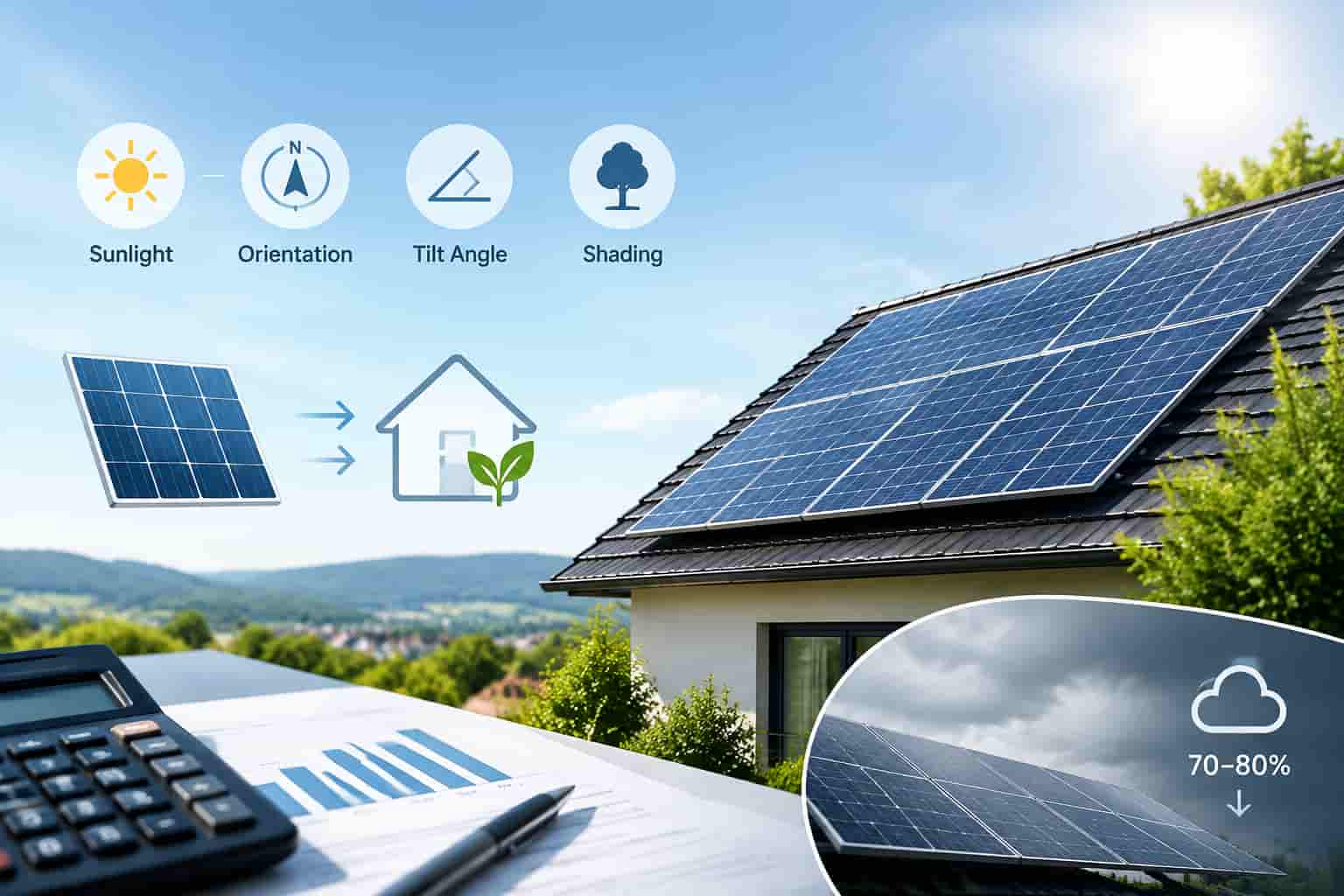
A common misconception is that solar panels perform poorly in winter. In reality, photovoltaic modules are affected more by sunlight availability than temperature.
Lower operating temperatures can improve solar module electrical performance because photovoltaic cells generate electricity more efficiently in cooler conditions.
According to the National Renewable Energy Laboratory (NREL), photovoltaic system performance modeling considers temperature as a key factor because PV module output changes with operating temperature. NREL provides PV performance models and climate-based solar analysis tools for evaluating photovoltaic systems in different environments.
Source: NREL Photovoltaic Research Data Tools
A 2025 study published by the National Laboratory of the Rockies analyzed long-term PV performance in cold and snowy climates. The research found that photovoltaic systems in cold regions can maintain reliable operation, with reported degradation rates averaging approximately 0.45% per year, showing that cold environments do not prevent long-term PV deployment.
Source: National Laboratory of the Rockies – Long-Term Photovoltaic System Performance in Cold, Snowy Climates
How Battery Storage Works in Winter Conditions
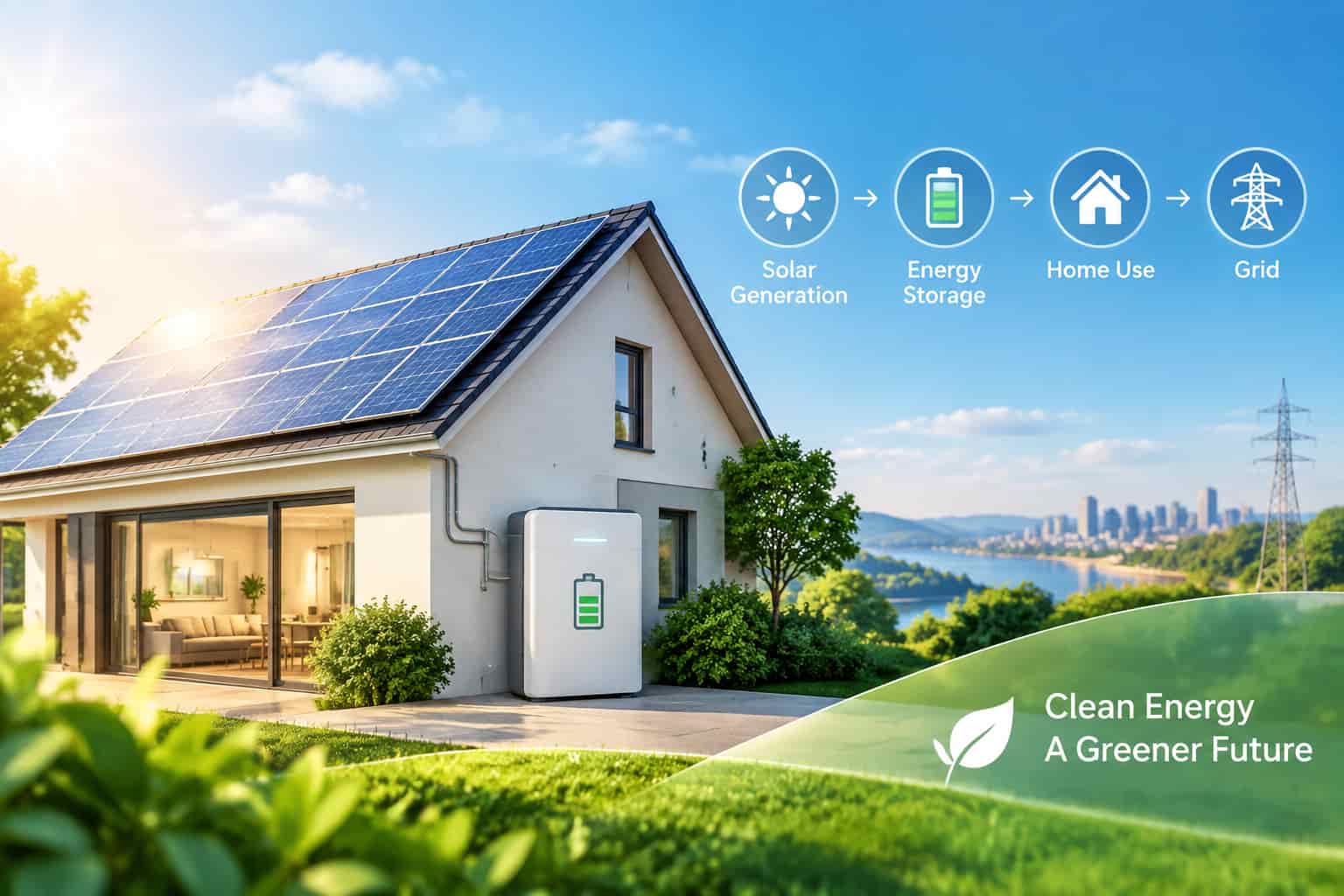
Solar generation is only part of the solution. In cold regions, a reliable solar battery storage system is essential to store excess energy and provide power during low sunlight periods or grid failures.
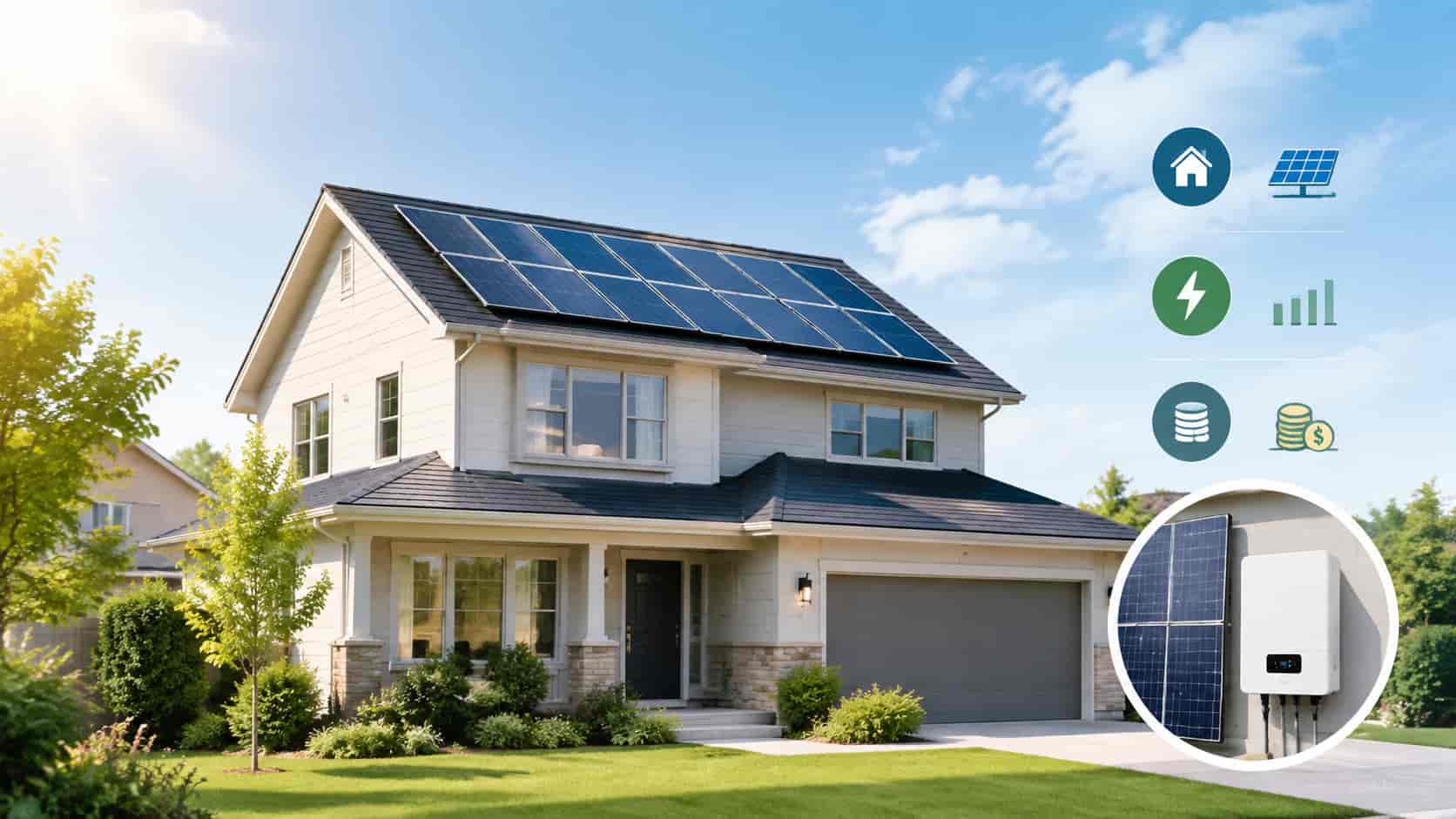
A complete winter solar system usually includes:
Photovoltaic modules
Hybrid inverter
Lithium battery storage system
Battery Management System (BMS)
Energy Management System (EMS)
The BMS continuously monitors:
Battery temperature
Charging current
Discharging status
Battery safety conditions
According to NREL’s System Advisor Model (SAM), battery performance analysis includes temperature effects and degradation models because operating conditions directly influence battery lifetime and efficiency.
Source: NREL Battery Storage Model
For cold climate applications, low-temperature lithium batteries with built-in heating functions can maintain stable charging performance even in sub-zero environments.
Hybrid Inverter: The Key Component for Winter Energy Security
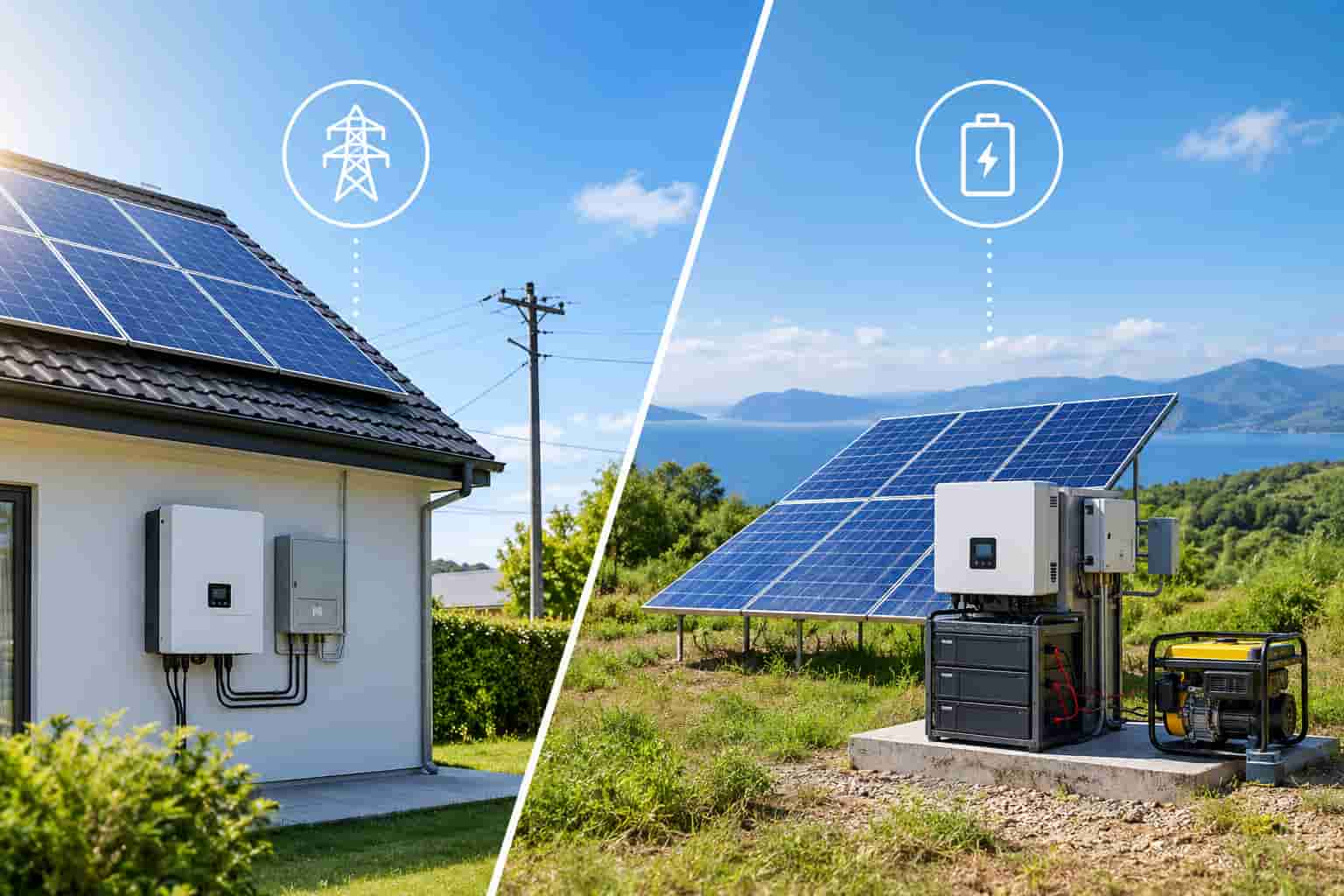
The hybrid inverter connects solar generation, battery storage, and household electricity loads.
During winter operation, the inverter manages:
Solar Priority Mode
Solar energy directly powers household appliances.
Battery Charging Mode
Excess solar electricity is stored for later use.
Backup Power Mode
When the grid fails, the inverter automatically switches to battery power.
According to the International Energy Agency (IEA), battery storage improves energy security by providing backup electricity during grid outages and supporting renewable energy integration. Battery systems are increasingly used for emergency power and grid flexibility applications.
Source: IEA –Batteries and Secure Energy Transitions
How Long Can Solar Battery Storage Provide Backup Power?
The backup duration of a photovoltaic energy storage system depends on battery capacity and household electricity consumption.
Typical residential examples:
| Battery Capacity | Average Load | Backup Time |
|---|---|---|
| 5 kWh | 500W essential loads | Around 10 hours |
| 10 kWh | 1kW essential household loads | Around 10 hours |
| 10 kWh | 2kW normal household loads | Around 5 hours |
| 20 kWh | 2kW household loads | Around 10 hours |
| 20 kWh + solar recharge | Energy-saving household operation | Several days |
According to NREL research, a 5kW photovoltaic system combined with a 20kWh battery storage system can provide approximately 35 hours of backup electricity without PV recharging under a 10kWh/day emergency electricity scenario. When additional solar generation is available for battery charging, backup capability can extend to approximately 4 days.
For cold climate regions such as Russia, a properly designed photovoltaic system with hybrid inverter and battery storage can maintain essential loads including lighting, refrigerator, internet equipment, and communication devices during grid failures.
Choosing the Right Solar Storage Solution for Cold Regions
For Russia and other cold climate markets, a reliable photovoltaic technology solution should include:
Designed with temperature protection and intelligent BMS management.
IP65 Solar Inverter
Provides protection against dust and water, suitable for harsh outdoor environments.
Outdoor ESS Cabinet
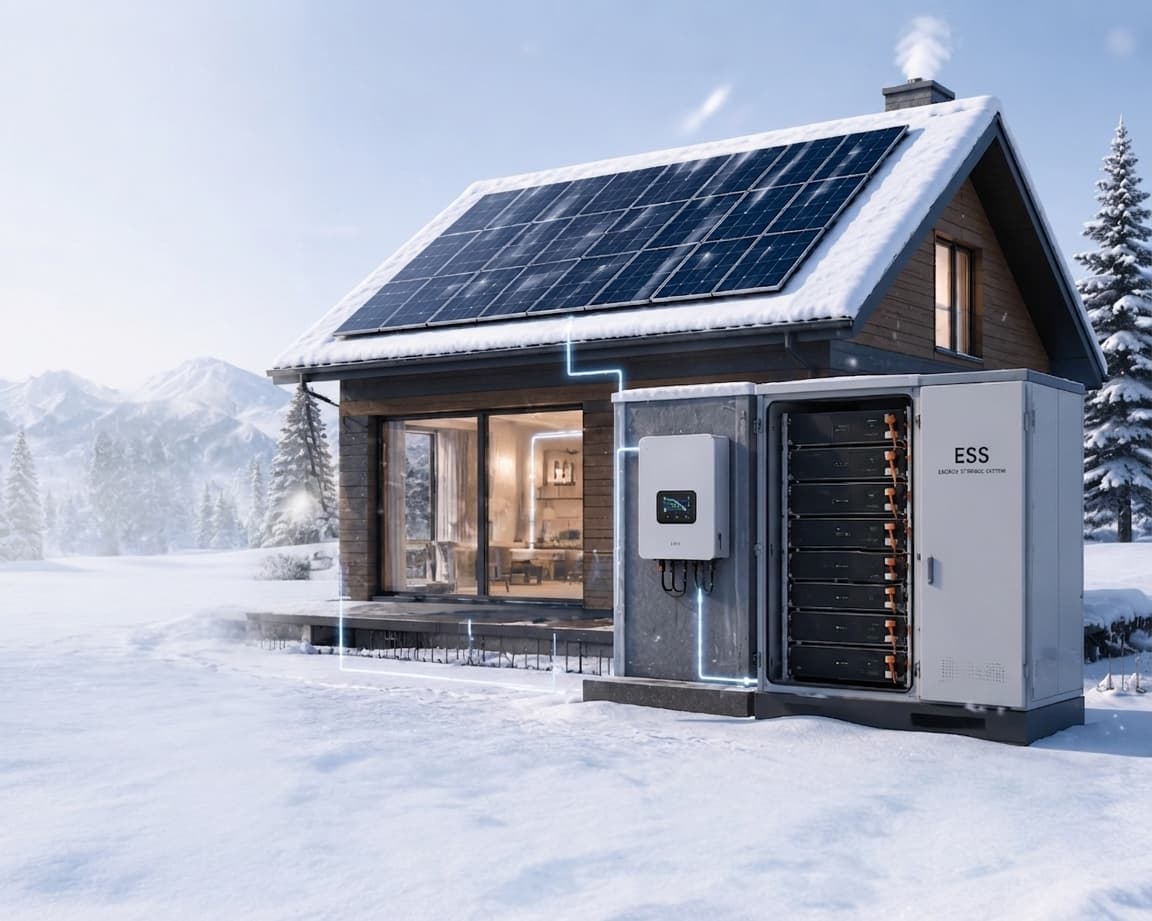
Integrates battery, inverter, and energy management components into one weather-resistant system.
A properly designed solar energy storage system allows users to reduce dependence on unstable grids, improve energy independence, and maintain electricity availability throughout winter.
With advanced photovoltaic technology, hybrid inverter solutions, and battery storage systems, cold climate regions can achieve reliable and sustainable energy security.