
Safety Precautions for Installing Solar Panels
When installing solar panels, ensuring the safety of workers and protecting equipment are essential. Solar installation involves electrical systems, high-altitude work, and heavy equipment, so following proper safety procedures can help prevent accidents and ensure a smooth installation process. The following are key safety precautions to consider:
I think you might also be interested in this article: What Is Involved in a Solar Panel Installation Process?
1. Personal Protective Equipment (PPE)
Insulating Gloves
Solar systems, especially battery storage systems, may involve high-voltage components. Always wear certified insulating gloves during installation and maintenance to reduce the risk of electric shock.
Insulated Tools
Use insulated screwdrivers, wrenches, and other electrical tools when connecting solar panels, batteries, controllers, and inverters. Properly insulated tools help prevent accidental contact with live components.
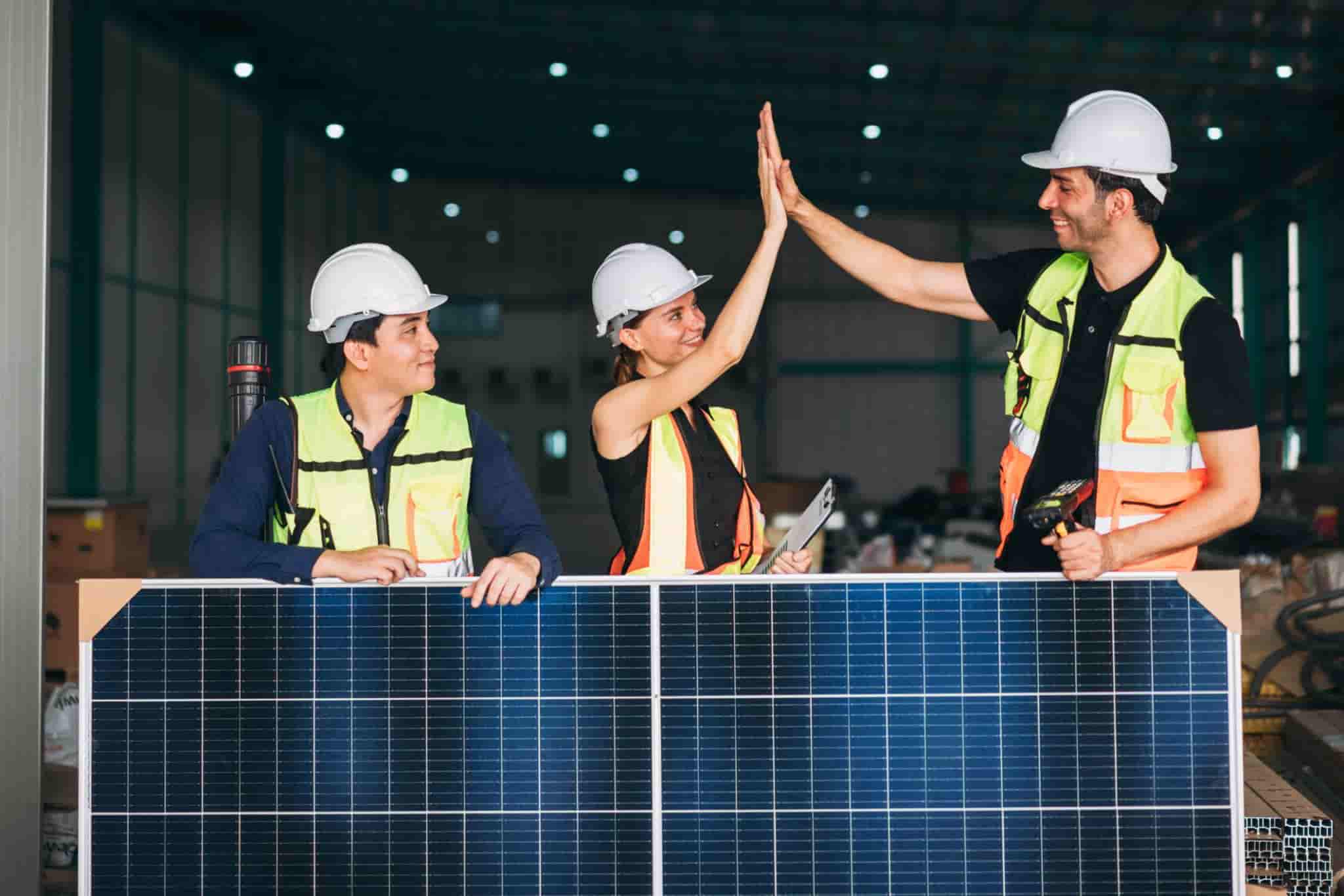
Safety Helmets and Protective Clothing
For rooftop installations or areas with potential falling hazards, workers should wear safety helmets, protective clothing, and appropriate safety gear to protect against impact and physical injuries.
Protective Glasses
Wear safety glasses to prevent dust, metal fragments, and other debris from entering the eyes, especially when drilling, cutting, or handling sharp materials.
2. Electrical Safety Precautions
Ensure Correct Wiring
When connecting solar panels, charge controllers, batteries, and inverters, always follow the correct wiring diagrams and polarity markings. Incorrect connections, such as reverse polarity or short circuits, may cause equipment failure, overheating, or fire hazards.
Prevent Electric Shock
Before performing electrical connections or maintenance, disconnect the power supply and verify that no voltage is present using appropriate testing equipment, such as a multimeter.
Perform Regular Inspections
Regularly check electrical connections, cables, and equipment for signs of loosening, damage, or aging. Replace defective components promptly to maintain system safety and reliability.
3. Safety During High-Altitude Operations
Use Proper Work Platforms
When installing solar panels on rooftops or elevated areas, use stable scaffolding, ladders, or lifting platforms to provide a secure working environment.
Wear Safety Harnesses
Workers performing high-altitude tasks should wear properly secured safety harnesses and ensure all fall protection equipment is reliable to reduce the risk of falls.
Avoid Stepping on Solar Panels
Never step directly on photovoltaic modules during installation. Excessive pressure can damage solar cells, reduce panel efficiency, or shorten the service life of the equipment.
4. On-Site Safety Management
Install Safety Warning Signs
Clearly mark the construction area with warning signs and restrict access to authorized personnel to reduce the risk of accidents.
Keep the Workplace Clean
Remove construction debris, packaging materials, and waste regularly. Keeping walkways clear helps prevent trips, slips, and other workplace injuries.
Follow Installation Standards
Always comply with local electrical regulations, construction standards, and manufacturer guidelines to ensure safe and professional solar installation.
5. Additional Safety Considerations
Fire Prevention
Avoid open flames, sparks, and unsafe tools during installation. Keep flammable materials away from the work area and ensure proper fire prevention measures are in place.
Prevent Mechanical Injuries
When using power tools or lifting equipment, ensure that all machinery is properly maintained. Operators should understand equipment functions and follow safety procedures.
Environmental Protection
During installation, properly handle waste materials and avoid environmental pollution. Responsible construction practices help protect the surrounding environment and support sustainable energy development.
By following these solar panel installation safety guidelines, installers can minimize risks, protect equipment, and ensure the long-term reliability and performance of solar energy systems.