

How to Choose the Right Solar Panel Size for Your Solar Energy System
When choosing a solar panel kit, understanding solar panel sizes is essential because panel dimensions directly affect system efficiency, installation space, and overall energy output. Selecting the right panel size helps ensure that your solar system can meet your energy needs while making the best use of available space.
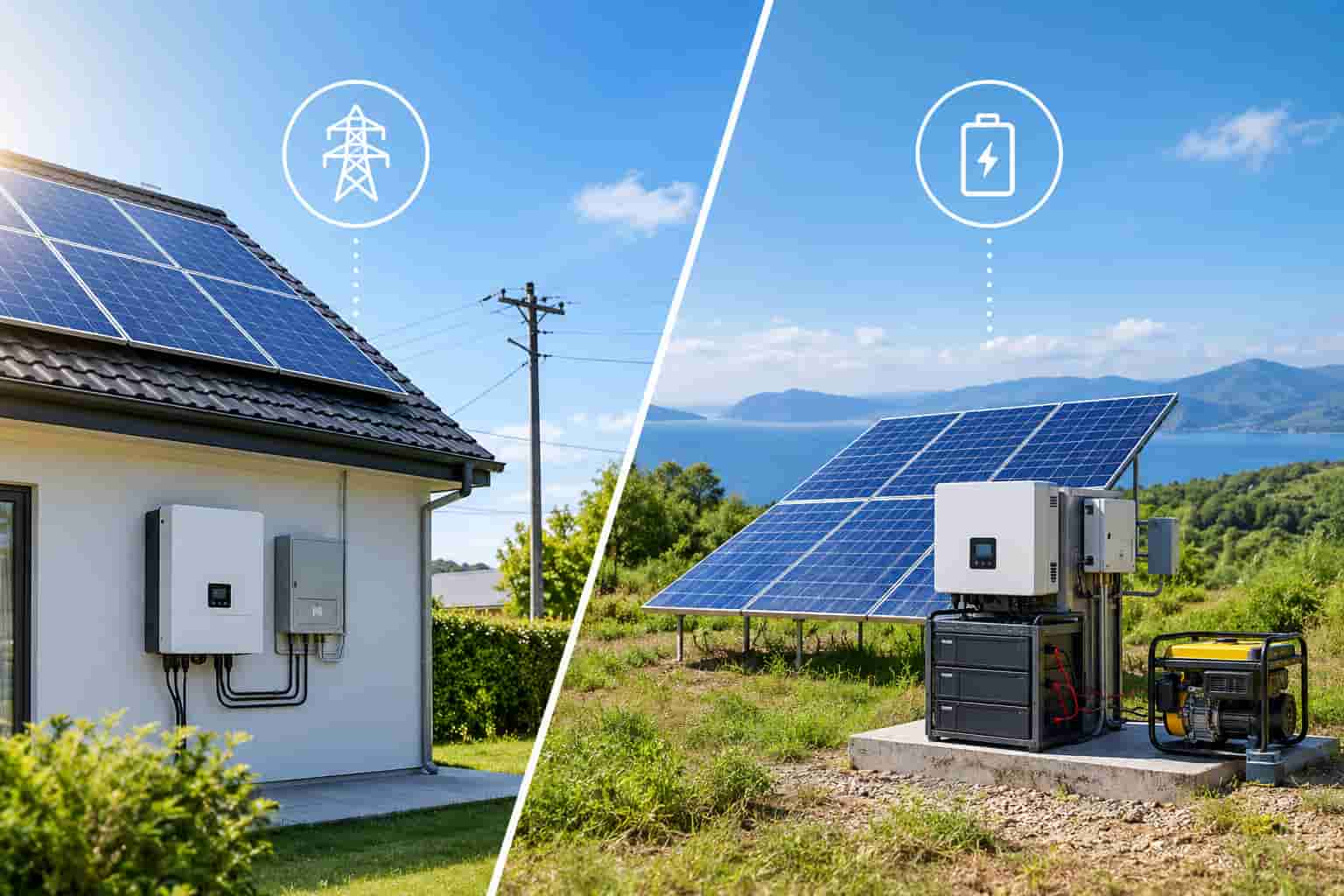
Whether you are planning a residential solar system, commercial project, or off-grid solar solution, different solar panels offer different advantages. Although residential and industrial solar panels can both be used in off-grid applications, their size, power capacity, and inverter compatibility should be carefully considered.
In this article, we will explore the key factors that determine solar panel sizes, common panel dimensions for different solar systems, and how to calculate the ideal solar system capacity based on your energy requirements.
We will also discuss important installation factors, including solar panel placement, tilt angle, and required installation area. Finally, MINVIC will share professional tips and recommendations to help you choose the most suitable solar panel size and build an efficient solar energy system.
What Factors Determine Solar Panel Size?
Choosing the right solar panel size is important for building an efficient and reliable solar energy system. The dimensions and power output of solar panels are influenced by several factors, including energy consumption, installation space, system type, and panel technology.
Before selecting a solar panel set, it is necessary to evaluate your electricity demand, available installation area, and the performance requirements of the solar system.
Standard Residential Solar Panel Sizes
For residential solar systems, 54-cell solar panels are among the most commonly used options. These panels usually have dimensions of around 1722 × 1134 mm, making them suitable for most home rooftop installations.
The ideal solar panel size depends on available roof space, household electricity usage, and the required system capacity to ensure sufficient energy production.
Solar Panel Sizing for Off-Grid Systems
Off-grid solar systems require careful sizing based on energy consumption, battery storage capacity, and user habits. Small off-grid systems typically use solar panels with a power output of 400 W or higher, while larger systems may require 10–15 panels or more.
Because off-grid systems must provide stable power throughout the year, especially during low-sunlight winter periods, battery capacity and inverter performance are key factors in determining the correct solar panel size.
Solar Panel Sizes for Industrial Systems
Industrial solar systems usually require larger and higher-power solar panels to meet greater energy demands. Panels with power ratings above 450 W are commonly used, with some models reaching sizes of approximately 2 square meters.
For large-scale installations, proper mounting structures, system layout, and shading control are essential to maximize energy generation and improve overall system efficiency
How Much Space Does a Residential Solar System Need?
Before installing a residential solar system, it is important to evaluate the available installation area, including rooftop space or other mounting locations. The required space depends on the solar panel size, system capacity, energy demand, and expected power generation.
The best solar panel system is one that matches the available installation space while delivering efficient and reliable energy output. Proper system sizing helps homeowners maximize solar energy production without wasting available space.
The Relationship Between Solar System Size and Installation Space
The average annual electricity consumption of a household in Hungary is approximately 2,560 kWh, which typically requires a 3–5 kW residential solar system under a net metering scheme.
Generally, a 1 kW solar system requires around 4.44–4.88 m² of solar panel area. Therefore, a 5 kW solar installation may need approximately 20–25 m² of available roof space.
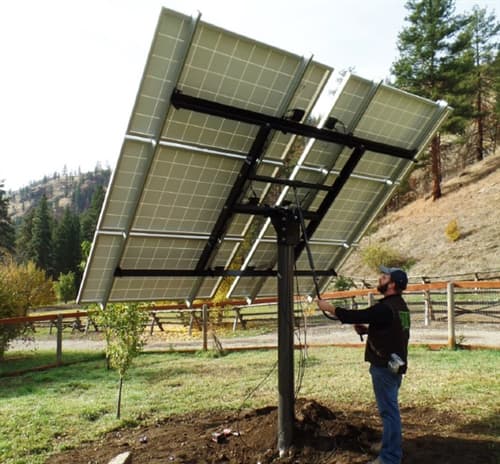
If the rooftop area is insufficient, homeowners can consider alternative installation solutions, such as ground-mounted solar structures, to achieve the required system capacity while maintaining optimal energy performance.
How to Calculate the Right Solar System Size?
Determining the correct solar system size requires evaluating several key factors, including:
- Annual electricity consumption (kWh) to estimate the required energy output
- Available installation area and rooftop conditions
- Solar panel efficiency and power rating (W)
- Inverter capacity and system compatibility
- Panel orientation, tilt angle, electricity usage patterns, and household consumption habits
Accurate solar system sizing ensures the system can meet energy requirements while maximizing efficiency and return on investment.
Solar Panel Orientation and Tilt Angle for Maximum Performance
Proper solar panel placement plays an important role in improving energy generation. The following factors should be considered during installation:
- Orientation – In Hungary, south-facing solar panels generally provide the best solar exposure and energy production.
- Tilt angle – A tilt angle of approximately 38° is considered optimal for maximizing annual solar output in Hungary.
- Shading conditions – Avoid installation areas affected by shadows from trees, chimneys, nearby buildings, or other obstacles, as shading can significantly reduce system performance.
What Solar Panel Sizes Are Best for Different Applications?
Choosing the right solar panel size depends on several factors, including energy requirements, available installation space, and the purpose of the solar system. MINVIC experts recommend selecting panels based on the specific needs of each application:
For Residential Solar Systems:
For most homes, 54-cell solar panels with dimensions of approximately 1722 × 1134 mm are a popular choice. These panels provide a good balance between power output, installation space, and compatibility with residential rooftop structures.
For Off-Grid Solar Systems:
For locations without access to the electricity grid, such as holiday homes, remote cabins, or farms, 400 W solar panels or higher are commonly recommended. When combined with battery storage, these systems can provide reliable and independent power supply.
For Industrial Solar Systems:
Large-scale applications, including factories, agricultural facilities, and commercial buildings, usually require solar panels above 450 W with dimensions exceeding 2 square meters. Although these systems need more installation space, they can deliver higher energy production for large electricity demands.
Before choosing solar panels, it is recommended to evaluate your energy consumption, installation conditions, and system requirements with professional guidance to ensure the best performance and efficiency.
FAQ
What size solar panels are suitable for home use?
For residential solar systems, 54-cell solar panels with dimensions of approximately 1722 × 1134 mm are commonly used. The best solar panel size depends on available roof space, household electricity consumption, and required system capacity.
How do you calculate the ideal solar system size?
The optimal solar system size is determined by several factors, including annual energy consumption, solar panel efficiency, installation area, panel orientation, tilt angle, and household energy usage habits.
What factors influence solar panel performance?
Solar panel efficiency is affected by multiple conditions, including panel orientation, tilt angle, shading, and local weather conditions. In Hungary, a south-facing installation with an approximately 38° tilt angle can help achieve better annual energy production.
How much roof space is required for a 5 kW solar system?
A typical 5 kW solar system uses around 12–15 solar panels with a power output of 400 W each, requiring approximately 20–25 m² of roof space. If rooftop space is limited, a ground-mounted solar structure can be considered as an alternative installation option.
Where can I purchase a suitable solar system?
MINVIC provides a wide range of solar panels, inverters, and mounting systems to help customers design and build an efficient solar energy solution based on their specific energy needs and installation conditions.