


How to Choose the Right Solar Panel Mounting System
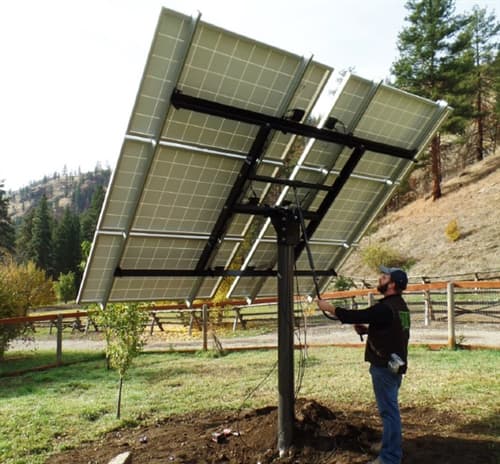
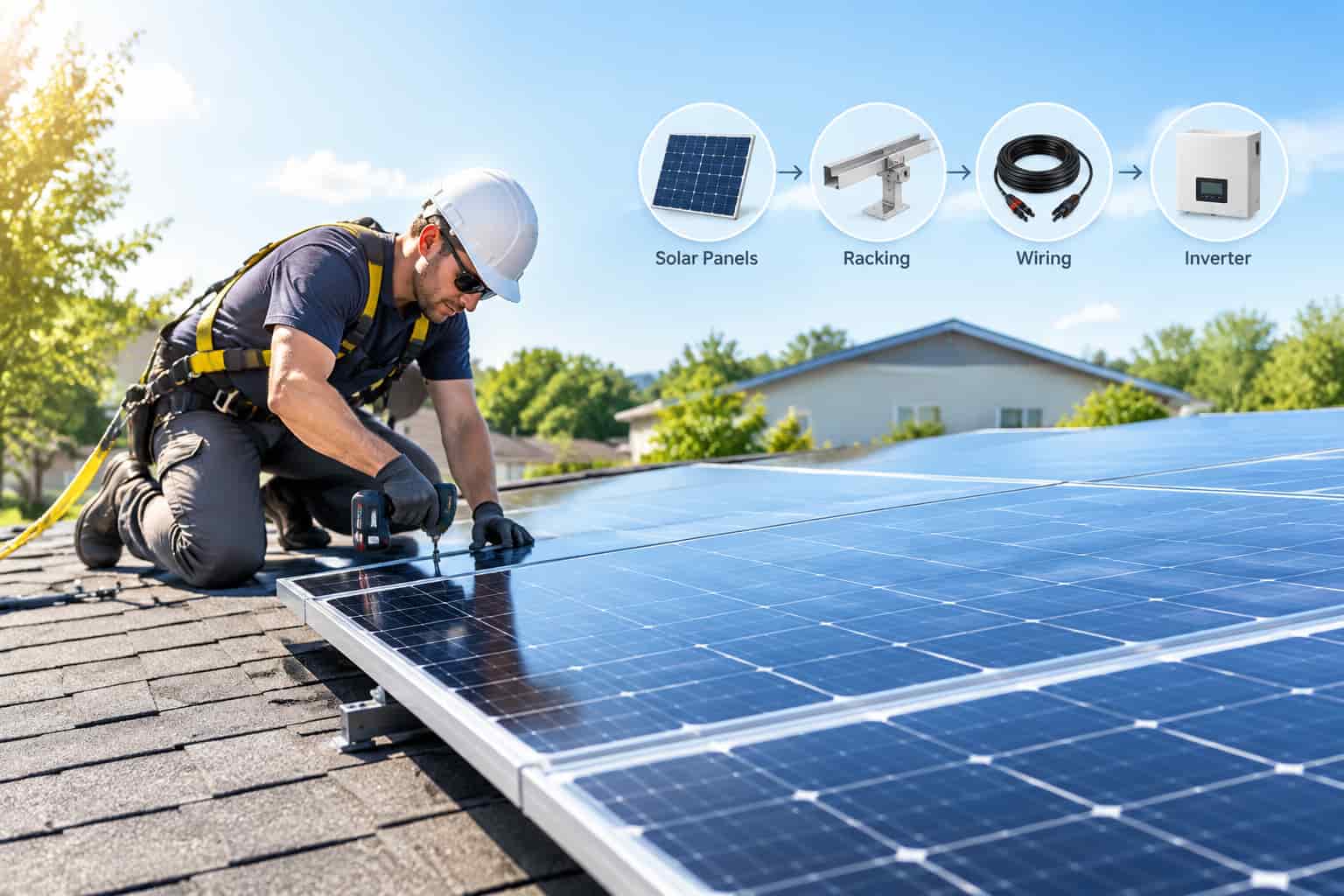
Choosing the right solar panel mounting structure is essential for maximizing solar system performance, whether the installation is on a roof, carport, or ground. Factors such as local weather conditions and building structure play a key role in selecting a suitable mounting solution and ensuring system efficiency.
Understanding the installation site, including the building type and local climate, is crucial, as these factors directly affect solar system performance. Careful selection of the PV mounting structure helps ensure it matches the site conditions and supports the success of the solar project.
Choosing a Solar Mounting Structure: Key Factors to Consider
Aluminium Temper and Tensile Strength
Aluminium temper refers to the treatment process used to achieve specific properties in an aluminium alloy. There are five main temper designations, identified by suffixes added to the alloy designation, with “T” indicating heat-treated aluminium.
The tensile strength of aluminium is determined through a process known as ageing, which involves further strengthening the material in an oven at specific temperatures for a set period.
Aluminium tensile strength grades range from T0 to T6:
T0 – Aluminium in its as-extruded condition, immediately after shaping.
T4 – Offers medium to low tensile strength and is suitable for forming without surface damage. T4 aluminium naturally gains strength after fabrication, while further increases in tensile strength require controlled ageing.
T5 – Provides medium strength, approximately 25–35% higher than T4.
T6 – Offers the highest strength, approximately 25–35% higher than T5.
Aluminium Alloys
An aluminium alloy is a material in which aluminium is the primary metal, combined with elements such as copper, magnesium, manganese, silicon, tin, nickel, and zinc. Aluminium alloys are produced by melting aluminium and adding other elements to form a uniform solid solution. These alloys offer low density, high electrical and thermal conductivity, and corrosion resistance in certain environments.
The chemical composition of an aluminium alloy affects its tensile strength. Therefore, each aluminium product should specify the alloy type used in its composition.
Mounting Structure Metal Finishes
Aluminium used in solar mounting structures is available in several types of finishes::
Anodized Aluminium: Undergoes an electrochemical treatment to create a decorative, durable, and corrosion-resistant surface.
Mill Finish Aluminium: Has a raw, unpolished, and untreated surface, offering better electrical and thermal conductivity than anodized aluminium.
Powder-Coated Aluminium: Features a polyester- or epoxy-based powder coating that provides a coloured surface finish.
Comparing Aluminium Rail Components
When comparing two aluminium rails for solar mounting structures, start by evaluating the price per running metre. Next, compare the actual cost per running metre, accounting for differences in rail length and ensuring that the total cost is clearly disclosed rather than only the average price per metre. Finally, consider the weight per running metre. Heavier rails generally contain more material and may offer greater tensile strength, depending on their shape and design.
Differences in tensile strength, particularly between T5 and T6 aluminium rails, can also affect mechanical performance. Depending on the rail's shape and dimensions, the strength difference is typically around 25–35%.
Bracket Fixing Considerations
When comparing solar mounting structures, ensure that the number of fixing brackets and components per running metre is comparable, regardless of the rail's tensile strength. Assess the tensile strength of each bracket and component, as T5 aluminium's lower strength may require additional components to achieve equivalent performance.
When comparing T5 and T6 aluminium rails, consider that many imported products from Asia use T5 aluminium, which generally offers lower mechanical strength and performance than T6 alternatives.
Imported Solar Mounting Structures
There is a common misconception that solar mounting solutions designed in countries such as those in Europe are inherently superior in quality. However, the key consideration is whether the mounting solution is suitable for local conditions.requires integrating the mounting structure with the existing roof and accounting for the technical characteristics of its substructure.
For example, European roofs are designed to withstand snow loads and typically feature larger, closely spaced structural supports, such as beams and purlins, to provide greater stability. In contrast, metal roof sheeting in South Africa is generally thinner, measuring around 0.4–0.5 mm, compared with approximately 1.5 mm on average in Europe.
Rail Splicing
Rail splicing is another important factor to consider when selecting a solar mounting structure. It involves joining rails to extend their overall length. At splice points, the supporting brackets should be positioned closer together than the standard spacing used along a continuous rail. The required bracket spacing depends on the type and size of the rail, as well as its mechanical support requirements and tensile strength.
Bimetallic Corrosion
It is essential to consider bimetallic corrosion, also known as galvanic corrosion. This process occurs when two different metals come into contact in the presence of a corrosive electrolyte, such as moisture and oxygen. One metal acts as the anode and corrodes more rapidly, while the other acts as the cathode and is protected from corrosion.
Corrosion is often most severe at the joint between the two metals. Its rate depends on the difference in electrical potential between the metals and the conductivity of the electrolyte.
For rooftop solar mounting structures, stainless steel and aluminium are commonly used to help minimise corrosion risks. However, caution is necessary when selecting materials. Some suppliers offer galvanised rails and components, which can accelerate galvanic corrosion when used with aluminium. These materials may therefore be unsuitable for rooftop applications, particularly on metal roofs.
Railed vs. Rail-Less Solar Mounting Structures
When selecting between railed and rail-less solar mounting structures, installers and customers should consider the specific requirements of the project. Railed systems support solar panels using full-width rails, while rail-less systems secure panels at four points on the supporting frame.
It is important to understand that rail-less installations require the roof substructure and sheeting to meet specific load-bearing requirements and prevent excessive deflection. This mounting solution is suitable for roofs with sufficient structural strength to support the loads without bending excessively.
Considerations Beyond Solar Mounting Hardware Costs
One common mistake made by installers and end customers is comparing solar mounting structures based solely on hardware costs. This approach overlooks other important factors that contribute to the total project cost, particularly for large-scale installations.
1. Product Availability: Product availability affects on-site waiting time and may result in penalties if the project has strict deadlines.
2. Transportation Costs: Differences in the overall size of mounting solutions can affect product transportation costs.
3. On-Site Installation Time:The time required to install the mounting structure is a key factor in determining the overall project cost.
4. Solution Versatility: A versatile mounting solution can accommodate on-site obstacles and changes without compromising the final installation or system performance. Using a minimal number of components across different applications is also important.
5. Mounting Solution Flexibility: Easy access to locally available fixing components is essential. If specific components can only be obtained from certain suppliers and are not readily available in the local market, changes in site conditions or supply shortages may lead to additional costs and installation difficulties.
6. Standard Components for Non-Standard Installations: Many imported mounting solutions are designed to accommodate only two or three roof types, whereas the South African market has nearly 17 roof types in use. The ability to support a wide range of roof types is therefore essential for successful solar installations.
Conclusion
Choosing the right solar mounting structure is essential for a successful installation and requires careful evaluation of several factors. From panel orientation and available space to structural integrity and local site conditions, each factor affects overall solar system performance. In addition to hardware costs, material compatibility, bimetallic corrosion, and the differences between railed and rail-less mounting systems must also be considered. Installers and end customers should evaluate more than the initial price, taking product availability, transportation costs, and installation time into account.
By selecting a mounting structure that suits the site conditions and addressing these key considerations, solar projects can achieve long-term reliability, durability, and optimal performance. Consulting industry experts can help ensure an informed decision and a solar mounting solution built to last.