

What Can You Run on a 1000 Watt Inverter?
Introduction
As renewable energy becomes increasingly popular, inverters have become an essential component of solar power systems, backup power solutions, and off-grid applications. A power inverter converts DC electricity from batteries or solar storage systems into usable AC power for household appliances and electronic devices.
A common question among homeowners, RV users, and off-grid enthusiasts is: What can you run on a 1000 watt inverter?
A 1000W inverter can support many everyday devices, including small appliances, electronics, lighting systems, and emergency equipment. However, understanding power ratings, startup surges, and total energy consumption is important to prevent overload and ensure reliable operation.
What Can a 1000 Watt Inverter Power?
A 1000 watt inverter can provide up to 1000 watts of continuous AC power, making it suitable for low to medium-power devices. The actual appliances you can run depend on their rated power consumption and startup requirements.
Before connecting devices, always check:
- Continuous power rating: The amount of power a device uses during normal operation.
- Peak or surge power: The temporary extra power required when some appliances start, especially motors and compressors.
If the combined power consumption stays within the inverter’s capacity, multiple small devices can operate simultaneously.
1. Small Household Appliances
A 1000 watt inverter can efficiently operate many low-power household appliances commonly used in daily life.
Examples include:
- Smartphones and tablet chargers
- Laptop computers
- Cameras
- LED lights
- Small fans
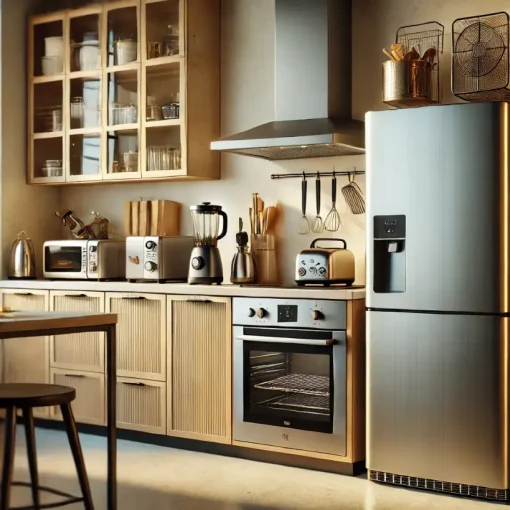
- Low-power kitchen appliances
- Small blenders
- Portable electronics
Most modern electronic devices consume significantly less than 1000 watts, making them suitable for home backup systems, camping setups, and mobile applications.
For example:
| Device | Approximate Power Consumption |
|---|---|
| Laptop | 25–150W |
| Phone charger | 5–30W |
| LED light | 5–25W |
| Small fan | 20–100W |
| Camera charger | 10–50W |
2. Entertainment Devices
A 1000W inverter can also support common entertainment equipment, making it useful during power outages or outdoor activities.
Compatible devices may include:
- LED televisions
- Gaming consoles
- DVD players
- Audio systems
- Streaming devices
Modern entertainment equipment generally has relatively low power consumption. For example, many LED TVs operate between 50W and 150W, leaving enough capacity for additional small electronics.
However, when running multiple devices at the same time, always calculate the total wattage to avoid exceeding the inverter’s rated output.
3. Lighting Systems
Lighting is one of the easiest applications for a 1000 watt inverter.
LED lighting systems are especially suitable because they provide strong illumination while consuming very little electricity.
For example:
- A 10–25W LED bulb can run for extended periods.
- Multiple LED lights can operate together without placing significant stress on the inverter.
This makes a 1000W inverter a practical solution for:
- Emergency home lighting
- Outdoor activities
- Cabins
- Off-grid buildings
4. Emergency Backup Power
One of the most common uses of a 1000 watt inverter is emergency backup power.
During power failures, the inverter can keep essential devices running, such as:
- Wi-Fi routers
- Mobile phone chargers
- Laptops
- Small refrigerators
- Communication equipment
For households that need temporary backup electricity, a properly sized battery and inverter system can provide reliable power for essential loads.
5. Medical Equipment Support
Some low-power medical devices may work with a 1000 watt inverter, especially during emergencies.
Examples include:
- CPAP machines
- Nebulizers
- Portable medical monitors
However, medical equipment requirements vary by model. Users should always check the manufacturer’s power specifications before connecting medical devices to an inverter.
6. Small Tools and Equipment
A 1000 watt inverter can also operate some lightweight tools, especially those without high startup requirements.
Possible applications include:
- Battery chargers
- Small drills
- Electronic repair tools
- Portable workshop equipment
However, motor-driven tools may require additional surge capacity when starting. Always check both running watts and startup watts before operation.
Appliances You Should Be Careful With
Although a 1000 watt inverter is versatile, some high-power appliances may exceed its limits.
Common high-energy devices include:
| Appliance | Typical Power Range |
|---|---|
| Refrigerator | 350–800W (higher startup surge possible) |
| Washing machine | 500–1000W |
| Microwave | 600–1200W |
| Coffee maker | 600–1200W |
| Hair dryer | 900–1600W |
| Electric heater | 800–1500W |
The main challenge is not only continuous power consumption but also startup surges. Appliances with heating elements, compressors, or motors often require more power when starting.
For example, a refrigerator may normally consume less than 1000W but require significantly higher startup power for a short period.
Tips for Using a 1000 Watt Inverter Efficiently
1. Check Appliance Wattage Before Connecting
Always confirm the power requirements of each device.
A simple calculation:
Total Load = Device 1 Watts + Device 2 Watts + Device 3 Watts
For example:
- Laptop: 80W
- LED lights: 40W
- Wi-Fi router: 20W
Total consumption:
80W + 40W + 20W = 140W
This load is safely within a 1000 watt inverter’s capacity.
2. Avoid Running Multiple High-Power Appliances Together
Small electronic devices can usually operate simultaneously, but combining several high-power appliances may overload the inverter.
A better approach:
- Run several low-power devices together.
- Avoid operating multiple heavy loads at the same time.
3. Consider Battery Capacity
The inverter output determines how much power you can use, while battery capacity determines how long the system can operate.
A larger battery bank provides:
- Longer backup time
- Better system stability
- Reduced battery stress
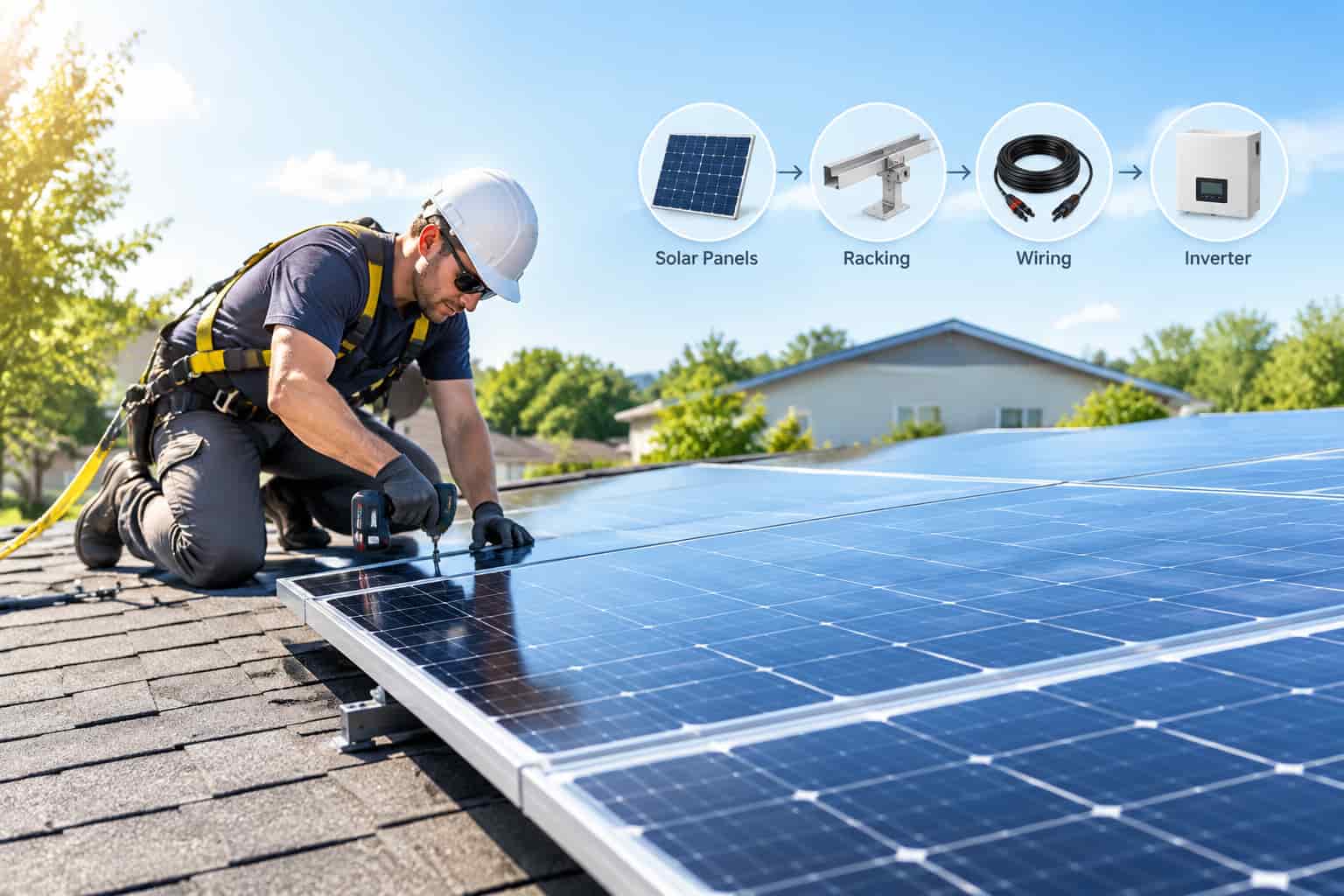
For solar applications, inverter size, battery capacity, and solar panel output should be properly matched.
Frequently Asked Questions
Can a 1000 watt inverter run a refrigerator?
Yes, but it depends on the refrigerator type and startup surge requirements.
A small refrigerator or mini fridge may work well with a 1000W inverter. However, larger refrigerators can exceed the inverter’s surge capacity when the compressor starts.
Can a 1000 watt inverter run a microwave?
A microwave may work in some cases, but it can be challenging.
Many microwaves require 700–1200W during operation and may have higher startup demand. A 1000W inverter may not provide enough surge power for reliable performance.
Can a 1000 watt inverter run a TV?
Yes. Most modern LED TVs consume between 50W and 150W, making them suitable for a 1000 watt inverter.
You can often run a TV together with other small devices, provided the total power remains below the inverter’s capacity.
Conclusion
A 1000 watt inverter is a practical power solution for many everyday applications, including home backup, camping, RV systems, and small off-grid setups.
It can efficiently run:
- Small electronics
- LED lighting
- Entertainment devices
- Communication equipment
- Low-power appliances
However, selecting the right inverter requires careful consideration of continuous power, surge capacity, battery size, and appliance requirements.
By understanding your energy needs and managing your loads properly, a 1000 watt inverter can provide reliable and efficient power wherever electricity is needed.