

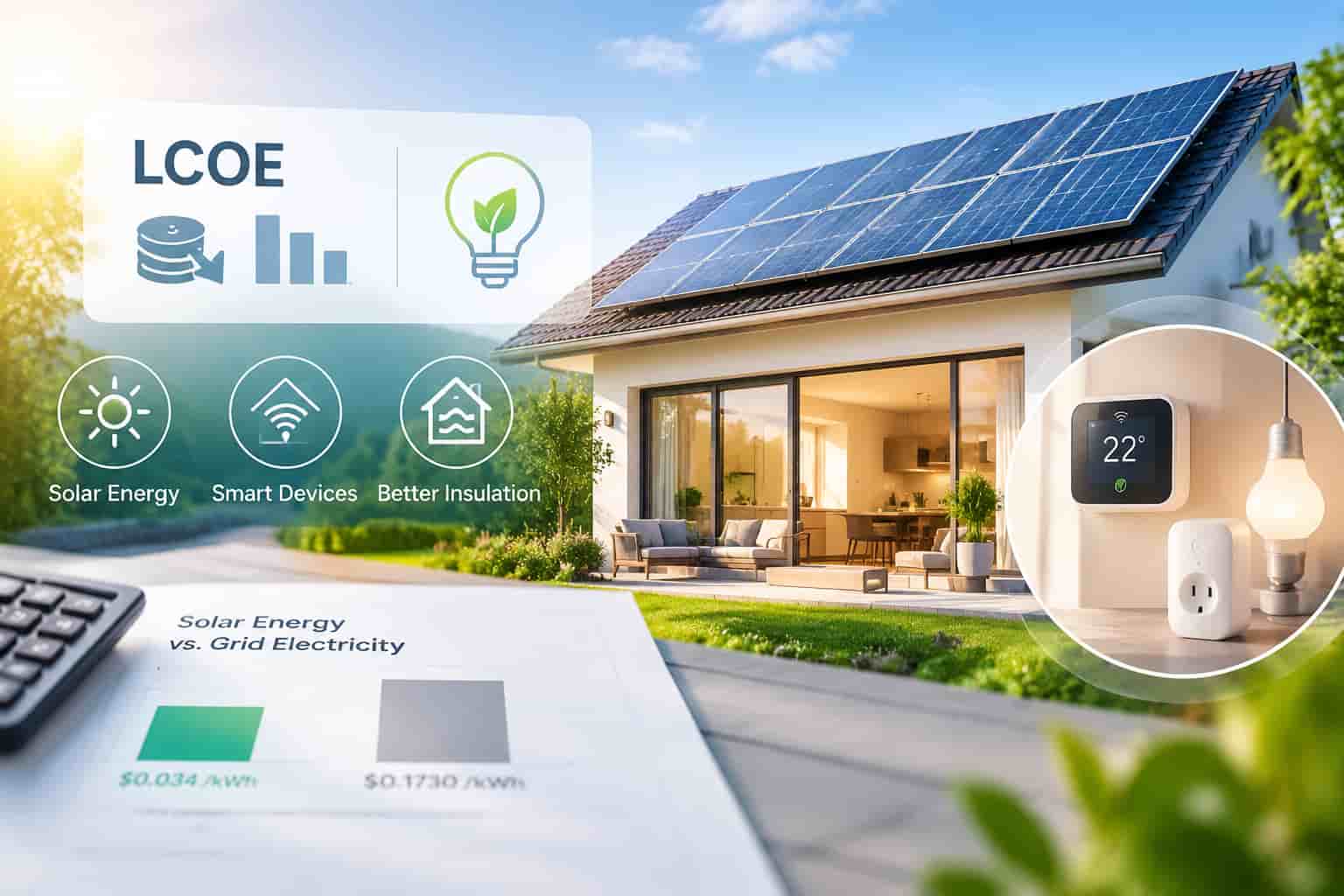
Why Solar Energy Storage Is Essential for a Sustainable Future
As renewable energy continues to expand worldwide, solar power has become one of the most widely adopted clean energy solutions. However, generating solar electricity is only part of the challenge — effectively managing and using that energy when it is needed most has become increasingly important.
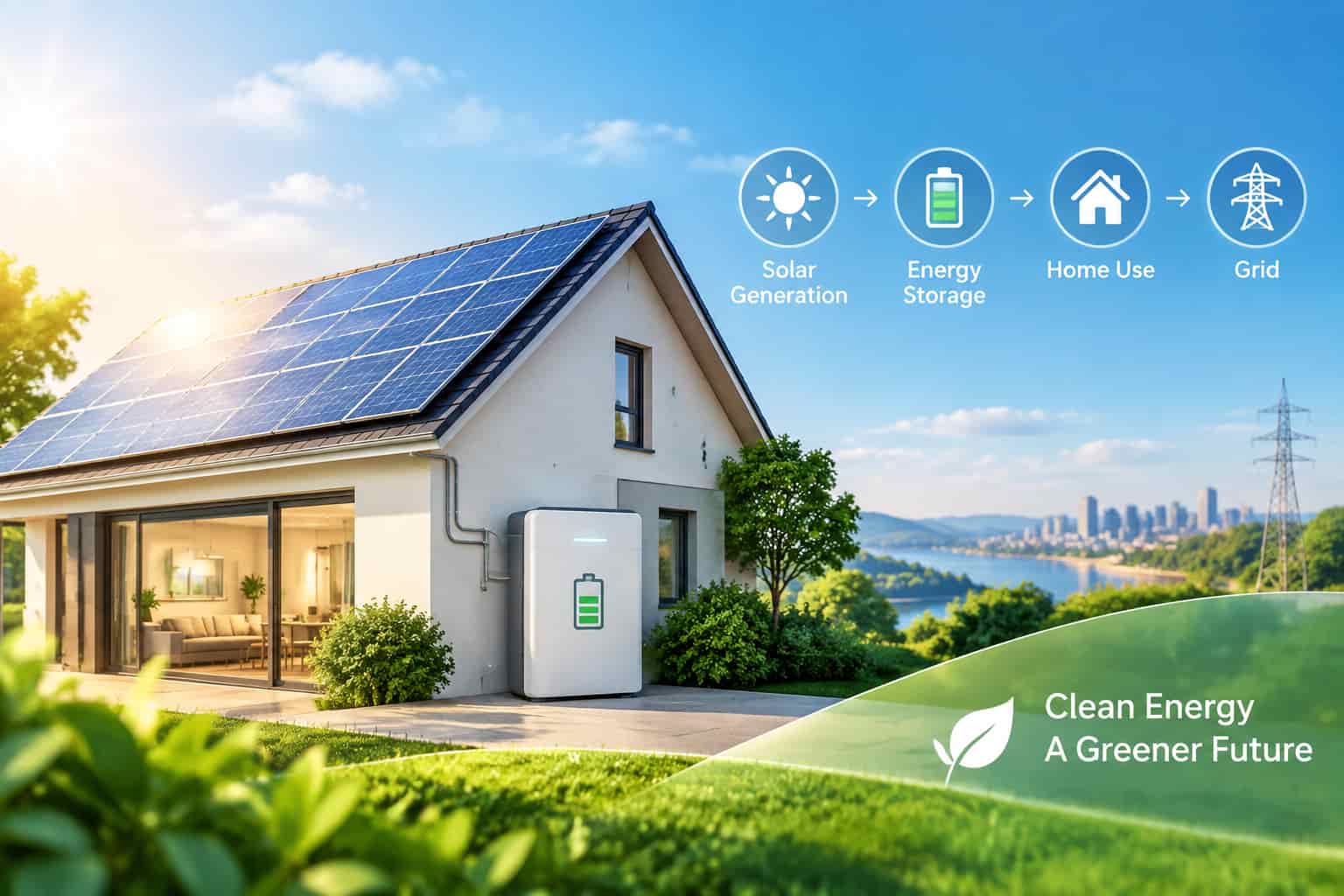
Solar energy storage systems provide a practical solution by allowing excess electricity generated during sunny periods to be stored and used later. Rather than relying solely on real-time solar production, homeowners and businesses can optimize energy usage, improve energy independence, and maximize the value of their solar investment.
Energy storage is not only a matter of convenience. It plays a critical role in building a more sustainable, cost-efficient, and environmentally friendly energy future.
When Should Solar Storage Be Recommended?
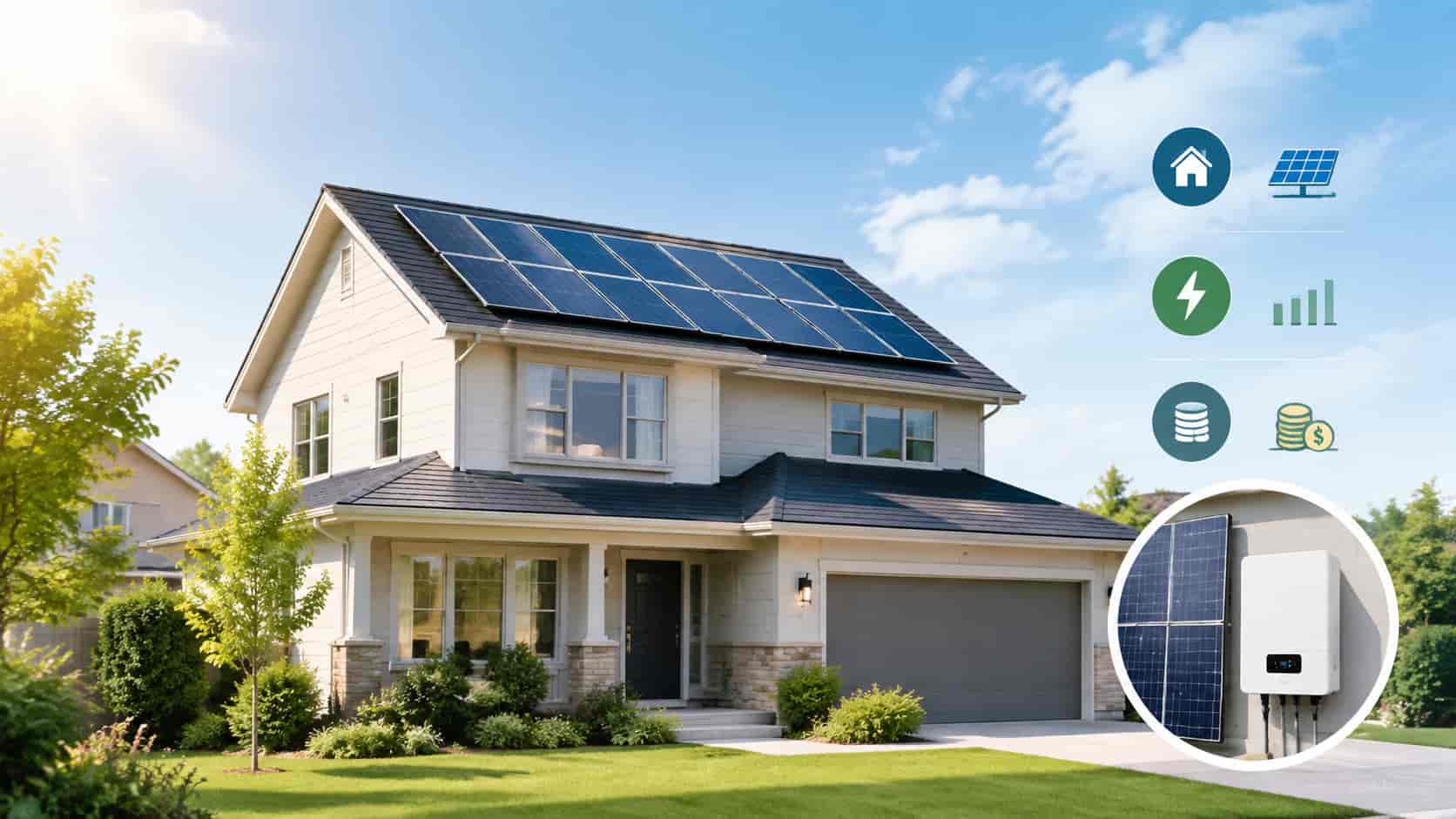
Solar battery storage is most valuable when solar generation and household electricity consumption do not happen at the same time. For example, many homes produce the most solar energy during the day when residents are away and electricity demand is low. Without storage, excess power may be sent back to the grid or remain unused. A battery system allows this surplus energy to be stored and used in the evening or at night when solar production decreases.
Energy storage is especially recommended in the following situations:
- Mismatch between solar production and energy consumption: When excess electricity is generated during the day but household demand increases in the evening.
- High electricity costs: When grid electricity prices are high, using stored solar energy can help reduce energy bills.
- Need for energy independence: When customers want greater control over their power supply or protection against outages.
- Favorable policies and incentives: When local regulations, subsidies, or energy pricing structures support solar-plus-storage solutions.
By integrating battery storage with solar systems, customers can increase their self-consumption rate, lower dependence on grid electricity, and achieve a more reliable and sustainable energy solution. Solar storage is not just an energy backup option—it is a key technology for building a cleaner and more efficient energy future.
Balancing Solar Energy Production and Consumption for a Sustainable Future
One of the main challenges of solar power systems is the mismatch between energy generation and consumption. Solar panels often produce the most electricity during daylight hours, while household and business demand may be higher in the evening. When excess solar energy is not immediately used, it must either be exported to the grid or stored for later use.
Energy storage systems solve this challenge by bridging the gap between solar production and electricity demand. By storing surplus energy and releasing it when needed, battery storage improves energy efficiency, increases solar self-consumption, and supports a more sustainable energy future.
Energy storage also contributes to a more stable and balanced power grid. Reducing the immediate flow of excess electricity back to the grid helps lower grid pressure, minimize energy losses, and improve overall system efficiency. As distributed energy generation continues to expand, residential solar storage systems and commercial & industrial battery storage solutions will become increasingly important components of modern energy management.
Energy Storage ROI: When Does the Investment Pay Off?
One of the key considerations when investing in an energy storage system is the expected return on investment (ROI). While solar panels can generate clean electricity efficiently, adding battery storage can further improve financial benefits by saving excess energy for later use—especially during periods when grid electricity prices are higher.
The economic value of energy storage mainly depends on three factors:
- System size and energy consumption patterns
The larger the gap between solar generation and electricity demand, the greater the potential savings from storing surplus energy.
2. Battery performance and lifespan
Advances in lithium-ion technology continue to reduce costs while improving battery efficiency, durability, and cycle life.
3. Government incentives and energy policies
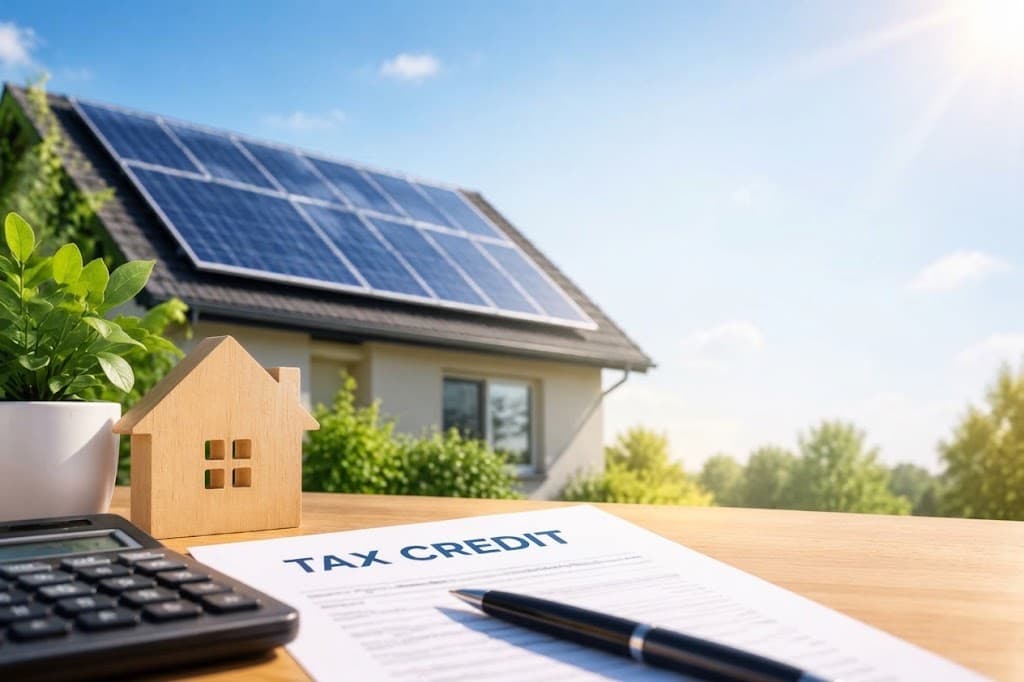
Subsidies, tax benefits, and support programs can significantly improve the financial return, particularly for commercial and industrial users.
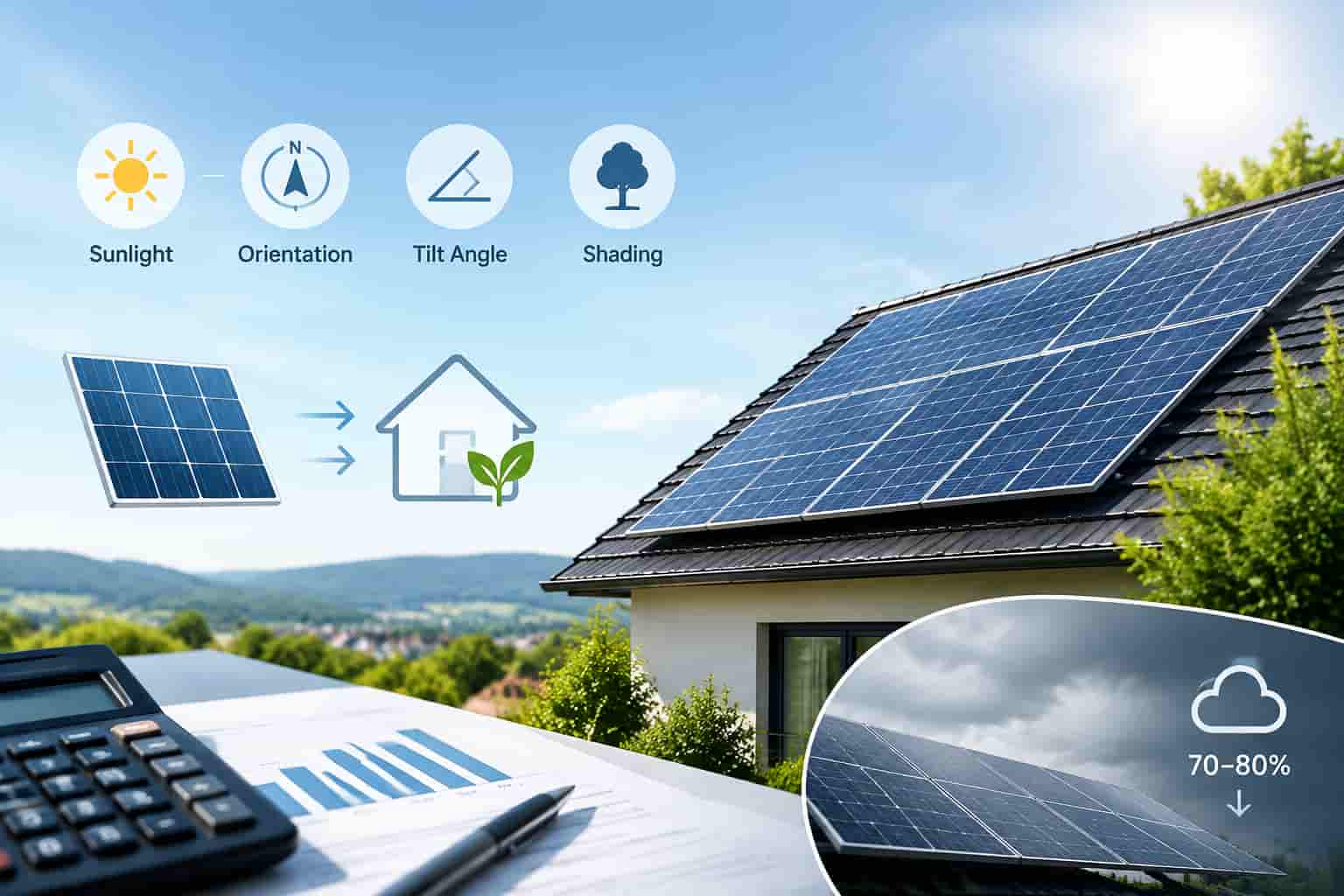
Well-designed solutions such as Solax Energy Storage demonstrate how properly sized battery systems can optimize daily energy usage and increase solar self-consumption rates, often reaching 70–80%.
In many cases, residential energy storage systems can achieve payback within several years, while commercial and industrial applications may reach returns even faster due to higher energy consumption and peak electricity costs. As energy prices and storage technologies continue to evolve, battery storage is becoming an increasingly valuable investment for both homes and businesses.
How Energy Storage Supports a Green Future and Energy Independence
A sustainable energy future depends not only on expanding renewable energy generation but also on using that energy efficiently. Energy storage plays a vital role by storing clean power for later use, reducing reliance on fossil fuels, lowering carbon emissions, and improving energy security.
Battery storage systems help reduce pressure on national grids by minimizing the need for additional backup power capacity. They also allow households and businesses to better manage energy costs and reduce the impact of electricity price fluctuations.
By combining decentralized solar generation with advanced energy storage, communities can achieve greater energy independence while improving overall grid stability. Technologies such as smart energy management systems and hybrid inverters ensure that renewable energy is stored and used efficiently whenever demand increases.
The future energy landscape will not rely solely on energy production—it will require a balanced approach that integrates renewable generation, storage, and consumption. Energy storage is therefore more than a technological advancement; it is a key solution for building a cleaner, more resilient, and sustainable energy system.
Frequently Asked Questions About Energy Storage Systems
1. When should an energy storage system be added to a solar installation?
Energy storage is recommended when solar energy production and electricity consumption occur at different times, or when users want greater energy independence. It is especially beneficial in areas with high grid electricity prices.
2. Which battery type is best for residential energy storage?
Lithium-ion batteries are widely used for home energy storage due to their high efficiency, long lifespan, and ability to handle frequent charge and discharge cycles.
3. How long does it take for an energy storage system to pay back the investment?
The typical payback period is around 6–9 years, depending on factors such as energy consumption patterns, battery capacity, electricity prices, and available incentives. Commercial and industrial systems may achieve faster returns.
4. How can energy storage performance be improved?
Smart energy management and monitoring systems can optimize charging and discharging schedules based on energy usage patterns, improving system efficiency and maximizing savings.
5. How does energy storage support a sustainable future?
Energy storage helps balance renewable energy generation, reduce pressure on power grids, and increase energy independence, making it an essential technology for a cleaner and more sustainable energy system.