




How to Choose the Right Inverter for Your Solar System?
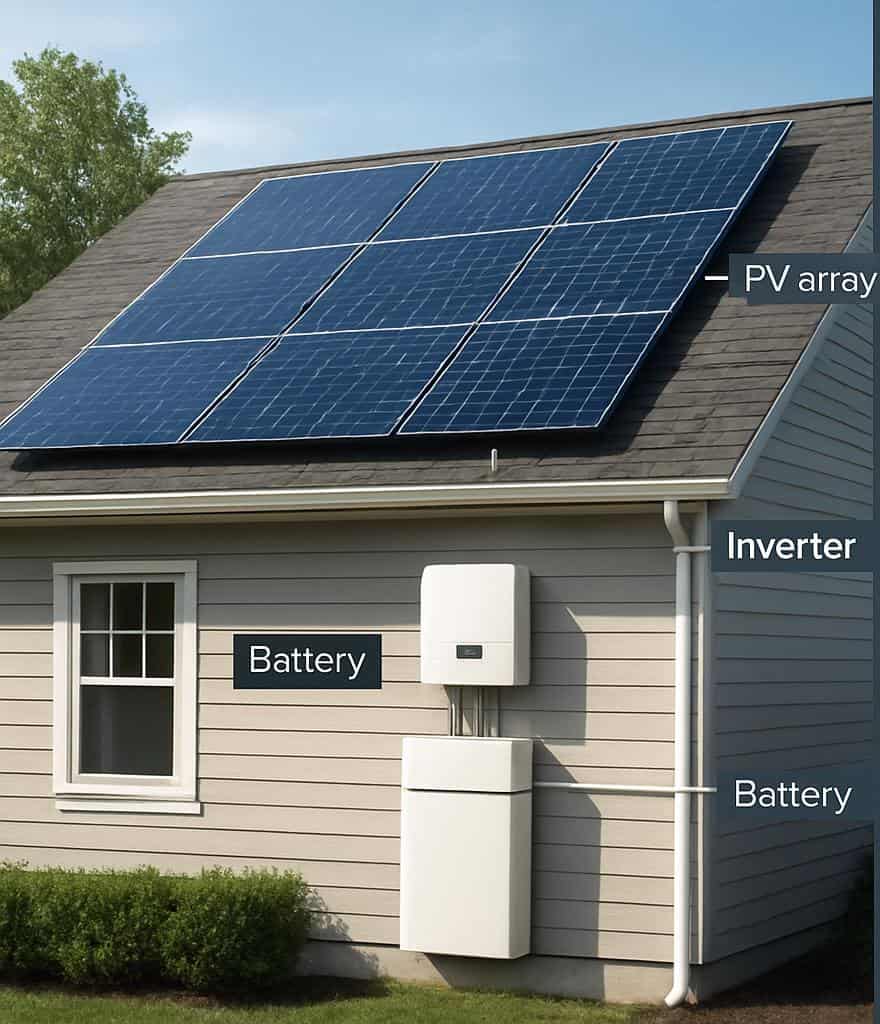
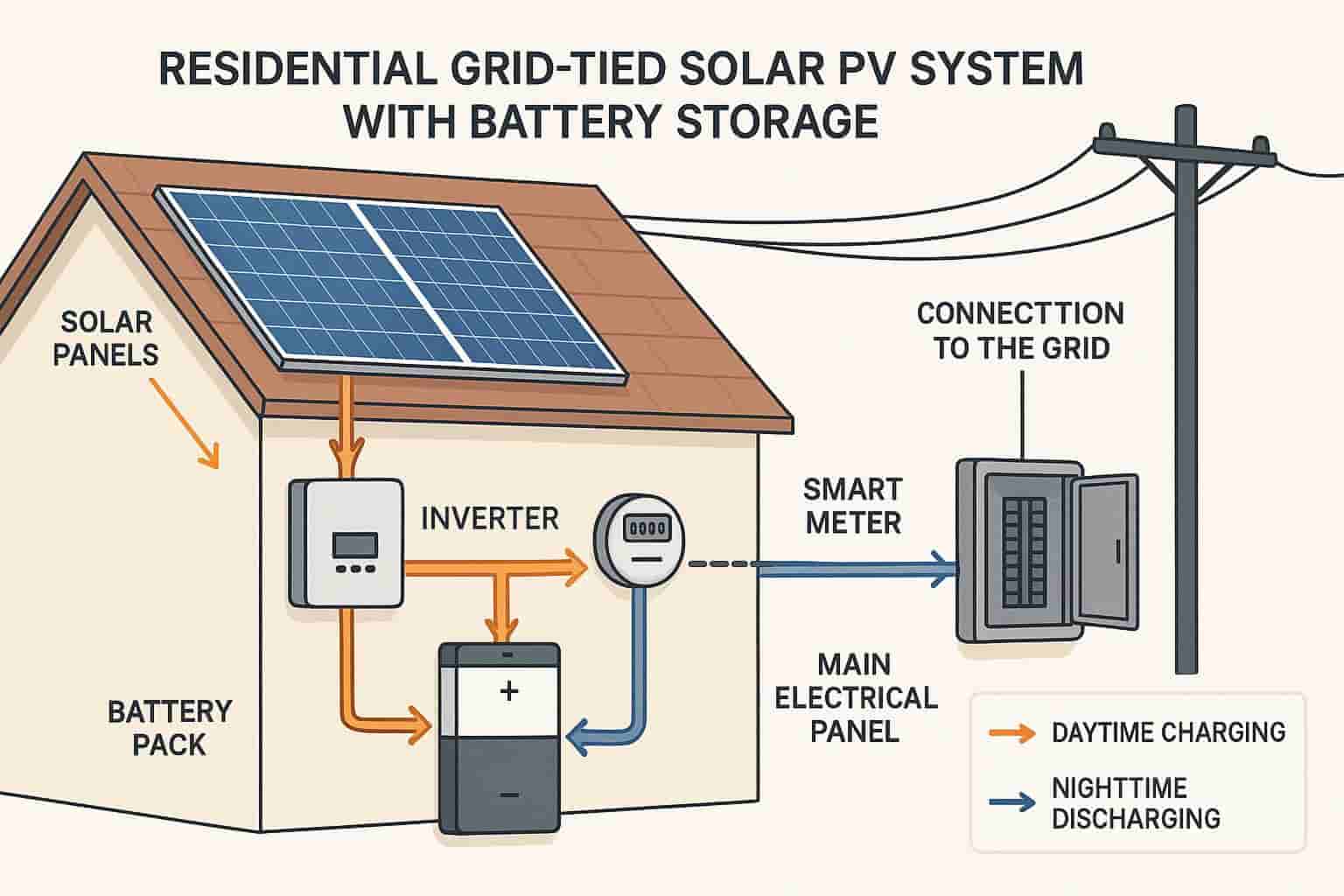
When investing in a solar energy system, the inverter is one of the most critical components that directly affects system efficiency, reliability, and long-term performance. Although solar panels receive most of the attention, the inverter plays an equally important role by converting the direct current (DC) electricity generated by solar panels into alternating current (AC) power that can be used by homes, businesses, and electrical grids.
Because inverters vary widely in technology, capacity, features, and brand reputation, solar inverter prices can differ significantly. Understanding what influences inverter costs and knowing which factors matter most can help you make a smarter purchasing decision.
In this guide, we will explore the key factors that determine solar inverter prices, explain the different types of inverters available, and provide practical advice on how to select the best inverter solution for your solar energy needs.
What Factors Affect Solar Inverter Prices?
Solar inverter prices are influenced by multiple factors, including inverter type, power capacity, technology, brand, and additional features. Rather than focusing only on the initial purchase price, it is important to evaluate the inverter’s overall value, efficiency, reliability, and long-term operating costs.
1. Inverter Type and System Configuration
One of the biggest factors affecting inverter prices is the type of solar inverter.
A grid-tied solar inverter is usually the most affordable option because it is designed primarily to convert solar energy and feed electricity directly into the grid.
A stand-alone (off-grid) inverter generally costs more because it must manage independent power generation and often work with battery storage systems.
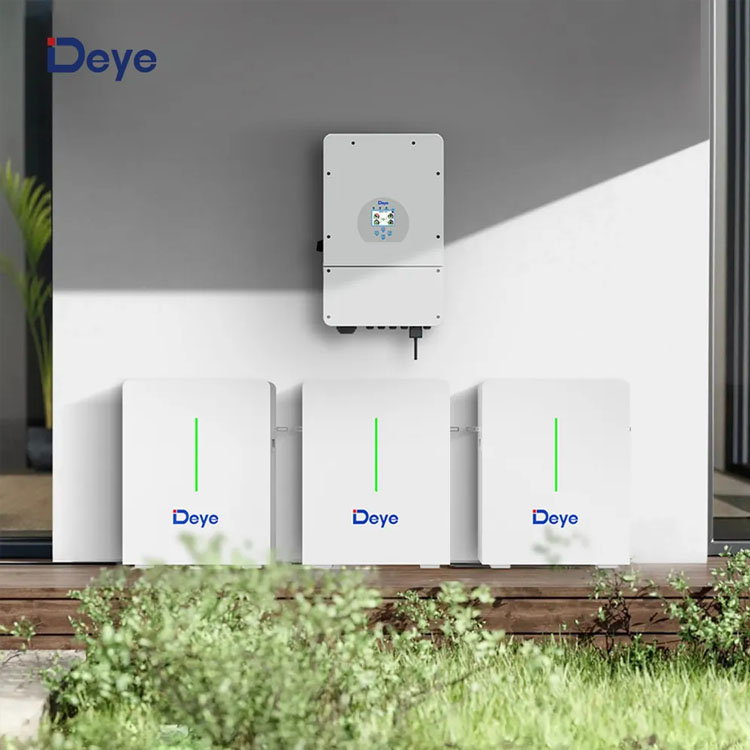
A hybrid solar inverter is typically priced higher due to its advanced functionality. It combines solar conversion, battery management, energy storage control, and grid interaction in one integrated solution, making it ideal for users who want greater energy independence and backup power capability.
2. Power Output and Capacity
The rated power capacity of an inverter is another major factor influencing cost. Higher-power inverters require more advanced components, stronger thermal management systems, and greater processing capabilities, which results in higher prices.
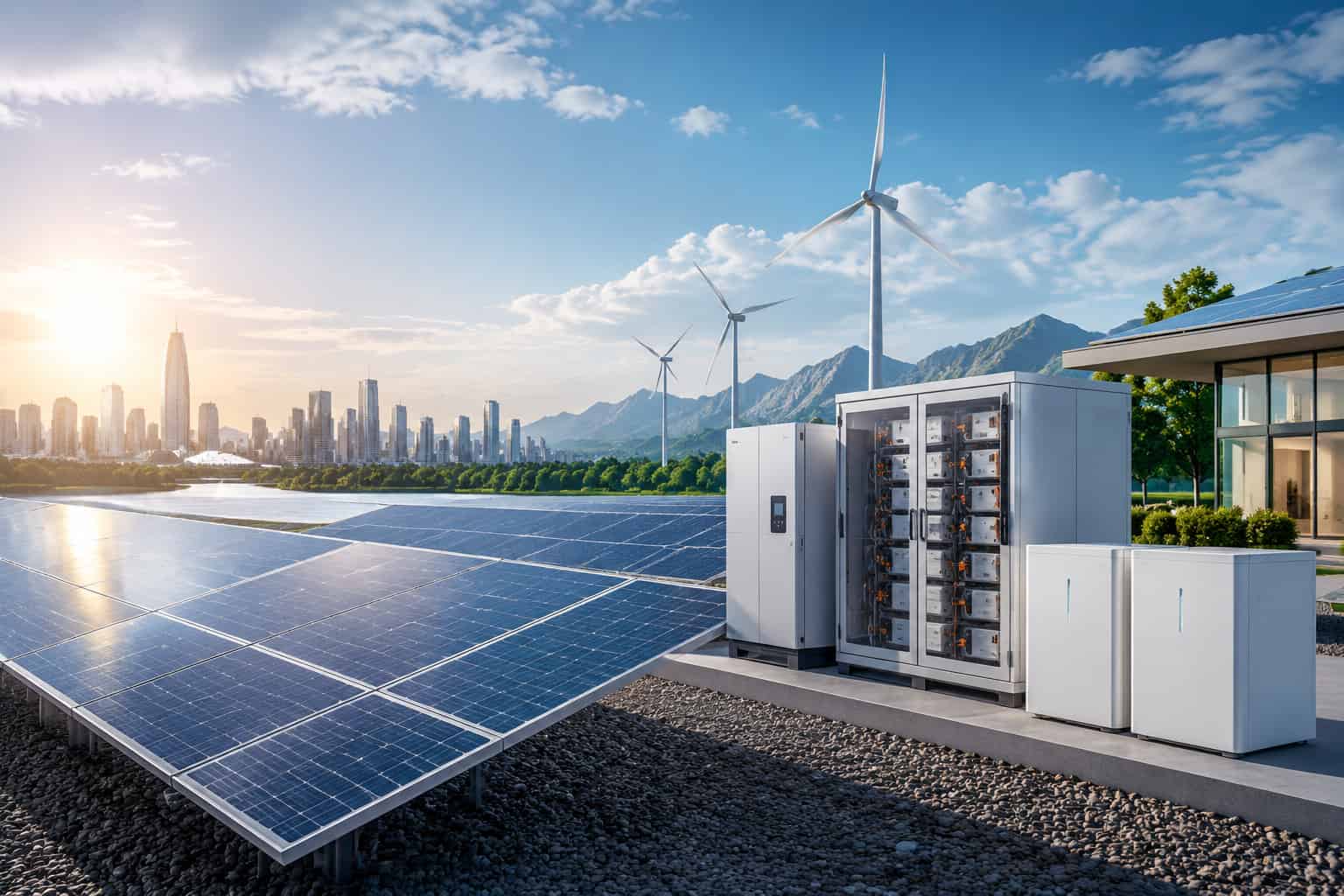
For example, a small residential inverter may be suitable for a household rooftop solar system, while commercial and industrial projects often require high-capacity three-phase inverters or energy storage inverters designed for larger energy demands.
Choosing the correct inverter capacity is essential—not only to avoid unnecessary costs but also to ensure optimal system efficiency.
3. Brand Reputation and Product Reliability
Brand reputation also plays an important role in inverter pricing. Leading manufacturers often invest heavily in research, development, quality control, and after-sales support, which can result in higher product costs.
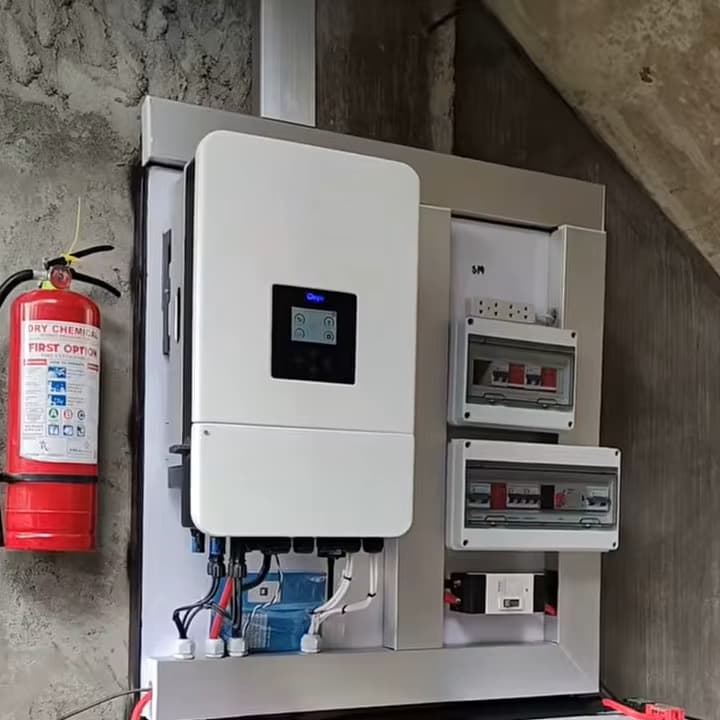
Premium brands such as Huawei are generally positioned in a higher price range, while brands like Deye provide competitive pricing while maintaining reliable performance and advanced features.
However, price should not be the only factor when selecting an inverter. A high-quality inverter can significantly improve system stability, reduce maintenance costs, and extend the overall lifespan of a solar installation.
4. Smart Features and Advanced Technology
Modern solar inverters offer much more than basic DC-to-AC conversion. Additional intelligent features can also influence pricing, including:
Smart energy monitoring and real-time performance tracking
Remote system management through mobile apps or online platforms
Battery compatibility and energy storage management
Maximum Power Point Tracking (MPPT) optimization
Safety protection features such as overload, overvoltage, and short-circuit protection
Although these features may increase the initial investment, they can provide better energy management, higher efficiency, and greater convenience throughout the system’s lifetime.
How to Choose the Right Solar Inverter?
When comparing solar inverter prices, the cheapest option is not always the best choice. A suitable inverter should match your energy requirements, solar system size, future expansion plans, and budget.
Before making a decision, consider the following:
System size and required power output: Choose an inverter that matches your solar panel capacity and energy demand.
Installation type: Determine whether you need a grid-tied, off-grid, or hybrid solution.
Battery requirements: If energy storage is part of your future plan, select an inverter with battery compatibility.
Efficiency and reliability: Higher efficiency and proven durability can reduce long-term operating costs.
Warranty and technical support: Reliable service support is essential for long-term system performance.
Conclusion
Solar inverter prices vary depending on capacity, technology, brand, and available features. While cost is an important consideration, the best inverter choice should balance price, performance, reliability, and future energy needs.
By understanding the factors behind inverter pricing and evaluating your specific solar requirements, you can select a solution that maximizes energy efficiency, improves system reliability, and delivers long-term value for your solar investment.
Have questions about solar inverter, or energy management? Get in touch with our experts today. We are committed to providing reliable solutions and professional assistance to support your clean energy projects from planning to implementation.