





Wall-Mounted vs. Rack-Mounted Battery Systems: Key Differences Explained
Energy storage systems are no longer limited to industrial applications. As solar energy continues to expand, battery storage has become an increasingly important consideration for residential and commercial users. Selecting the right battery solution is a critical decision, as the choice between wall-mounted batteries and rack-mounted battery systems directly affects system scalability, maintenance requirements, installation flexibility, and long-term cost efficiency.
This article provides a comprehensive comparison of wall-mounted and rack-mounted batteries, covering their design features, typical applications, capacity expansion capabilities, and installation requirements. It also explores different battery charging methods and energy storage solutions, while discussing scenarios where battery replacement or system upgrades may be required.
Finally, we offer practical guidance to help homeowners, building owners, and industrial users determine which battery solution provides the best combination of safety, reliability, and long-term performance for applications ranging from single-family homes and multi-unit residential buildings to large-scale commercial and industrial environments.
Wall-Mounted Battery – Features and Applications
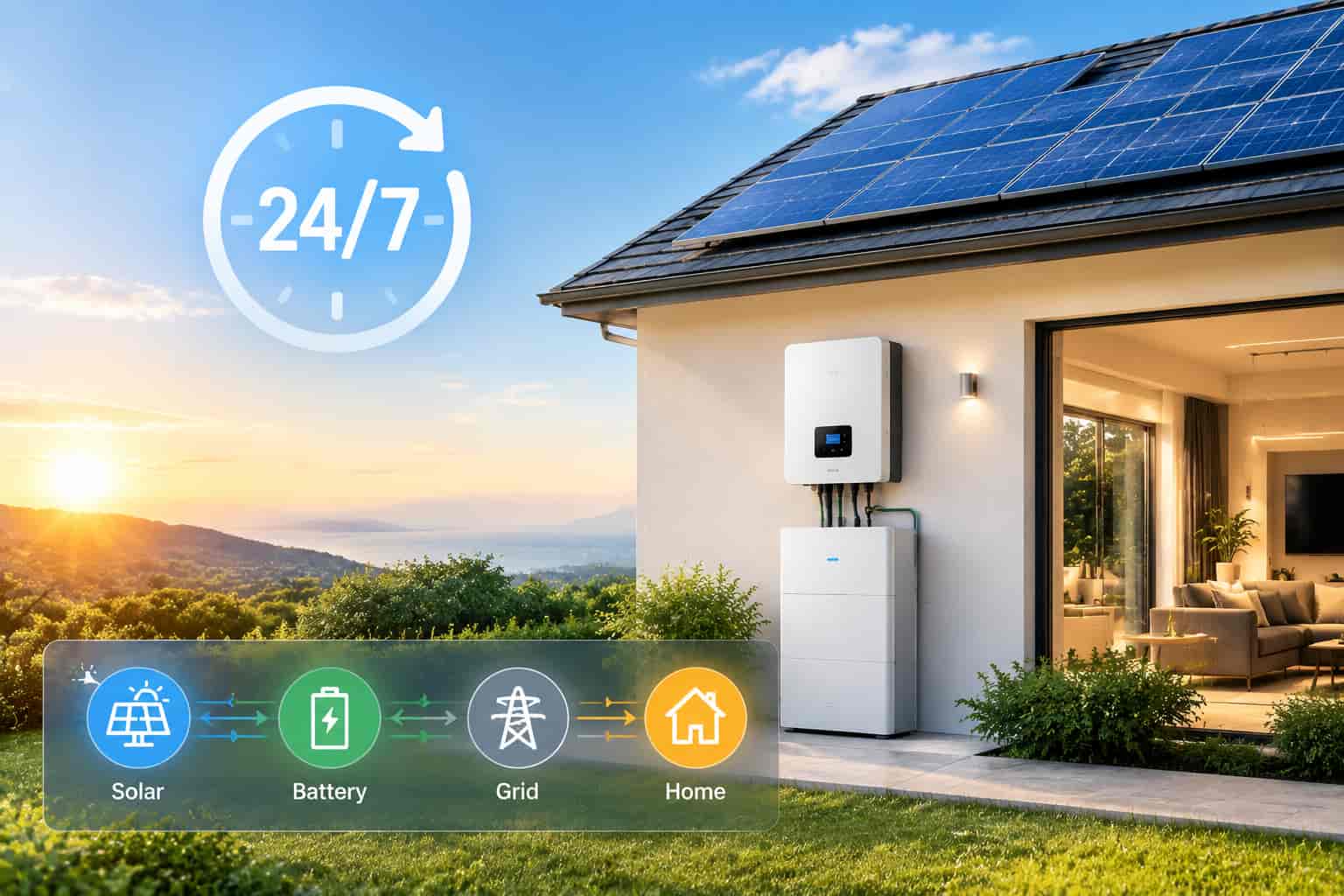
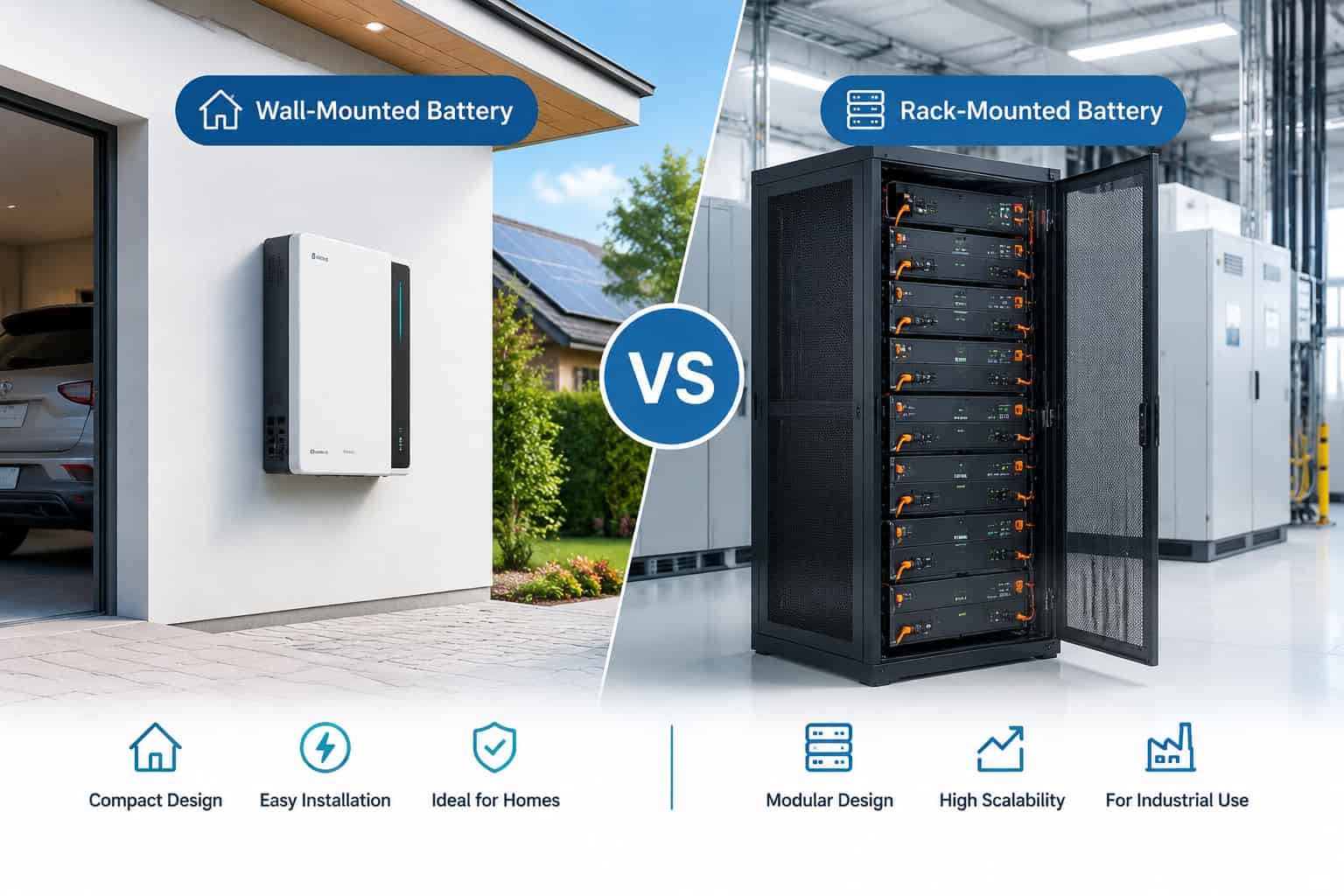
A wall-mounted battery is an energy storage solution specifically designed for residential and small-scale commercial solar systems. With its compact and space-saving design, it can be installed directly on a wall without the need for additional rack cabinets or dedicated mounting infrastructure. This makes it an ideal choice for locations such as home garages, utility rooms, and basements where installation space is limited.
Most modern wall-mounted battery systems use lithium iron phosphate (LiFePO4) technology, which provides excellent safety, long cycle life, and reliable performance. Due to their high energy density and stable operation, lithium-based batteries have become the dominant technology in the residential energy storage market.
Typically, wall-mounted batteries offer storage capacities ranging from 5 kWh to 15 kWh, making them suitable for meeting the evening and nighttime electricity demands of average households. When properly sized, these battery systems can increase solar self-consumption, reduce dependence on grid electricity, minimize excess energy export, and provide reliable backup power during outages.
During installation, several factors should be considered, including wall strength, proper ventilation, and compatibility with the existing inverter system. While wall-mounted batteries provide convenient expansion options for small-scale residential applications, their scalability may be limited when larger industrial energy storage capacities are required.
Overall, wall-mounted batteries are particularly well suited for residential users who prioritize a clean appearance, efficient use of space, and fast, simple installation.
Rack Cabinet and Rack-Mounted Battery – Features and Industrial Benefits
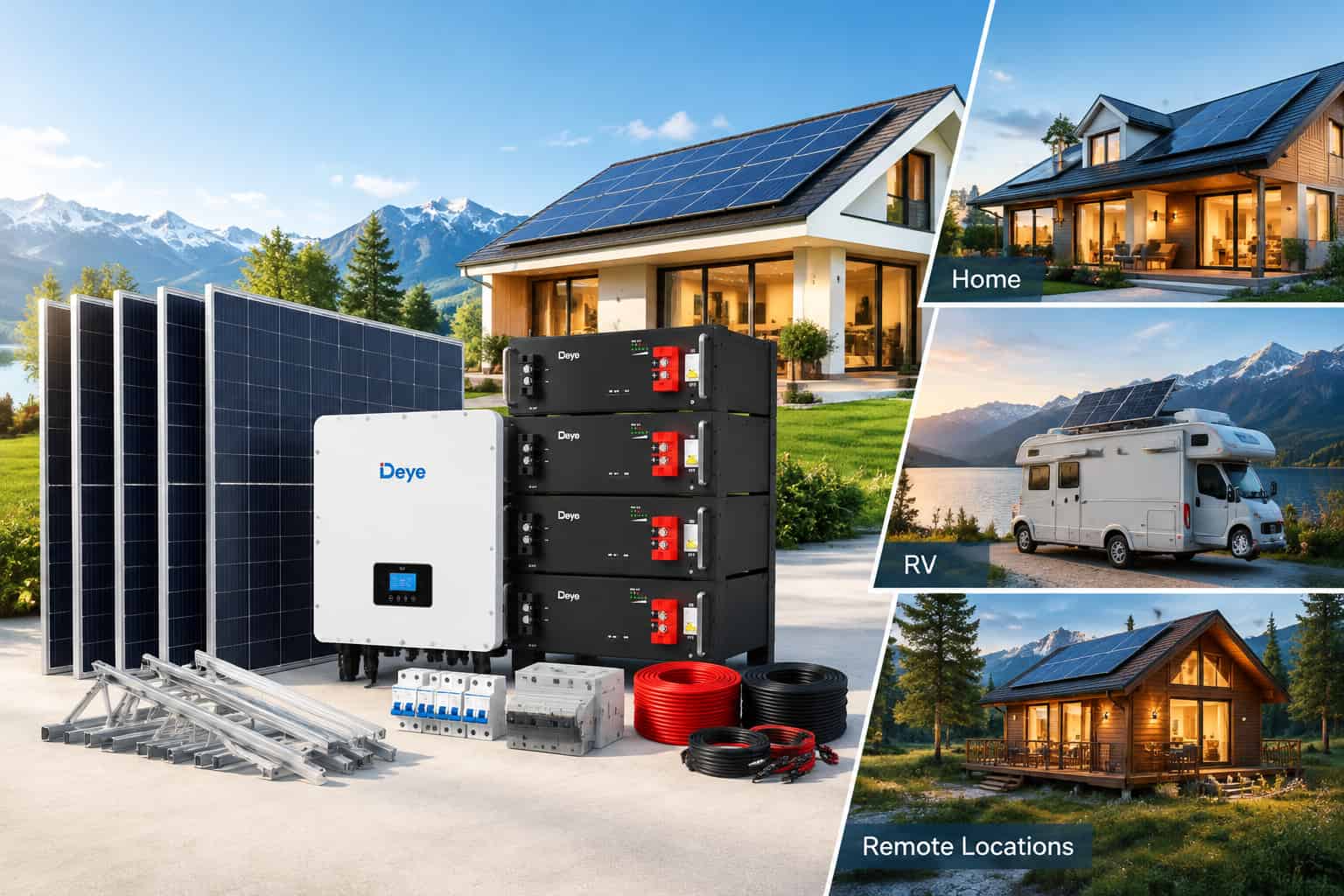
Rack-mounted energy storage systems are primarily designed for applications that require higher power output, greater capacity, and flexible scalability. These systems use standardized rack cabinets, which are durable metal frames designed to securely house multiple rack-mounted battery modules in an organized configuration.
One of the main advantages of rack-mounted battery systems is their excellent expandability. Additional battery modules can be easily added to the rack structure, allowing the overall storage capacity to be increased gradually according to changing energy demands. This modular design makes rack systems particularly suitable for industrial battery applications, where power consumption and storage requirements may continue to evolve over time.
Rack-based energy storage solutions are commonly used in large-scale industrial projects to help reduce peak electricity demand, improve grid stability, and optimize energy costs. With features such as structured cable management, centralized battery management systems (BMS), and precise charging control, rack-mounted solutions provide reliable operation and efficient energy management.
Due to their high scalability and flexible configuration options, rack-mounted batteries are well suited for commercial and industrial applications, including businesses, manufacturing facilities, warehouses, logistics centers, and utility-scale solar energy projects.
Capacity and Expandability Comparison
Capacity and scalability are two of the most important considerations when selecting between wall-mounted batteries and rack-mounted battery systems. Although both solutions are designed for energy storage applications, they follow different design concepts and expansion approaches.
Wall-mounted batteries are generally available as integrated units with fixed storage capacities, typically ranging from 5 kWh to 15 kWh. For most residential solar energy systems, this capacity range is sufficient when properly matched with the solar generation capacity and household electricity consumption. System expansion is usually achieved through parallel connections for low-voltage batteries and series connections for high-voltage systems. However, manufacturers often set a maximum limit on the number of battery units that can be connected.
Rack-mounted battery systems, on the other hand, are designed with a highly modular architecture. A single rack cabinet can house multiple battery modules, allowing the total storage capacity to be expanded step by step according to changing energy requirements. This flexibility is especially valuable in industrial energy storage applications, where electricity demand may increase or fluctuate over time. During expansion, additional battery modules can be easily installed into the rack cabinet and connected to the centralized energy management system.
A key difference between the two solutions is their suitability for different system scales. Rack-mounted batteries provide a more robust mechanical structure, better organization, and greater electrical scalability for large-scale energy storage projects. In comparison, wall-mounted batteries are a more practical and cost-effective option for residential users and smaller systems with clearly defined energy needs.
Battery Charging Solutions in Wall-Mounted and Rack-Mounted Systems
Battery charging management is a critical component of both wall-mounted battery systems and rack-mounted energy storage solutions. Modern storage batteries are typically equipped with an integrated Battery Management System (BMS), which continuously monitors key parameters such as cell voltage, temperature, battery status, and overall system performance to ensure safe and efficient operation.
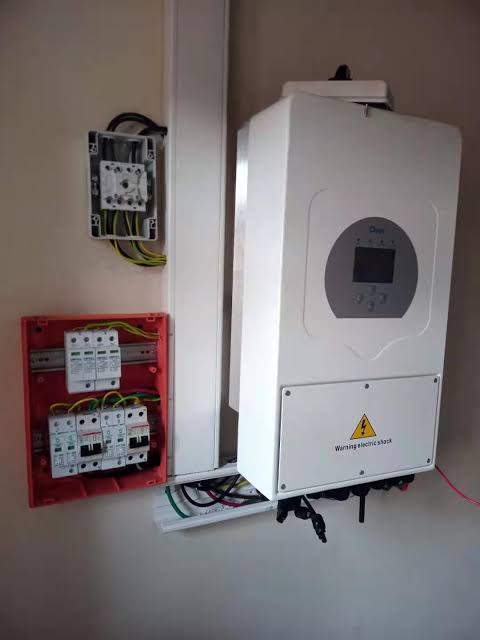
In residential applications, wall-mounted batteries are commonly paired with hybrid solar inverters, which intelligently manage the charging and discharging process based on solar power generation and household electricity consumption. The primary objective of this control strategy is to increase solar self-consumption, reduce reliance on the grid, and minimize unnecessary energy export.
For rack-mounted battery systems, the charging management process is more advanced due to the larger system scale and multiple battery modules involved. Each module within the rack cabinet is monitored and coordinated through a centralized control system, which balances charging levels, distributes power efficiently, and maintains consistent performance across the entire battery bank. This precise battery charge control is especially important in industrial energy storage applications, where system stability, reliability, and battery lifespan are essential.
When higher storage capacities are required, rack-mounted solutions offer the advantage of distributing charging and discharging loads across multiple battery modules. In comparison, wall-mounted batteries provide a simpler, compact, and more streamlined solution for residential and small-scale energy storage needs.
Installation Considerations – Space Requirements, Mounting, and Modular Design
Available installation space and future system expandability are two important factors to consider when installing an energy storage system. A wall-mounted battery provides a compact and space-efficient solution that can be installed directly on a load-bearing wall. This makes it particularly suitable for residential applications, such as family homes where dedicated technical space may be limited. During installation, it is essential to ensure a secure mounting structure, maintain the required clearance around the battery, and provide sufficient ventilation according to the manufacturer's guidelines.
By comparison, rack-mounted battery systems require a dedicated rack cabinet, which is typically installed on the floor or fixed in a designated technical area. The main advantage of this configuration is its organized and modular structure, allowing battery modules, power distribution components, and control equipment to be installed in a centralized and efficient layout. For larger energy storage projects, the modular design enables additional battery capacity to be added easily as system requirements increase.
The installation location may include basements, garages, or dedicated electrical rooms, depending on the application. Regardless of the location, proper electrical protection, ventilation, and fire safety measures must be implemented in accordance with applicable regulations and manufacturer requirements.
Maintenance and Reliability – When Should a Battery Be Replaced?
One of the key advantages of modern lithium-based energy storage systems is their extended service life. A high-quality wall-mounted battery or rack-mounted battery system can typically achieve 6,000–8,000 charge cycles, providing approximately 10–15 years of reliable operation in residential applications. However, like all energy storage equipment, batteries will eventually experience performance degradation and require replacement.
The timing of battery replacement depends on multiple factors, including the total number of charge cycles, operating temperature conditions, usage patterns, and the effectiveness of battery charging management. When the available storage capacity decreases significantly, for example below 70–65% of the original capacity, the battery may no longer provide sufficient energy to meet the user's power requirements.
For residential energy storage systems, the battery replacement process largely depends on the battery technology and system architecture. In low-voltage (LV) systems, a modular design can provide greater flexibility, as individual battery modules may be replaced in certain situations without replacing the entire storage system. However, high-voltage (HV) systems generally have stricter requirements for module compatibility, and partial replacement or mixing new and old battery modules is often limited or not recommended by manufacturers. Therefore, any battery expansion or replacement in HV systems should always follow manufacturer guidelines and ensure full system compatibility.
In industrial energy storage applications, advanced monitoring systems continuously track battery performance, operating conditions, and overall health status to help predict maintenance requirements and replacement timing. A properly configured Battery Management System (BMS), combined with optimized charging strategies, can effectively improve battery reliability and extend the overall service life of the energy storage system.
Frequently Asked Questions
What is the main difference between wall-mounted and rack-mounted batteries?
The primary difference between wall-mounted and rack-mounted batteries is their design structure and scalability. Wall-mounted batteries are compact, self-contained energy storage units mainly designed for residential applications. They are easy to install, require minimal installation space, and typically have a simpler system configuration.
Rack-mounted battery systems, on the other hand, feature a modular architecture that allows multiple battery modules to be installed within a rack cabinet. This design provides higher storage capacity, better scalability, and greater flexibility, making rack systems particularly suitable for industrial energy storage projects and large commercial energy requirements.
Which battery solution is better for residential homes and industrial applications?
For residential properties, wall-mounted batteries are usually the preferred choice because they provide sufficient storage capacity for daily household energy consumption and backup power during outages. Their compact design, simple installation process, and compatibility with most hybrid inverters make them suitable for home solar energy systems.
For industrial applications, rack-mounted battery systems are generally more suitable. They offer higher capacity, stronger scalability, and better integration with advanced energy management systems, making them ideal for businesses, factories, and large-scale energy storage projects.
How does the installation environment affect the choice of battery system?
The available installation space plays an important role in selecting the right battery solution. When space is limited, such as in residential garages, basements, or utility rooms, wall-mounted batteries are often the most practical option.
For locations with dedicated technical rooms, industrial facilities, or larger installation areas, rack-mounted battery systems provide a more organized and expandable solution. Regardless of the system type, proper ventilation, heat dissipation, electrical protection, and compliance with safety regulations are essential for reliable operation.
Which inverters are compatible with wall-mounted batteries?
Wall-mounted batteries are generally designed to work with hybrid inverters, but compatibility depends on the specific battery and inverter manufacturers. Before installation, users should verify communication protocols, such as CAN or RS485, to ensure proper system integration.
A compatible inverter enables efficient battery charging, accurate battery charge management, and full access to energy management features.
How does modular expansion work for rack-mounted batteries?
The main advantage of rack-mounted battery systems is their modular expansion capability. Additional battery modules can be installed directly into the rack cabinet and connected to the centralized Battery Management System (BMS).
This modular approach allows the storage capacity to be increased gradually as energy requirements grow. For large-scale energy storage projects, it provides greater flexibility in investment planning and future system upgrades.
Which solution is easier for battery charging and replacement?
For small-scale energy storage systems, wall-mounted batteries are generally easier to install, charge, and replace because they operate as independent battery units.
For rack-mounted systems, the modular design provides greater maintenance flexibility. In some cases, individual battery modules can be replaced instead of replacing the entire battery system, reducing long-term maintenance costs and improving system efficiency.