
Solar Energy in Agriculture: How Farmers Reduce Costs and Improve Farm Sustainability
Introduction: Why Solar Power Is Becoming Important for Modern Agriculture
Agriculture is one of the industries with the highest energy consumption. From irrigation pumps and greenhouse lighting to refrigeration, livestock management, and agricultural machinery, electricity costs directly affect farm profitability.
At the same time, farmers are facing increasing challenges:
- Higher electricity prices
- Water shortages caused by climate change
- Extreme heat affecting crop productivity
- Rising operating costs
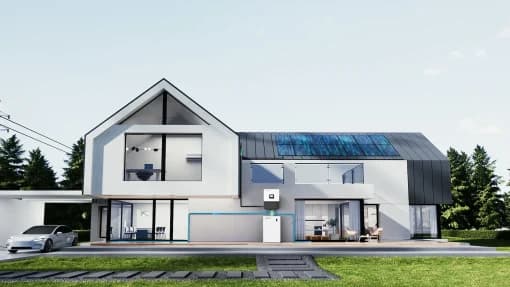
Solar energy provides a practical solution by allowing farms to generate their own electricity while maintaining agricultural production.
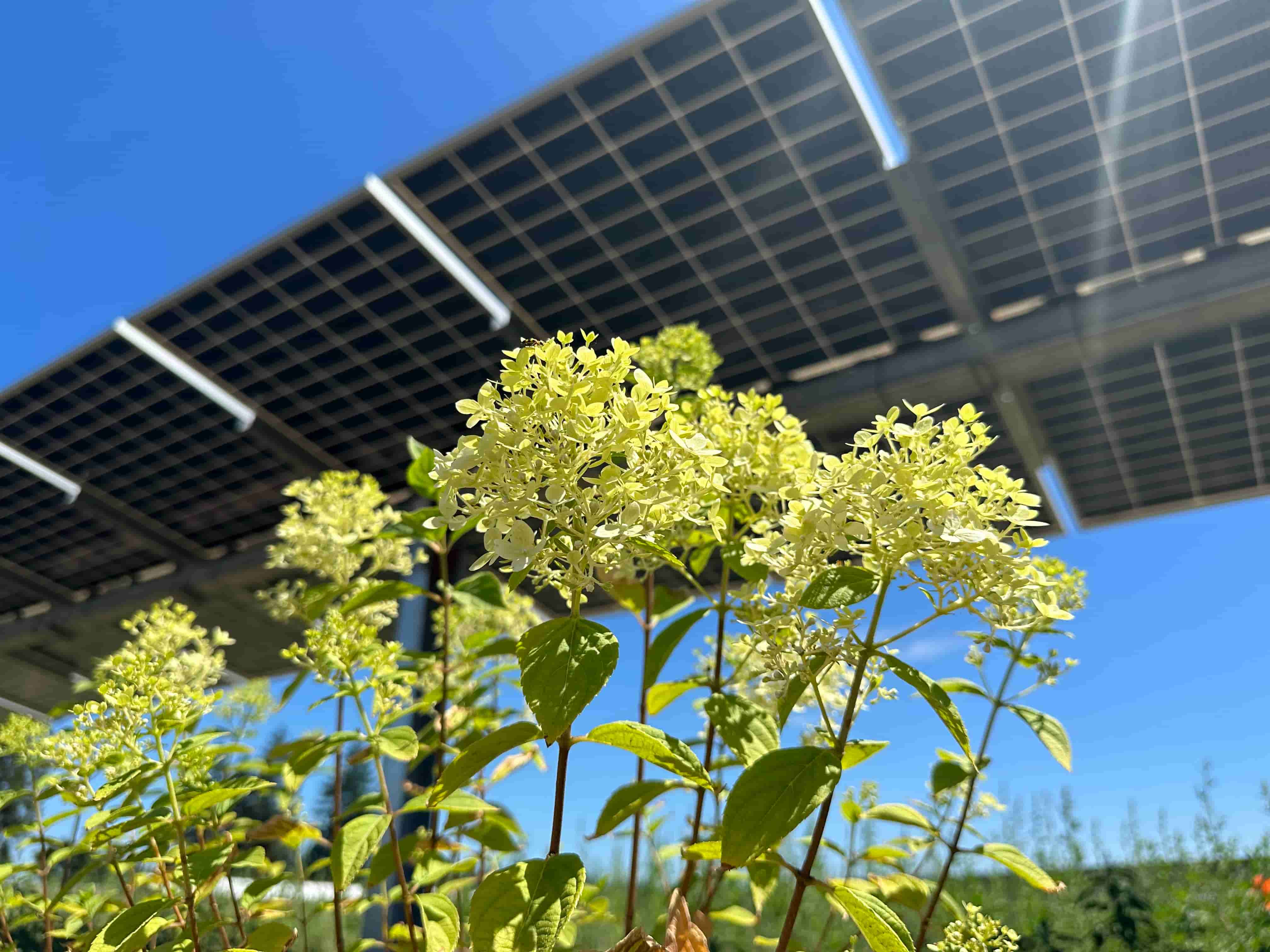
A growing approach called agrivoltaics combinessolar photovoltaic (PV) systems with agricultural activities, allowing crops, livestock, or pollinator habitats to coexist with solar panels on the same land. Research from the U.S. Department of Energy (DOE) shows that agrivoltaic systems can create additional value by improving land utilization, reducing energy costs, and supporting agricultural resilience.
1. How Solar Energy Is Used in Agriculture
Solar power is no longer limited to rooftop installations. Modern farms use photovoltaic technology in multiple applications.
1.1 Solar-Powered Irrigation Systems
Water pumping is one of the largest electricity expenses for many farms.
Traditional irrigation systems often rely on grid electricity or diesel generators, creating unpredictable operating costs. Solar-powered irrigation systems use PV panels to supply electricity directly to water pumps.
Benefits include:
- Lower electricity bills
- Reduced dependence on diesel fuel
- Stable long-term energy costs
- Suitable for remote agricultural areas without reliable grid access
For example, during sunny daytime hours, solar panels can directly power irrigation pumps, reducing the need to purchase electricity from the grid.
1.2 Solar Greenhouses
Solar energy can be integrated with greenhouse operations through:
- Solar panels installed on greenhouse roofs
- Semi-transparent photovoltaic modules
- Solar-powered ventilation and lighting systems
Energy generated from solar panels can support:
- Heating systems
- Cooling fans
- LED grow lights
- Automated irrigation equipment
This helps greenhouse operators reduce energy expenses while maintaining controlled growing conditions.
1.3 Agrivoltaics: Growing Crops Under Solar Panels
Agrivoltaics is one of the fastest-growing applications of solar energy in agriculture.
Instead of choosing between farming and solar installation, farmers can use the same land for both purposes.
Common applications include:
- Vegetable production under elevated solar panels
- Sheep grazing beneath PV systems
- Pollinator-friendly habitats
- Solar-powered greenhouses
The National Renewable Energy Laboratory (NREL) has studied agrivoltaic projects across the United States and found that properly designed systems can provide benefits for agriculture, energy production, and ecosystems.
2. How Solar Energy Helps Farmers Reduce Costs
Installing solar panels requires an initial investment, but the long-term financial benefits can significantly reduce operating expenses.
2.1 Lower Electricity Costs
Electricity is a continuous expense for farms.
A solar PV system can offset electricity consumption from:
- Irrigation pumps
- Refrigeration systems
- Grain drying equipment
- Livestock facilities
- Farm buildings
Instead of paying retail electricity prices every month, farmers generate part of their own energy.
For farms operating for 20–30 years, reducing electricity purchases can create substantial savings.
According to the U.S. Department of Agriculture (USDA), solar energy can reduce energy costs for producers by generating electricity on-site and improving energy independence.
2.2 Reduced Fuel Costs
Many farms still depend on diesel generators for:
- Water pumping
- Remote farm operations
- Agricultural equipment
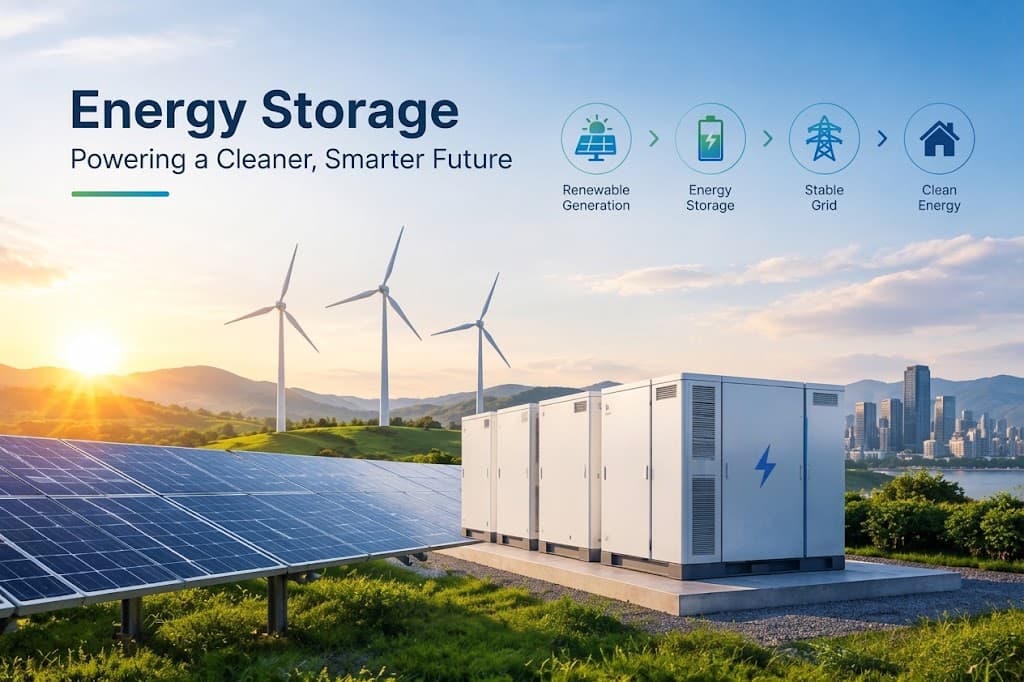
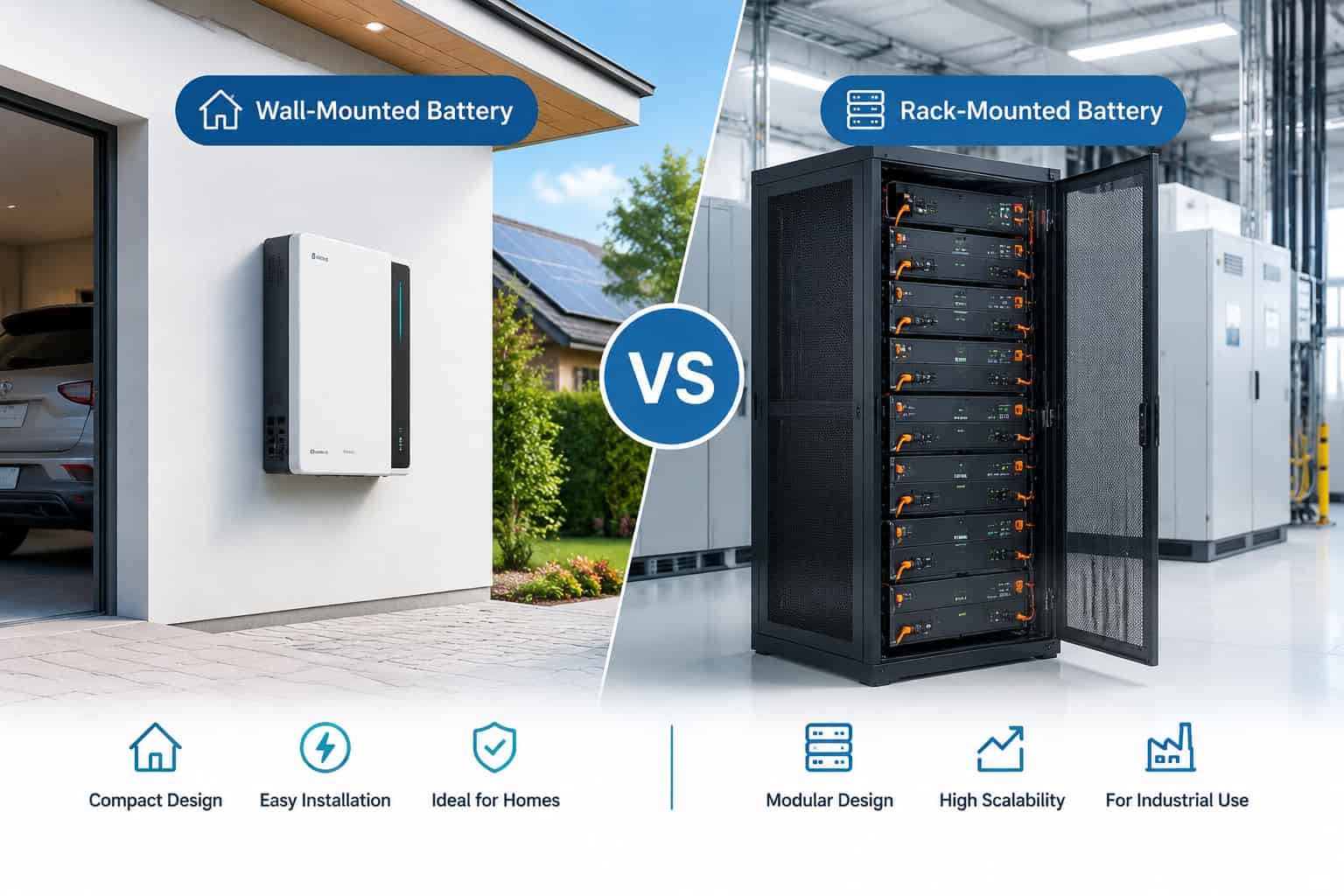
Solar systems combined with battery storage can replace part of diesel consumption.
Cost savings come from:
- Less fuel purchasing
- Lower generator maintenance
- Reduced fuel price risk
For remote farms, solar + battery storage can provide a more predictable energy cost structure.
2.3 Additional Income From Excess Electricity
A properly designed solar system can produce more electricity than a farm consumes.
Depending on local regulations and electricity markets, excess energy may be:
- Exported to the grid
- Sold through renewable energy programs
- Used for future electrification
This creates a second revenue stream beyond agricultural production.
Research from NREL highlights that agrivoltaics can improve farm economic resilience by adding renewable energy revenue while maintaining agricultural activities.
3. Solar Panels Can Improve Agricultural Conditions
Solar energy does more than generate electricity. In some agricultural environments, solar panels can improve growing conditions.
3.1 Reduced Water Consumption
One major challenge for agriculture is water efficiency.
Solar panels provide partial shading, which can:
- Reduce soil evaporation
- Maintain higher soil moisture
- Reduce plant heat stress
A peer-reviewed study published in Nature Sustainability found that agrivoltaic systems can reduce drought stress and improve water-use efficiency under certain conditions.
4. How Farmers Should Calculate Solar Cost Savings
Before installing a solar system, farmers should evaluate several factors:
Energy Consumption
Calculate annual electricity usage from:
- Pumps
- Refrigeration
- Buildings
- Machinery
Example:
A farm consuming 100,000 kWh/year can estimate how much solar electricity can replace grid consumption.
Solar System Size
A typical calculation considers:
- Available installation area
- Local solar irradiation
- Electricity demand
- Battery requirements
A professional solar installer usually performs:
- Energy analysis
- PV system simulation
- Return-on-investment calculation
Payback Period
The investment return depends on:
- System cost
- Electricity prices
- Solar generation capacity
- Government incentives
- Financing options
Many agricultural solar projects evaluate returns over a 20–30 year system lifetime.
5. The Future of Solar Agriculture: Combining Energy and Food Production
The future of agriculture is moving toward integrated energy systems.
Solar technology can help farms:
✔ Reduce electricity expenses
✔ Improve energy independence
✔ Reduce dependence on fossil fuels
✔ Increase land productivity
✔ Improve resilience against climate challenges
Agrivoltaics does not mean replacing agriculture with solar panels. The goal is designing systems where renewable energy and food production support each other.
The World Resources Institute (WRI) notes that agrivoltaics can help address both renewable energy development and agricultural sustainability by allowing solar generation and farming activities to share the same land.
Conclusion: Solar Power Is Becoming a Practical Tool for Farmers
Solar energy in agriculture is not only about clean energy. It is about improving farm economics.
By reducing electricity costs, lowering fuel consumption, improving water efficiency, and creating additional income opportunities, photovoltaic technology provides farmers with a long-term strategy to control operating expenses.
For agricultural businesses looking to reduce costs and improve sustainability, solar PV systems combined with smart energy management and battery storage can become an important part of modern farming infrastructure.