
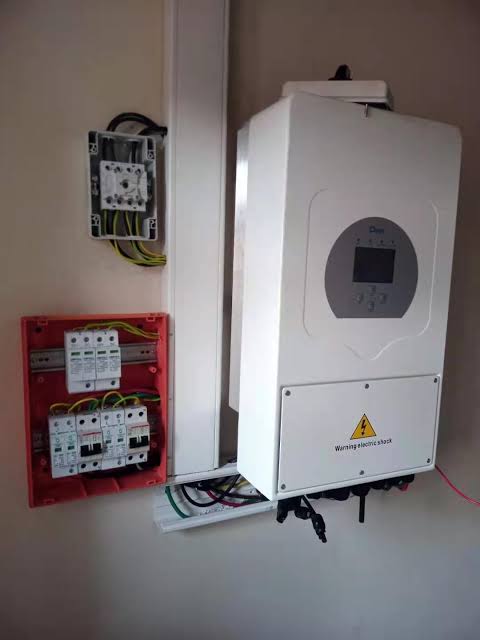
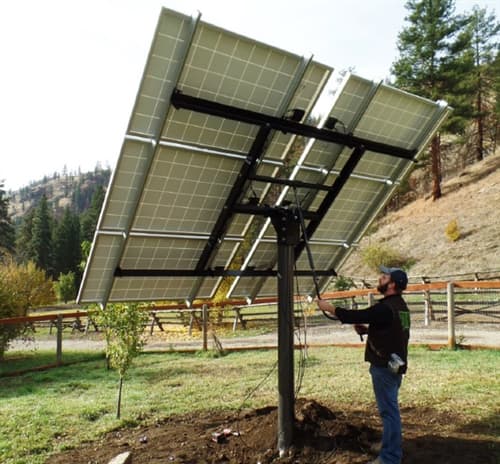
Can a Hybrid Inverter Operate Without a Battery?
A hybrid inverter is designed to integrate solar power, battery storage, and grid electricity into one energy management system. However, installing a battery is not always necessary. This article explains whether a hybrid inverter can operate with solar panels alone, how PV-only operation works, its main advantages and limitations, and when choosing a conventional grid-tied inverter may be more practical.
Yes. Most modern hybrid inverters can operate with solar panels without requiring a battery, provided the manufacturer supports battery-free operation.
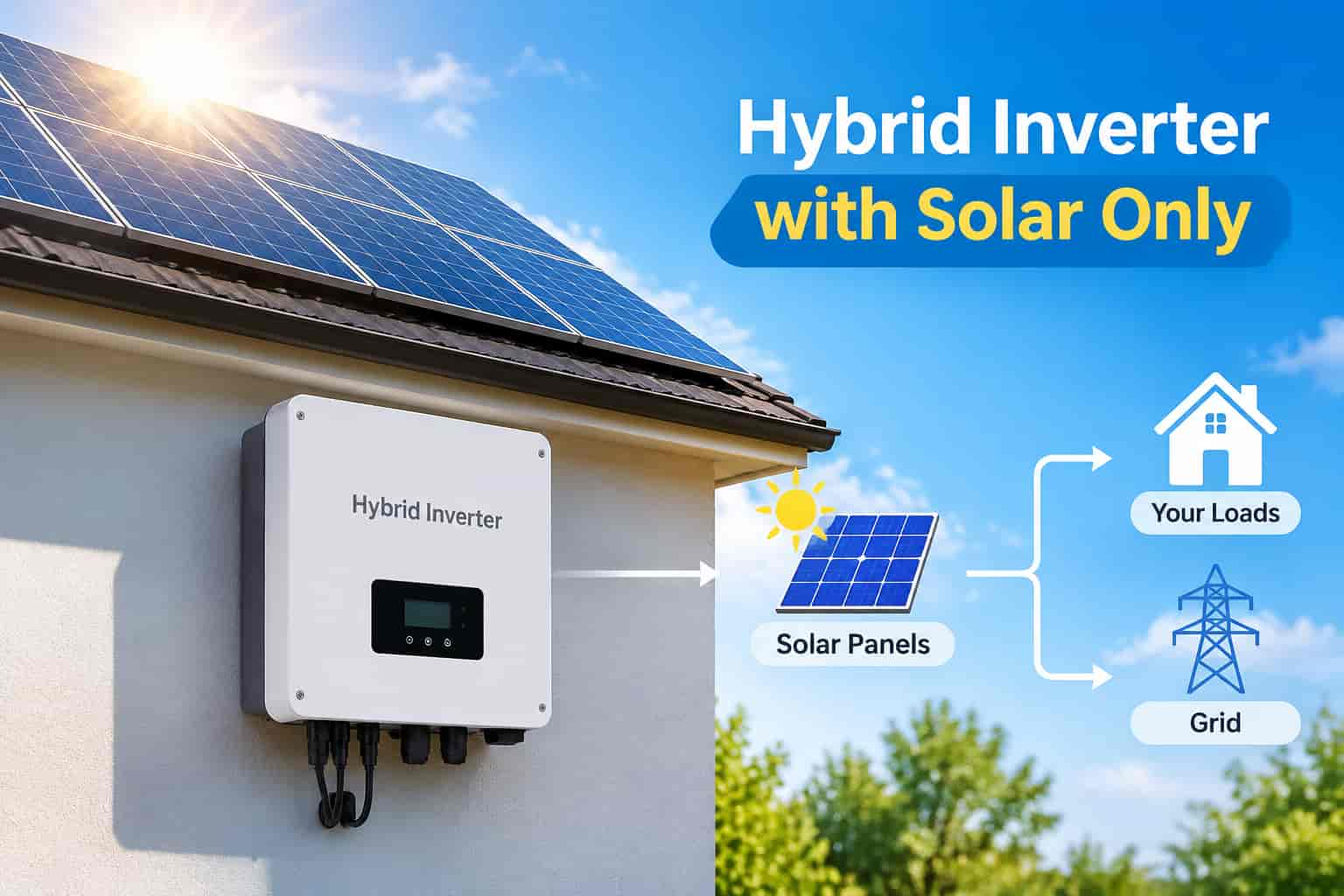
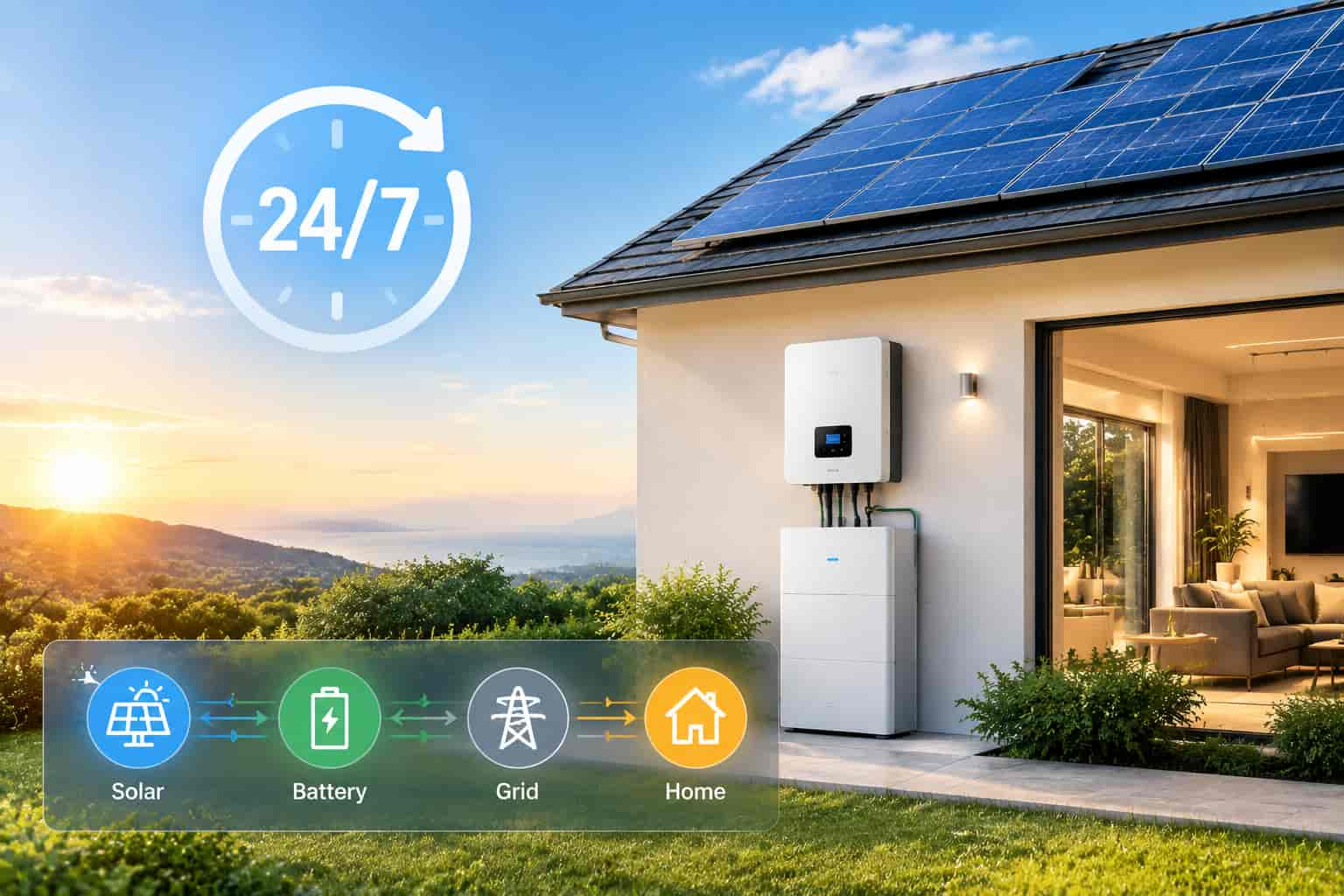
In a solar-only configuration, the hybrid inverter converts DC electricity generated by the PV modules into AC power for household or commercial loads. If the solar system produces more electricity than is currently needed, surplus energy can potentially be exported to the utility grid, depending on the inverter's capabilities and local grid regulations.
However, battery-free operation varies between inverter models. Some hybrid inverters require an active grid connection to operate without a battery, functioning much like conventional grid-tied inverters. Others offer a dedicated PV-only or battery-less operating mode, allowing solar generation to supply connected loads without battery storage.
Certain advanced hybrid inverters also support limited backup power directly from solar panels without a battery. This feature generally depends on sufficient solar irradiance, stable PV output, and carefully managed electricity consumption. Backup performance may fluctuate with changing weather conditions and load demand.
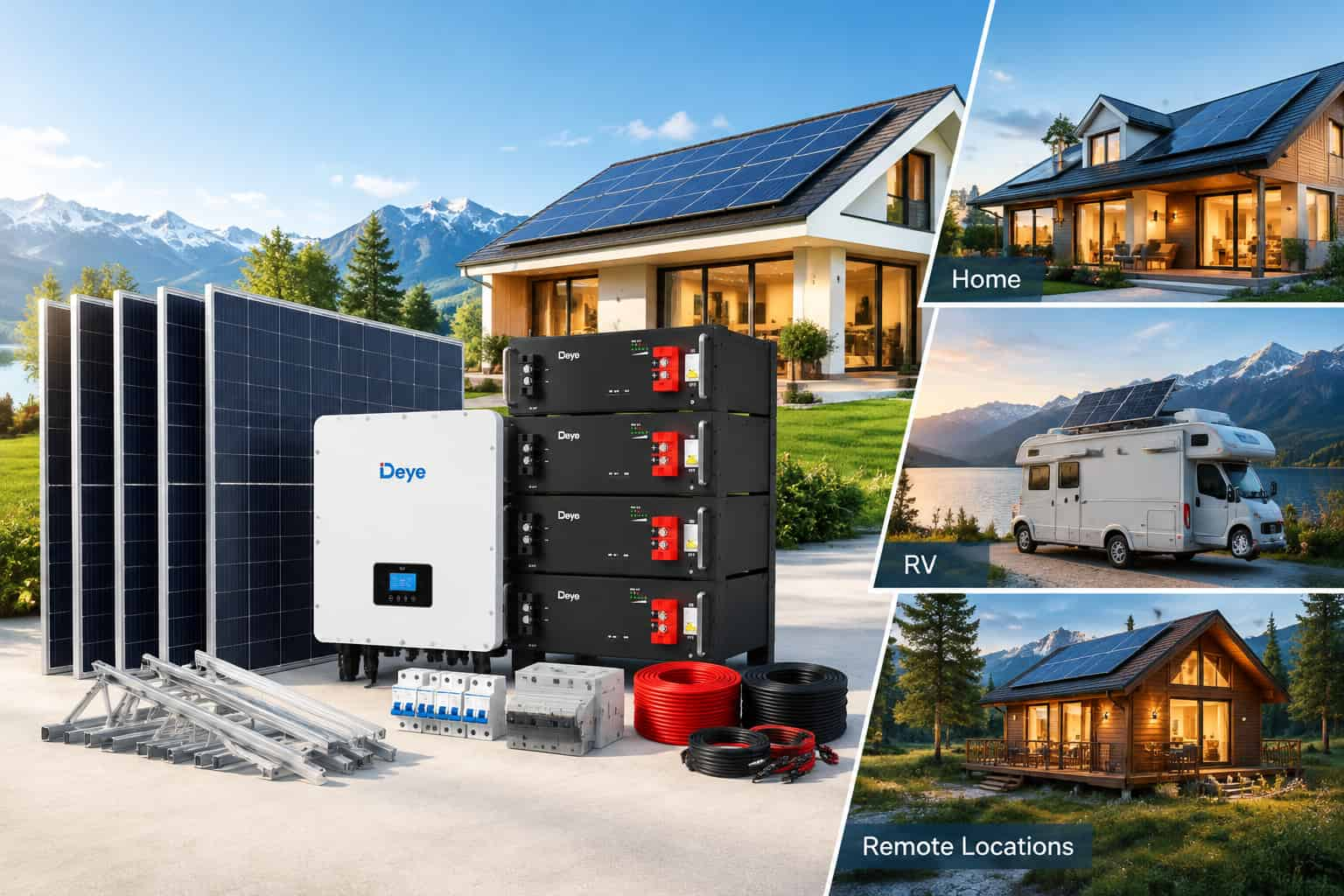
For homeowners and businesses planning future energy storage, a hybrid inverter without a battery can be a flexible starting point. You can install the solar panels and inverter first, then integrate a compatible battery system when your energy requirements or budget allow. Before purchasing, always check the manufacturer's datasheet and installation manual to confirm support for battery-free operation, PV-only mode, and the required grid connection conditions.
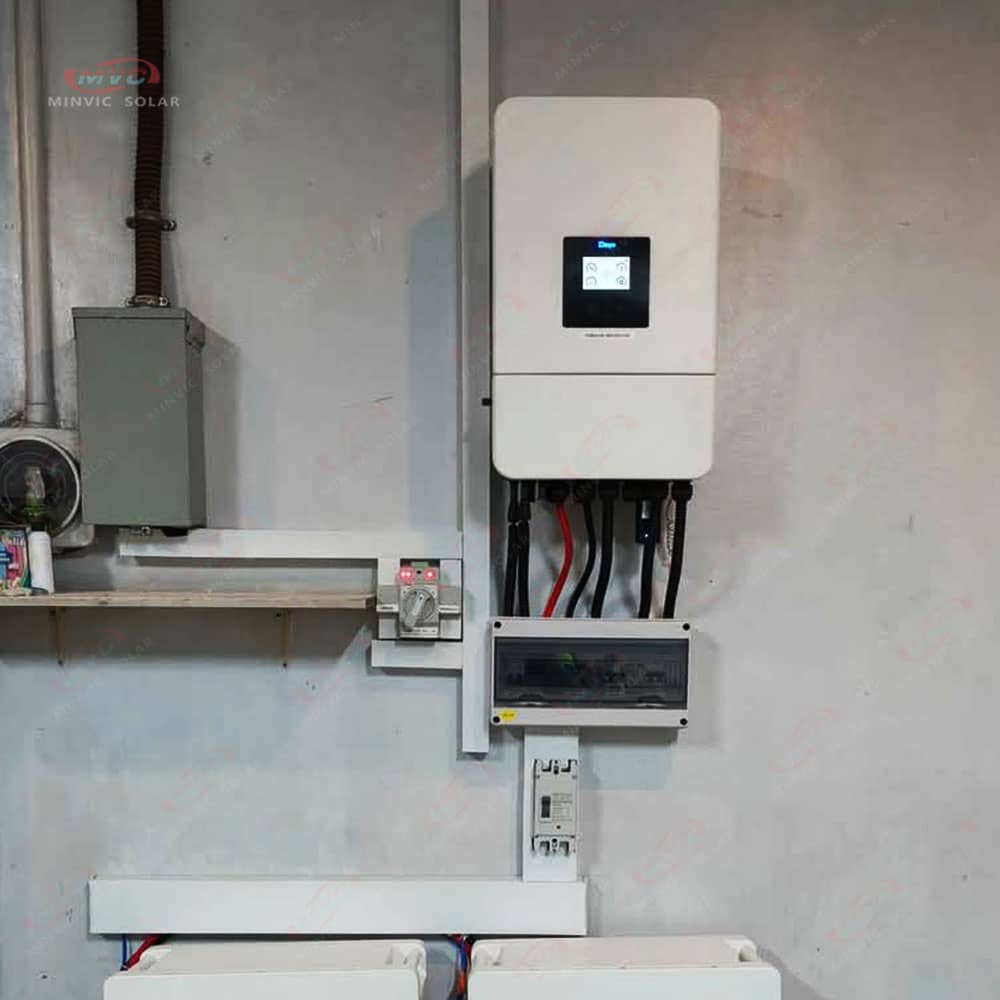
Typical Operating Modes of a Hybrid Solar Inverter Without a Battery
1. Grid-Tied Operation (Solar + Grid, Without Battery Storage)
When a hybrid solar inverter is installed without a battery, it can operate in a grid-connected configuration, provided the inverter supports battery-free operation.
During daylight hours, the solar panels generate DC electricity, which the hybrid inverter converts into AC power to meet the property's electricity demand. When solar production exceeds real-time consumption, the surplus electricity can be fed into the utility grid, subject to local grid regulations, export permissions, and metering requirements.
When PV generation decreases due to poor weather, insufficient sunlight, or nighttime conditions, the system automatically supplements the electricity supply with power from the grid. This allows household or commercial loads to remain powered without requiring battery storage.
Under this operating mode, the hybrid inverter functions similarly to a conventional grid-tied solar inverter. However, an important limitation is its response to grid outages. Most battery-less hybrid inverter systems will automatically disconnect when the utility grid fails due to anti-islanding protection. Without battery storage or another supported backup power source, they generally cannot maintain an independent electricity supply during a blackout.
2. Solar-Only Backup Operation (Available on Selected Hybrid Inverter Models)
Beyond standard grid-connected operation, certain advanced hybrid solar inverters support a PV-only backup function. This allows the inverter to supply selected electrical loads directly from solar panels, even when neither grid electricity nor battery storage is available.
In this configuration, the inverter draws energy from the PV array and provides AC power to a designated backup output or circuit. However, this capability is model-specific and should not be assumed to be available on every hybrid inverter.
There are also several operational constraints to consider. First, the inverter's available starting power and surge capacity may be limited, making it difficult to operate high-power appliances or equipment with large motor-starting currents, such as air conditioners, pumps, and compressors.
Second, solar-only backup relies entirely on real-time PV generation. Changes in sunlight intensity, particularly when clouds pass over the solar panels, can cause fluctuations in power output. If solar generation falls below the connected load demand, the inverter may reduce its output, trigger protective shutdowns, or restart when sufficient PV power becomes available.
As a result, PV-only backup is generally more suitable for low-power essential loads, including LED lighting, communication equipment, and small electronic devices. Although this feature provides additional flexibility, it should not be considered an equivalent replacement for a battery-based backup system, which offers more stable and reliable power during grid interruptions.
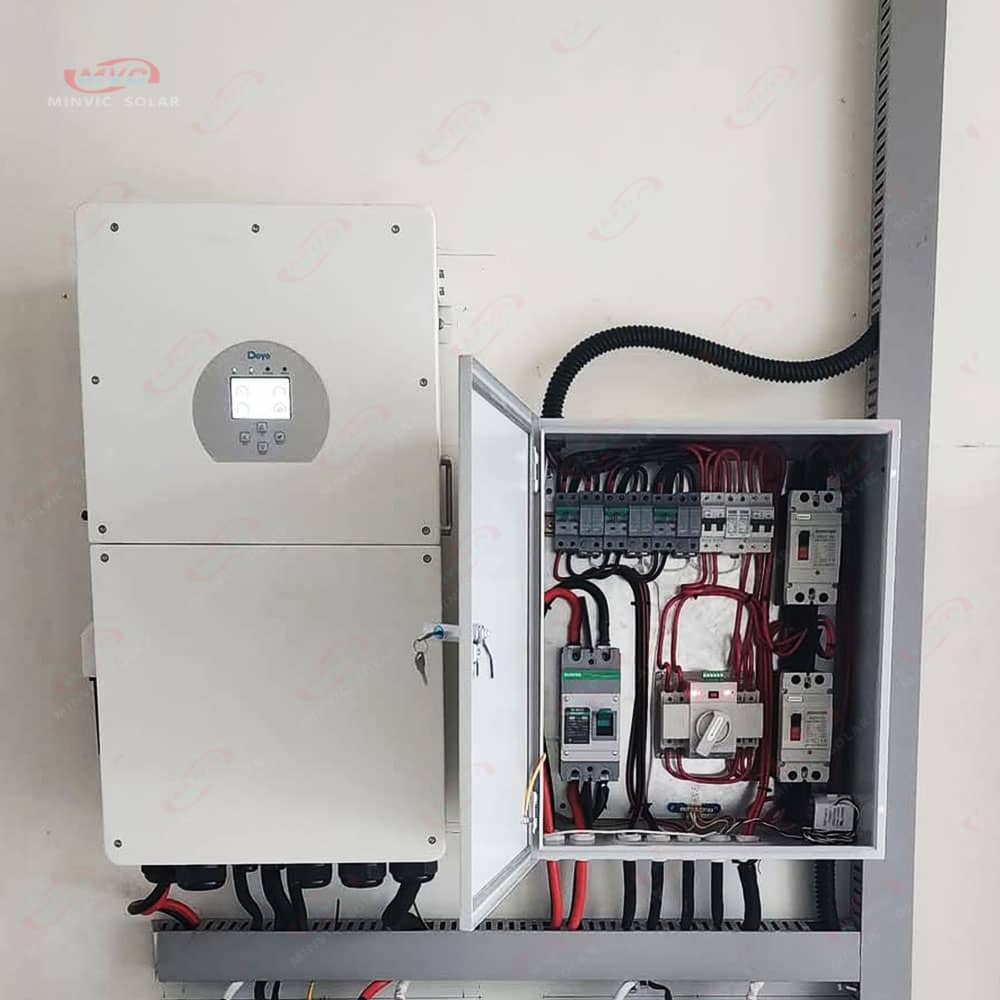
Pros and Cons of Using a Hybrid Inverter with Solar Panels Only
1. Advantages of a Battery-Free Hybrid Solar Inverter System
Flexible Investment and Future Battery Integration
Installing a hybrid solar inverter without a battery allows homeowners and businesses to benefit from solar energy without making an immediate investment in energy storage. Unlike a traditional solar inverter that may require replacement when upgrading to a hybrid system, a compatible hybrid inverter can support battery integration at a later stage.
This approach makes it easier to manage installation costs over time. Users can install solar panels first and consider adding a battery storage system when battery prices become more competitive, government incentives become available, or electricity consumption patterns create a greater demand for backup power.
Advanced Functions Compared with Standard Grid-Tied Inverters
Even without battery storage, a hybrid inverter generally provides more advanced system management capabilities than a conventional grid-tied string inverter. Depending on the model, these functions may include dedicated backup-load connections, intelligent load management, energy monitoring, and communication interfaces for smart home or energy management systems.
These capabilities provide greater visibility into solar energy production and electricity consumption. Although some advanced functions become more useful after battery installation, users can still benefit from improved system monitoring and energy management from the beginning.
Scalable System Design and Future Expansion
A hybrid solar inverter can serve as the central control unit of a residential or small commercial solar energy system. Its flexible architecture makes it easier to expand the installation as electricity demand, project requirements, or investment budgets change.
Depending on inverter compatibility, users can integrate lithium battery storage, connect a backup generator, or incorporate additional energy management equipment in the future. This modular approach helps avoid unnecessary system replacements and supports a gradual transition from a basic solar-only installation to a more comprehensive hybrid energy storage solution.
For property owners planning long-term energy upgrades, choosing a hybrid inverter provides greater flexibility and expansion potential than purchasing a system designed exclusively for grid-connected solar generation.
2. Disadvantages of Using a Hybrid Inverter Without a Battery
Higher Initial Cost
A hybrid inverter typically costs more than a standard grid-tied inverter with the same power rating due to its additional energy management and battery integration capabilities. If you have no plans to install battery storage in the future, choosing a conventional grid-tied inverter may be a more cost-effective solution.
Underused Smart Features
Without a battery, many advanced hybrid inverter functions, such as battery management, charge and discharge scheduling, and backup power control, cannot be fully utilized. Although basic solar monitoring remains available, much of the inverter's additional functionality may go unused in a solar-only configuration.
Limited Backup Power During Outages
A hybrid inverter does not automatically guarantee backup power when the grid fails. Most battery-free models will shut down during a power outage due to anti-islanding protection. Only selected models support PV-only backup, and their output depends on sunlight availability and connected load requirements. Always check the manufacturer's datasheet to confirm battery-free backup capabilities before purchasing.
When Is a Hybrid Inverter Without a Battery Not the Best Choice?
A hybrid inverter without battery storage may not be the most economical option for every solar project. If your priority is minimizing installation costs and you have no plans to add battery storage or backup power in the future, a conventional grid-tied inverter may be a better investment.
This is particularly relevant for budget-focused solar installations where the primary objective is maximizing electricity generation and achieving a lower Levelized Cost of Energy (LCOE). When battery storage and backup functions are not required, the additional cost of a hybrid inverter may offer little practical benefit.
Conclusion
Using a hybrid inverter with solar panels only offers a flexible way to start a solar energy system without investing in batteries immediately. It provides access to solar power, essential energy monitoring, and the option to integrate battery storage later.
Many users initially operate their hybrid inverters in grid-tied mode and add batteries when energy storage becomes more affordable or backup power becomes a priority. This approach helps balance upfront investment with long-term energy needs.