

Solar Panel Installation Process — A Step-by-Step Guide
What Is Involved in a Solar Panel Installation Process?
Our sales team has found that many customers have questions about solar panel installation. They also have concerns about after-sales service. Therefore, we created a dedicated FAQ in our news section. It answers your questions about solar power generation.
This is the first chapter: What are the steps involved in the solar panel installation process? We hope this article will resolve your confusion.
Solar panel installation follows a clear process. It has several stages. These include an energy assessment and system planning.
Then the system installs. Finally, we test it. Understanding each step helps homeowners better prepare for a successful solar energy system deployment.
1. Assessment of Energy Needs
Start by evaluating the household’s electricity consumption, energy requirements, and future power needs. This assessment helps choose the right solar system size, panel capacity, and storage needs. It ensures the system can meet daily electricity demands.
2. Solar System Design and Planning
Based on the energy assessment and installation conditions, a customized solar system design is created. The design process considers roof structure, sunlight exposure, and available installation space. It also considers solar panel orientation and overall energy goals to maximize system performance.
3. Permits and Regulatory Approval
Before installation begins, the required permits and approvals should be obtained according to local regulations and grid connection requirements. The installer or local solar contractor is usually responsible for making sure the project meets electrical and safety standards.
4.Solar Panel Mounting
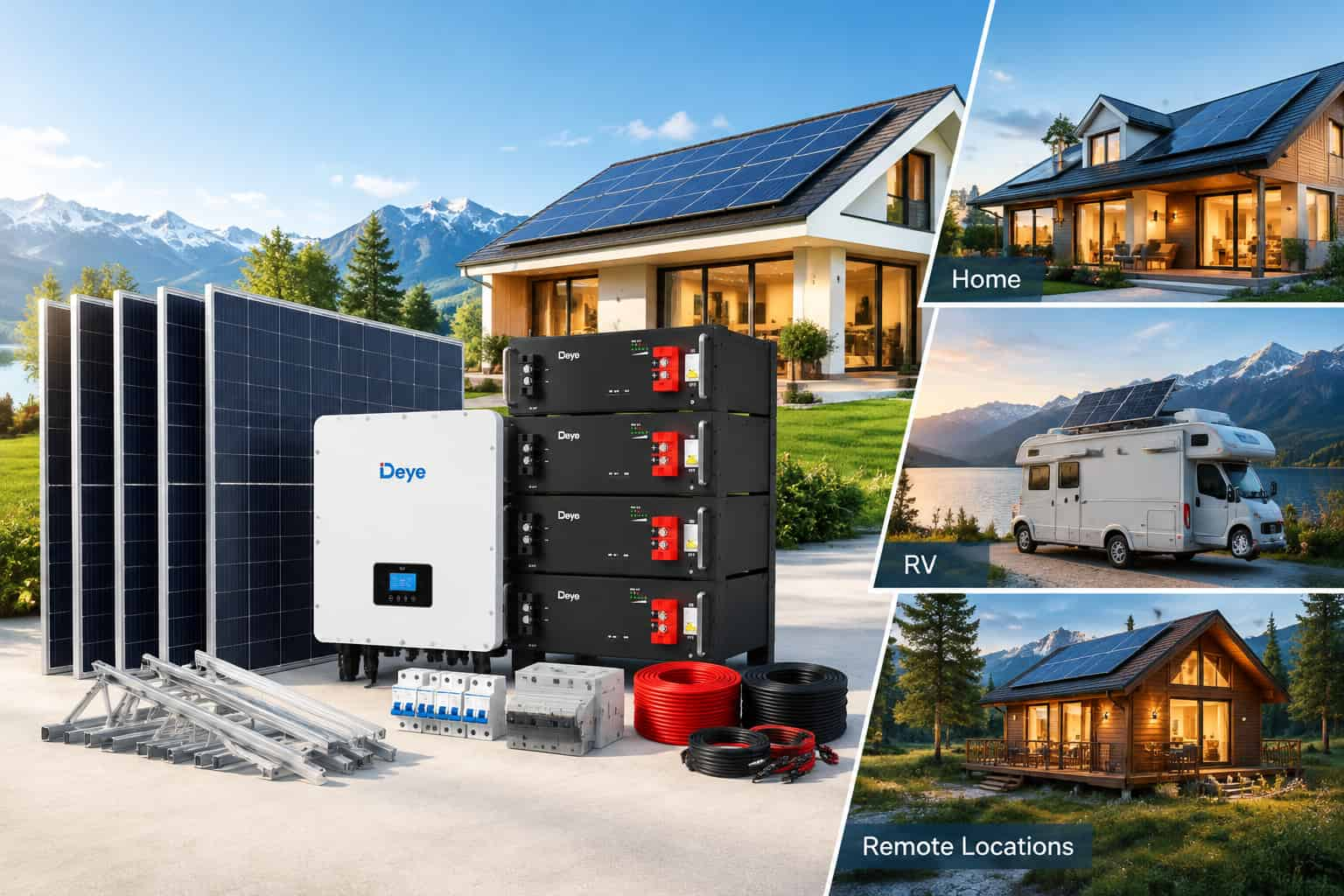
During installation, professionals securely mount solar panels on the roof or a designated area using professional mounting structures. Proper positioning and alignment help optimize sunlight exposure and improve overall energy generation efficiency.
5. Electrical Wiring and System Connection
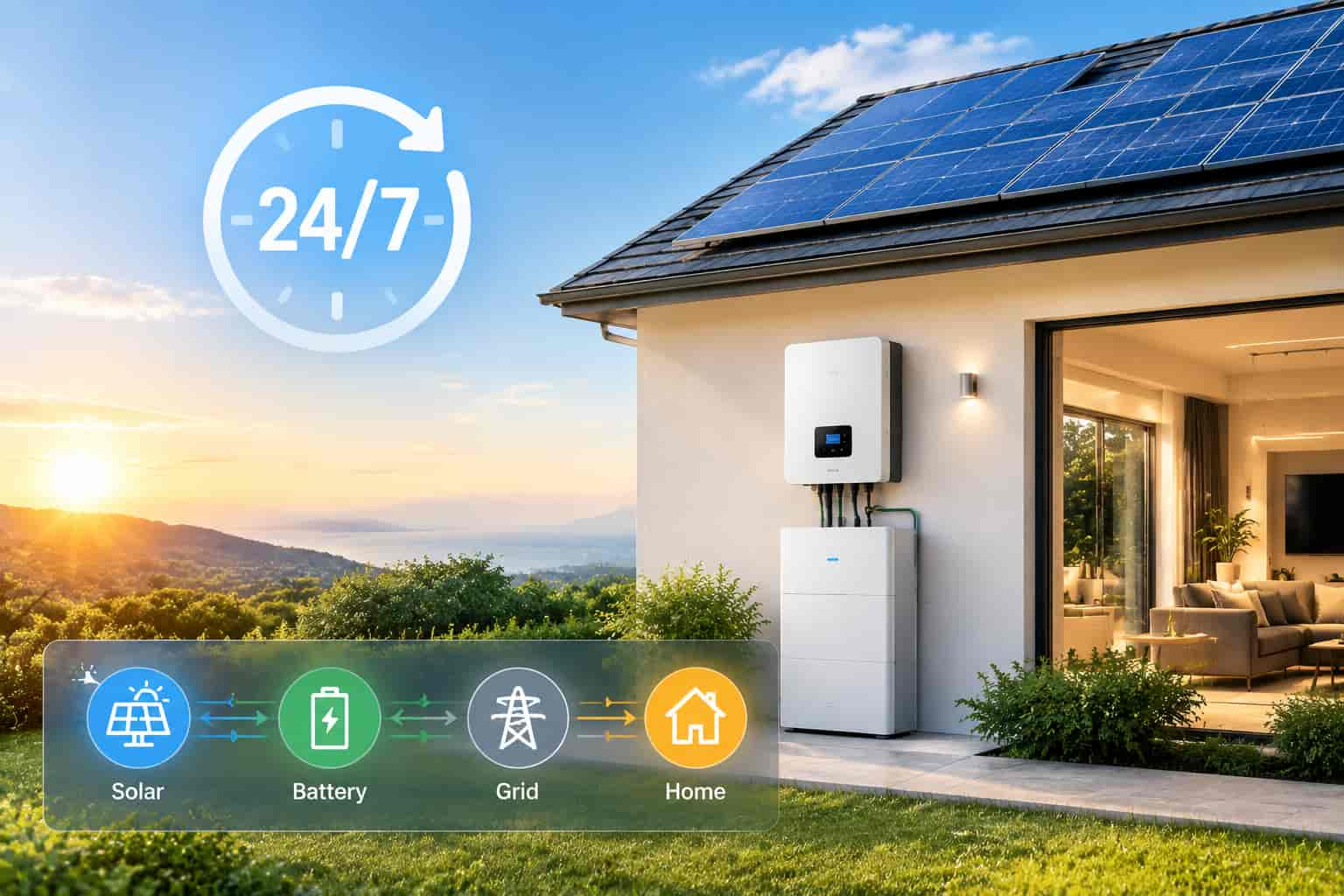
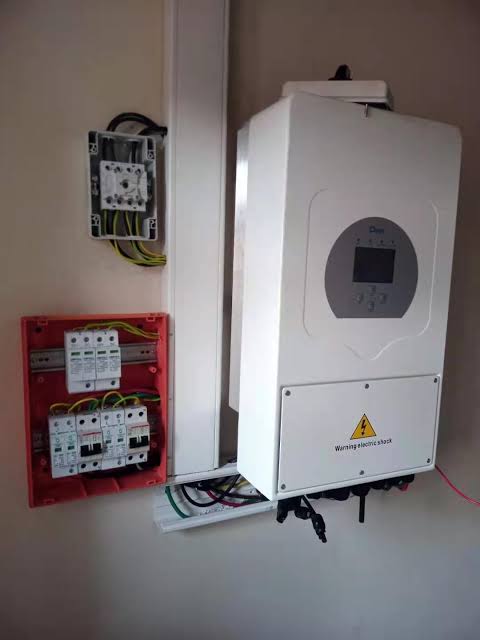
The solar panels connect to the main system parts. These include the inverter. They also include battery storage (if used).
They connect to the home electrical network. Professional electricians ensure that all wiring, protection devices, and connections comply with electrical safety standards.
6. System Testing and Commissioning
After installation is completed, the solar system undergoes comprehensive testing and commissioning. The installer checks solar panels, inverters, batteries, and monitoring systems. This ensures the full system runs safely and efficiently.
Conclusion
A successful solar panel installation requires proper planning, suitable equipment selection, professional installation, and system testing. By learning the full installation process, homeowners can better plan their solar projects and ensure reliable long-term performance.
Coming Next: How Do Solar Panels Handle Extreme Weather?
Extreme weather conditions are one of the most common concerns for solar system owners. In our next FAQ chapter, we will explain how solar panels handle harsh conditions.
We will also cover maintenance steps that can help them last longer. From weather protection to routine care, this guide offers practical tips.
It will help you keep your solar energy system running efficiently for years.